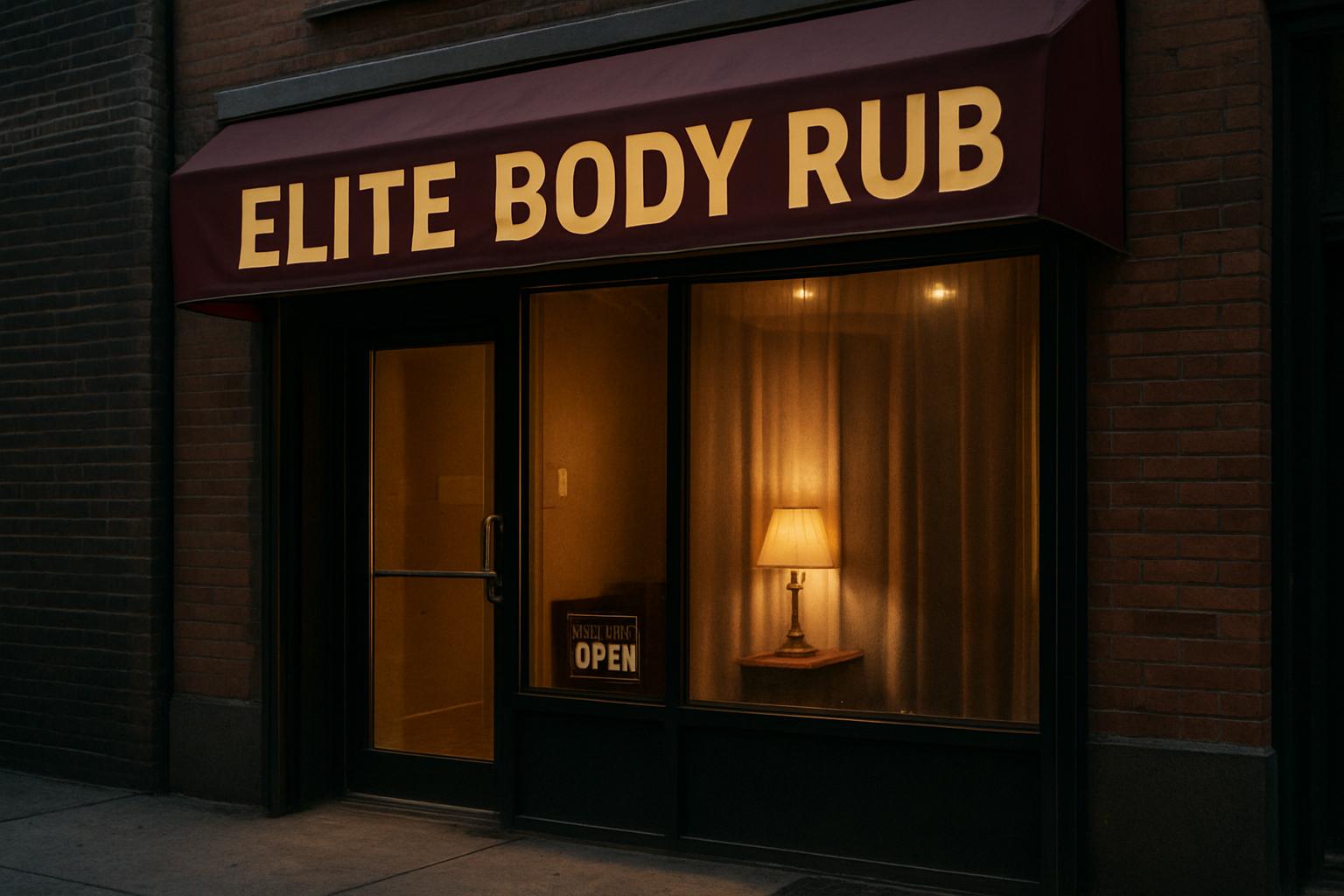

Step off a crowded New York sidewalk and into a dimly lit suite where a soft bell sounds and the city’s static falls away. That’s the promise behind searches for elite body rub NYC—an encounter that blends skilled touch, privacy, and a sense of being cared for. But behind the glossy photos and glowing reviews are real distinctions: therapeutic expertise versus ambiguous advertising, licensed clinics versus unregulated rooms, and experiences that restore versus those that disappoint. This article walks you through what “elite” really means in this context, how to find reputable places, what to expect, and how to get the most restorative outcome without compromising safety or peace of mind.
What People Mean by “Elite Body Rub”
The phrase has two parts: “elite,” which suggests high-end, curated, and professional service; and “body rub,” a colloquial term that can range from clinical massage to sensual touch. In Manhattan, elite usually indicates a spa or private studio that emphasizes licensed therapists, refined surroundings, meticulous hygiene, and personalized treatments. It does not, in reputable establishments, imply anything sexual or illicit. Understanding the language helps you ask the right questions and avoid uncomfortable surprises.
From Hotel Spas to Boutique Studios
New York’s upper-tier options are varied. Luxury hotel spas offer consistent standards: trained teams, multiple treatment rooms, and robust amenities like steam rooms and relaxation lounges. Boutique studios trade scale for specialization—one therapist, bespoke rituals, and an intimate atmosphere. Both can deliver an “elite” experience, but the feel and price point differ markedly.
A Short Story: A Single Afternoon That Reframes Expectations
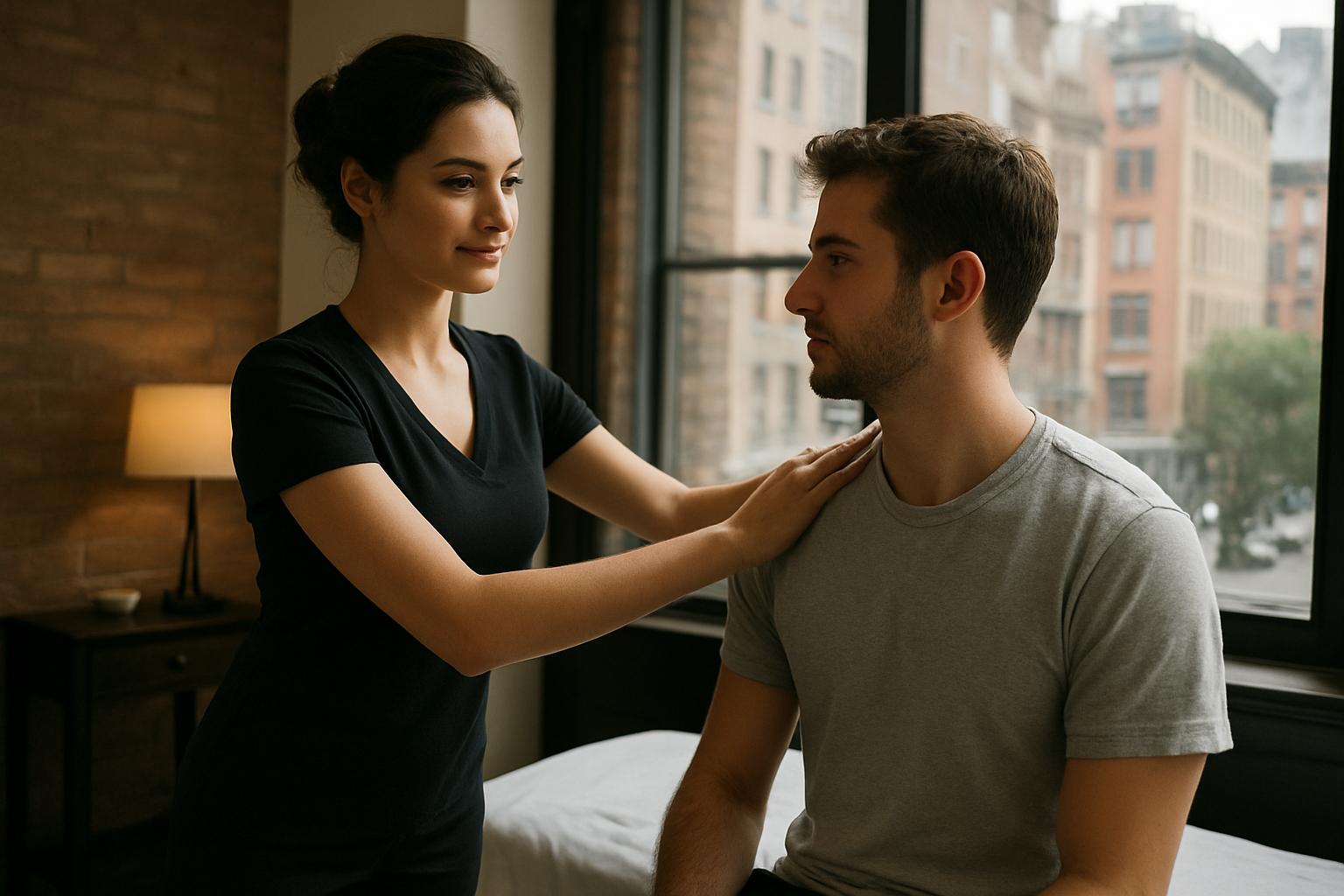
Imagine Sarah, a busy editor who booked a late-afternoon session after a week of back-to-back meetings. She chose a small studio tucked into a West Village brownstone after reading patient reviews and confirming the therapist’s license. The suite smelled faintly of citrus. The therapist asked about injuries, adjusted pressure with a single question, and focused on breath and slow strokes instead of rushing through a set sequence. Sarah walked out feeling less like she had been “rubbed” and more like she had been reset. That sense of intention—attention to medical history, clear communication, and respectful boundaries—is what makes a service elite.
Types of Treatments You’re Likely to Encounter
In the high-end New York market, services are presented with clarity. Here are common offerings and their intended benefits.
| Service | Typical Duration | Primary Benefits | Who It’s Best For |
|---|---|---|---|
| Swedish Massage | 50–90 minutes | Relaxation, improved circulation, stress reduction | Beginners, travelers, general tension |
| Deep Tissue | 50–90 minutes | Release chronic muscle tension, targeted pain relief | Active people, chronic stiffness |
| Sports Massage | 30–90 minutes | Performance prep/recovery, mobility work | Athletes, frequent gym-goers |
| Myofascial Release | 50–80 minutes | Reduce scar tissue adhesion, improve range of motion | Post-injury clients, chronic pain sufferers |
| Signature Rituals | 60–120 minutes | Combined modalities, aromatherapy, and relaxation sequences | Those seeking a pampering, holistic experience |
How to Find a Reputable Provider
Because language can blur intent, do a little homework. Reputable providers in NYC typically share the following traits:
- Licensed therapists (look for state or national credentials listed on the website).
- Clear service descriptions that explain pressure, clothing protocols, and what is included in the session.
- Transparent pricing and cancellation policies.
- Professional booking systems and written intake forms that address medical history.
- Third-party reviews that reference specific therapists and details rather than vague praise.
A Practical Vetting Checklist
Before booking, run through these quick checks:
- Call and ask about licensing and sanitation practices.
- Confirm room privacy and whether treatments are solo or shared.
- Ask how therapists handle sensitive requests and what constitutes inappropriate behavior.
- Look for red flags: pressure to pay cash off the books, vague location details, or refusal to document services.
Pricing: What “Elite” Costs in NYC
Expect to pay more in Manhattan than in suburban areas. Hourly rates for high-end therapeutic sessions commonly range from $150 to $300 per hour, with signature rituals sometimes exceeding that. Package deals, memberships, and hotel partnerships offer different value propositions. Remember: higher price does not always equal higher quality; it often reflects location, ambiance, and brand prestige. The smartest indicator of value is consistent, specific client feedback.
Etiquette, Preparation, and What to Bring
To get the most from your session, prepare simply and respectfully. Arrive slightly early to complete intake forms. Wear what you’re comfortable with—therapists will explain draping for privacy. Avoid heavy meals or alcohol beforehand. Communicate about pain thresholds, injuries, and sensitivity to scents. If you prefer silence or conversation, say so up front. A considerate approach keeps the focus on healing.
Arrival Checklist
- Photo ID and any required booking confirmation.
- List of medications or recent injuries (if relevant).
- Comfortable clothing for after the treatment.
- Card or digital payment method—most places accept cards; some prefer contactless payments.
Safety and Legal Considerations
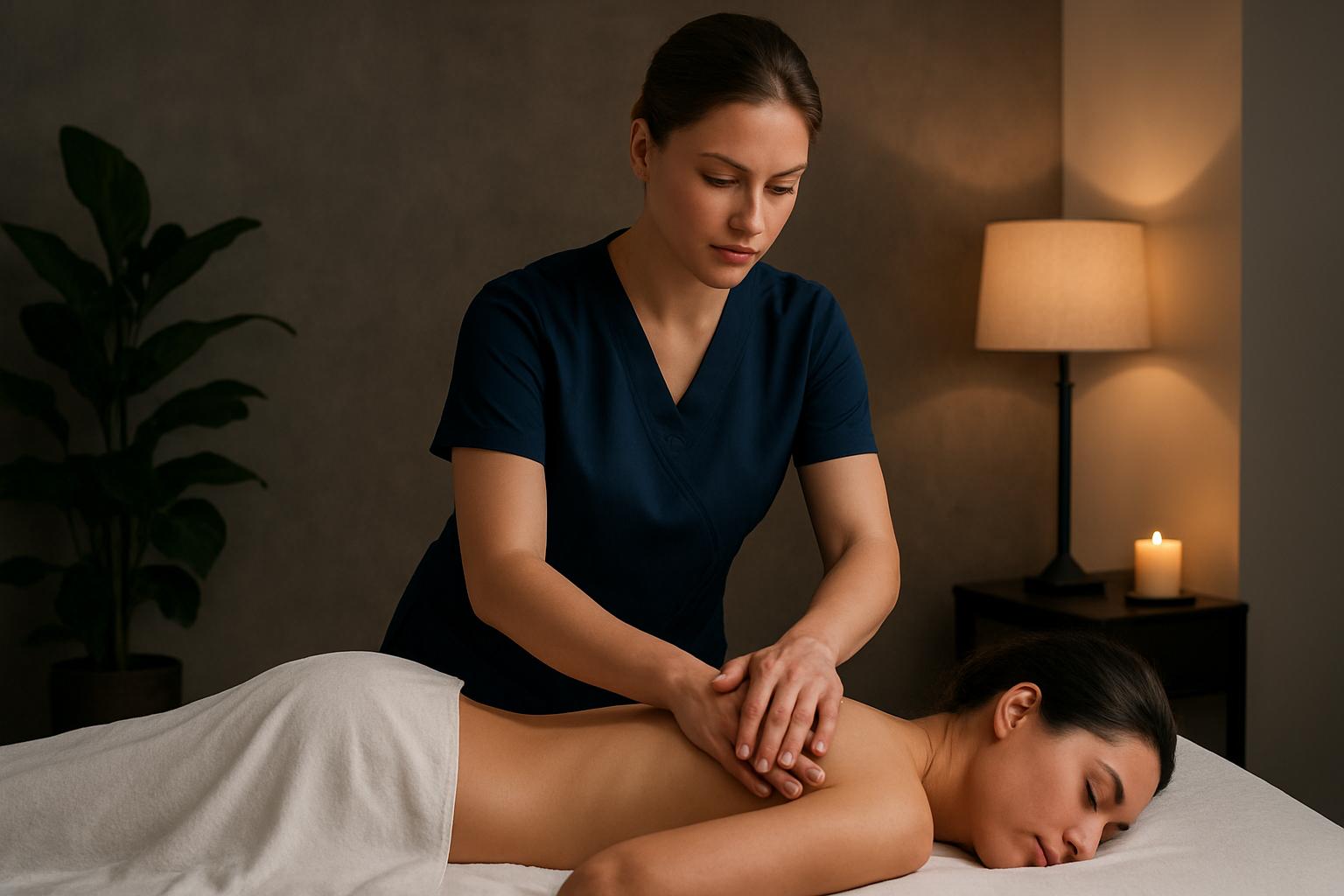
In New York State, massage therapy is a regulated profession. Licensed practitioners must meet educational and exam requirements. Clinics may also be subject to zoning and business licensing. If an establishment avoids discussing credentials or targets sexual language, it’s safer to walk away. Use city resources to verify business licenses, and report suspicious or illegal activity to local authorities—your report helps protect other people seeking legitimate wellness services.
Maximizing Benefits After the Session
Aftercare is part of the experience. Hydrate well, rest, and take a warm shower to rinse oils and soothe tissues. Gentle stretching can extend mobility gains. If soreness appears after a deep session, treat it like a workout: hydration, light movement, and heat help. If pain persists or worsens, contact your therapist or a medical professional.
Comparing Options: Quick Reference
- Hotel Spa: Consistent standards, more amenities, higher price tag.
- Boutique Studio: Personalized care, intimate atmosphere, potentially easier to build rapport with one therapist.
- Medical Massage Clinic: Focus on rehabilitation and pain management, often integrated with physical therapy.
- Wellness Center: Holistic offerings—acupuncture, chiropractor, and massage under one roof.
Signs of a Truly Elite Experience
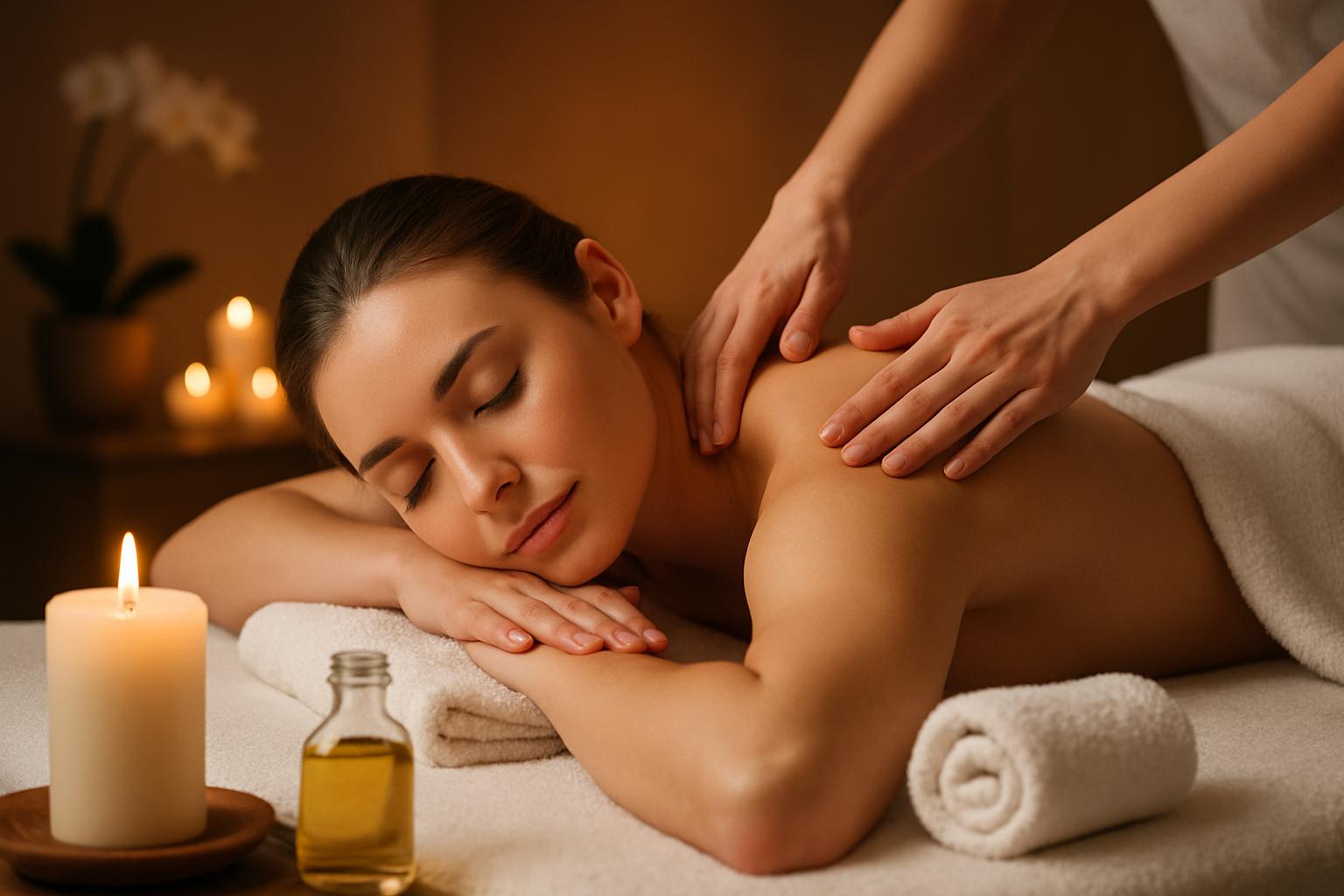
- In-depth intake that mentions medical history and goals.
- Therapists who modify approaches rather than insisting on a fixed routine.
- Clean, calm environment and polite, professional staff.
- Reasonable pacing—no rushing, with time for pre- and post-treatment consultation.
Final Thoughts on Choosing Your Experience
Elite body rub NYC isn’t a single service; it’s an approach: professional training, thoughtful communication, and an environment designed for restoration. Your comfort matters as much as technique. When you prioritize licenses, transparent communication, and clear boundaries, you’re not just buying a treatment—you’re investing in an experience that can reset your nervous system and leave the city outside feeling a little more manageable.
Conclusion
Searching for an elite body rub in NYC should start and end with safety, clarity, and respect—for your body and the practitioners you choose; by prioritizing licensed therapists, reading detailed reviews, asking concrete questions about services, and paying attention to red flags, you’ll find high-end options that deliver genuine therapeutic value rather than mere marketing, and leave the city’s frenetic pace behind for an hour or two of deliberate repair and calm.