
What people mean when they say “bodyrubs” in Toronto
Ask ten people on Queen Street or in a Parkdale salon and you’ll get variations on the same idea: “bodyrub” is a broad, catch-all phrase for hands-on treatments that range from formal physiotherapy-style care to simple, soothing massages at a neighborhood parlour. In Toronto the term sits at the intersection of health, relaxation, entrepreneurship and — sometimes — legal ambiguity. That makes clear thinking useful: what do you want, who is qualified to give it, and where does the service take place?
A short history and the city’s cultural context
Toronto’s massage scene grew with waves of immigration, entrepreneurs opening small clinics, and municipal pressures that reshaped where and how services are offered. Over time, professional associations pressed for standardized training and licensure, while storefront spas, day spas and independent therapists expanded the idea of touch as both a wellness tool and a business. That mix of regulated therapy and independent massage businesses creates variety — and a need for customers to discriminate among providers.
Why the distinction matters
Touch is powerful. A licensed massage therapist (RMT) focuses on anatomy, pain reduction and rehabilitation; a spa therapist emphasizes relaxation and ambience; other establishments may offer informal “bodyrubs” that fall outside formal regulation. Knowing the difference helps you set expectations and keeps both wellness and safety front of mind.
Types of bodyrub services you’ll encounter
The language used by businesses can be slippery. Below are common categories and what they typically mean in Toronto.
- Registered Massage Therapists (RMTs) — Trained, often clinic-based, regulated by provincial standards and usually eligible for insurance reimbursement.
- Day spas and hotel spas — Focus on relaxation, aromatic oils, and a curated environment; therapists may or may not be RMTs.
- Independent/sole practitioners — Can be RMTs or self-taught operators working out of small studios or private homes.
- Bodyrub parlours — A catch-all for small storefronts offering various treatments; quality and regulation vary widely.
- Mobile therapists — Travel to a client’s home or hotel; convenient, but check credentials and insurance.
What each type usually offers
Therapeutic sessions emphasize assessment, targeted techniques (like myofascial release or trigger point work), and follow-up advice. Spa sessions prioritize atmosphere, with longer warm-up and relaxation phases. Other parlours may offer shorter, lower-cost sessions focused on general relaxation. The difference will show in training, session structure, and pricing.
Legal and regulatory landscape in Ontario
Regulation in Ontario splits across provincial bodies, municipal bylaws and federal law. The College of Massage Therapists of Ontario (CMTO) governs RMTs — you can verify registration and complaints through their public register. Municipal licensing and bylaws control commercial zoning, signage and business permits in Toronto. National laws affect activities that cross into sexual services; those laws and enforcement priorities can influence how some businesses advertise or operate.
Practical implications
Always check a provider’s credentials if you want clinical care. If a clinic claims to be an RMT practice, verify the therapist’s registration. For spa-style relaxation, inspect the environment and ask about training. When a service blurs into areas you didn’t expect, be cautious; businesses that obscure pricing, payment methods, or staff credentials are worth avoiding.
How to choose a reputable provider
Choosing well reduces risk and improves outcomes. Start with these steps:
- Decide whether you need therapeutic care (an RMT) or a relaxation-focused massage.
- Verify registration for RMTs via the CMTO public register.
- Read recent reviews on neutral platforms (Google, Yelp) and watch for consistent praise or recurring complaints.
- Check the premises: clean, professional, and with clear pricing and written policies.
- Ask about training, insurance, and cancellation policies before booking.
Questions to ask before your appointment
“Are you registered with the CMTO?” “What techniques do you use?” “Is there extra time for intake?” These simple questions reveal professionalism more often than polished marketing language.
Comparing common provider types
| Provider | Typical training | Typical setting | Insurance | Price (approx.) | Best for |
|---|---|---|---|---|---|
| Registered Massage Therapist (RMT) | Formal accredited program, registration with CMTO | Clinical offices, physiotherapy clinics | Often covered by extended health plans | $80–150+ per hour | Injury, chronic pain, rehab |
| Spa/hotel therapist | Varied — company training, certificates | Spa environments, hotels | Rarely covered | $70–160 | Relaxation, pampering |
| Bodyrub parlour | Varied; may not be regulated | Small storefronts, walk-in shops | Usually not covered | $50–120 | Quick, affordable relaxation |
| Mobile therapist | Varied; many are RMTs | Client homes, hotels | Depends on therapist | $90–180 (with travel fees) | Convenience, travel constraints |
What to expect during a visit
Arrival routines are straightforward: fill out a short intake form, discuss goals or pain points, and agree on pressure and draping before the therapist starts. RMTs will take a more clinical history and might perform assessments; spa therapists will emphasize relaxation cues and room ambience. Respectful communication about comfort, pressure and any health concerns improves the session for both of you.
Draping, consent and boundaries
Draping (covering the body with sheets) is standard practice. The therapist should explain what will be uncovered and why. Consent is ongoing — you can stop or alter the session at any time. If a therapist asks you to remove clothes beyond what the service requires, that’s a red flag.
Health, hygiene and COVID-era considerations
Hygiene is non-negotiable: clean linens, handwashing, and clear illness policies are essential. Since the pandemic, many clinics have added enhanced cleaning, screening questions and vaccination or masking policies; check the clinic’s current rules before booking. If you’re immunocompromised or recently ill, reschedule.
Red flags and how to stay safe
Be wary of these warning signs:
- Vague or evasive answers about credentials.
- Cash-only businesses that pressure for privacy.
- Advertisements or language promising sexual services.
- Pressure to extend sessions without written details.
- Unlabeled premises or lack of a professional website/contact information.
If you suspect illegal activity or exploitation, contact Toronto Police Service or local helplines; if you suspect trafficking, provincial and national anti-trafficking hotlines can advise on safe reporting.
Costs, tipping and etiquette
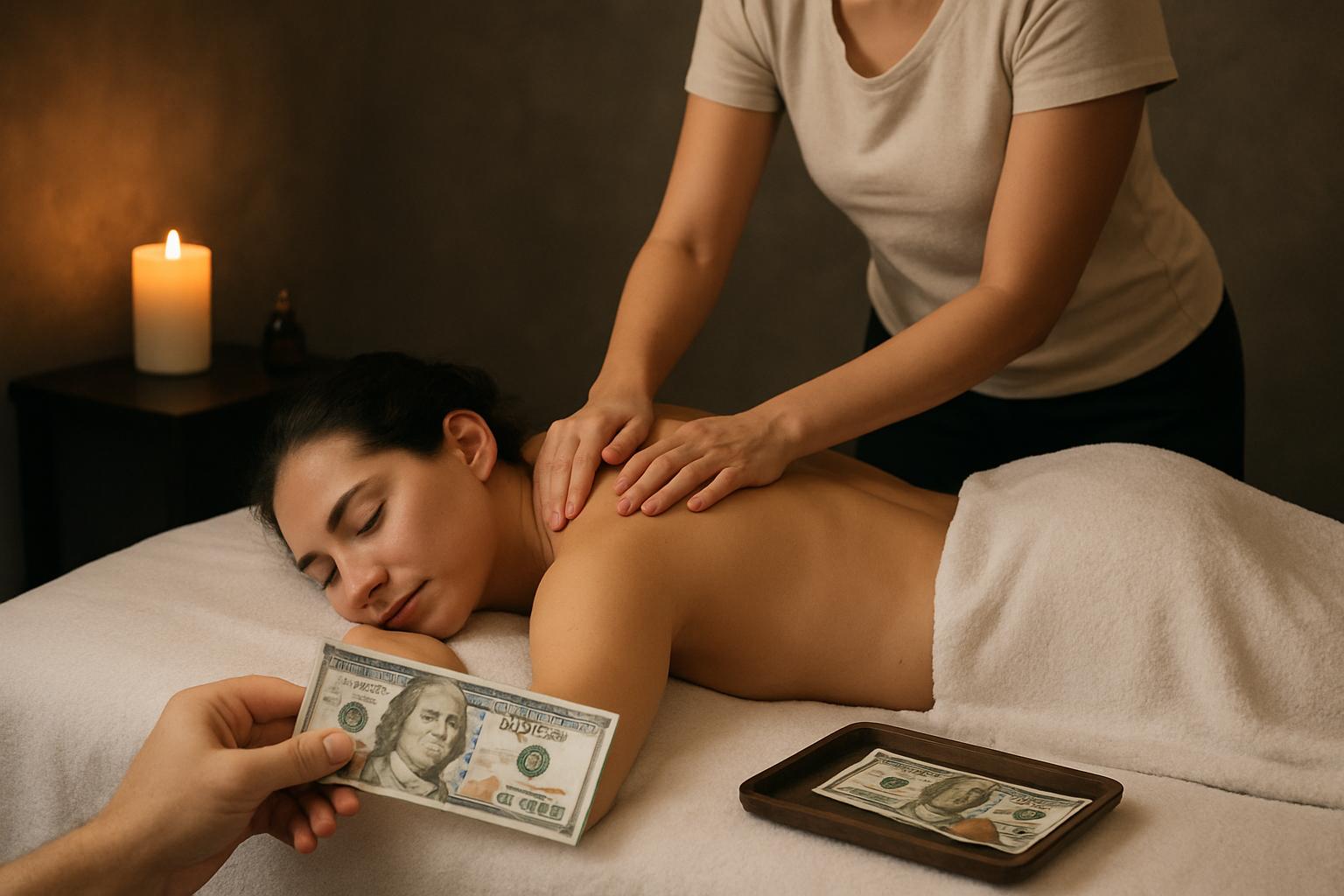
Rates vary by provider and location. Typical ranges are listed in the table above — urban centres and luxury spas push prices higher. Tips are common in spas and clinics (10–20% is a usual range), but check whether gratuities are already included. If a price sounds unusually low or a business asks you to sign blank receipts, walk away.
Where to search and how to read reviews
Start with registries for regulated therapists (CMTO for RMTs), then cross-check Google reviews and local recommendations. Forums and community groups can be helpful but treat single extreme reviews skeptically; look for patterns. Photos, clear staff bios, and transparent policies suggest a business that has nothing to hide.
Practical tips for getting the most from a session
Communicate your goals: pain relief, relaxation, or maintenance. Drink water before and after a session to aid circulation and recovery. If you’re seeking therapy for a condition, bring any referral notes or relevant medical history. For first-timers, shorter introductory sessions let you evaluate technique and comfort without committing to a lengthy appointment.
Final considerations: balancing comfort, health, and curiosity
Toronto’s bodyrub scene is as diverse as the city itself: from highly trained clinicians treating chronic pain to small, family-run parlours offering quick relief. Your best outcomes come from clear expectations, credential checks, and open communication. Keep safety, legality and personal comfort at the centre of your choices, and don’t hesitate to change providers if something feels off. The right session can be quietly transformative — reduced tension, better sleep, clearer movement — but getting that requires a little homework.
Conclusion
Whether you’re trying a bodyrub for the first time or you’re a seasoned client, knowledge and practical checks will steer you to the service that fits your needs: verify credentials when you want therapy, read reviews and visit the space when you want relaxation, watch for red flags, and prioritize clear communication and consent — Toronto offers many options, and the best choice is the one that leaves you safer, informed, and feeling better.