
Why this guide exists
Walk the streets of Manhattan at noon and you’ll see a neon galaxy of wellness signs: “Deep Tissue,” “Thai,” “Aromatherapy.” The phrase “NYC bodyrubs” shows up in conversations, listings, and search queries, but its meaning varies wildly depending on context. This guide cuts through the clutter. It tells the story of legitimate bodywork in New York City—what to expect, how to choose a reputable provider, practical etiquette, and how to protect your safety and wellbeing—without glamorizing or promoting illegal services.
Start with a story: one afternoon in a small Chelsea studio
On a rainy Thursday, Maya ducked into a modest studio near 10th Avenue. The receptionist handed a clipboard and a tea menu. Her therapist asked about a stubborn shoulder knot and an old running injury. The room was warm, the music gentle. Forty-five minutes later she walked back into the street feeling like she’d been unknotted—calmer, straighter, functional again. That experience illustrates what many people seek when they search for bodyrubs in NYC: practical relief, human touch, and a few minutes of pause in a city that rarely stops.
Understanding terms: bodyrub, massage, and bodywork
What people mean
“Bodyrub” is an umbrella term. For many it simply means a massage or therapeutic touch involving muscles, fascia, and soft tissues. For others, the phrase can be ambiguous and sometimes misused to describe sexual services. In the context of health and wellness, think “bodywork” or “massage therapy.” Those terms point to licensed practices, clinical techniques, and physical benefits rooted in anatomy and training.
Common types of legitimate bodywork
Different modalities address different needs—relaxation, injury recovery, flexibility, or stress reduction. A few common examples include:
- Swedish massage: general relaxation, long strokes, light to moderate pressure.
- Deep tissue: focused work on deep muscle layers to release chronic tension.
- Sports massage: targeted for athletes—pre-event, post-event, or recovery work.
- Trigger point therapy: concentrated pressure on tight points that refer pain elsewhere.
- Myofascial release: gentle sustained pressure to free up tight fascia and improve mobility.
How to find reputable NYC bodyrubs and therapists
Where to look
Begin with established resources: professional associations, licensed clinic websites, and platforms that verify credentials. Word-of-mouth and local community groups are also valuable. Avoid relying solely on anonymous listings or sites that obscure business addresses and licensing information.
Checklist for vetting a provider

- Visible credentials: state license or certification, listed education and hours of training.
- Clear service menu that describes techniques, duration, and pricing.
- Transparent booking process and written intake forms to outline health history and goals.
- Clean, private treatment rooms with appropriate draping and professional standards.
- Online reviews from multiple sources; beware of patterns that hint at non-therapeutic services.
What to expect during a session
Before the massage
A good therapist asks about your medical history, pain points, medications, and any sensory preferences. You’ll receive information on clothing options and draping. Consent is central: therapists should explain what they’ll do and ask whether specific pressure levels or techniques are acceptable.
During the massage
Expect clear communication about what’s therapeutic versus what’s not. You should feel comfortable pausing or asking for a change. Professional therapists maintain boundaries, use massage oil or lotion appropriately, and focus on established therapeutic targets rather than anything sexual in nature.
Aftercare and follow-up
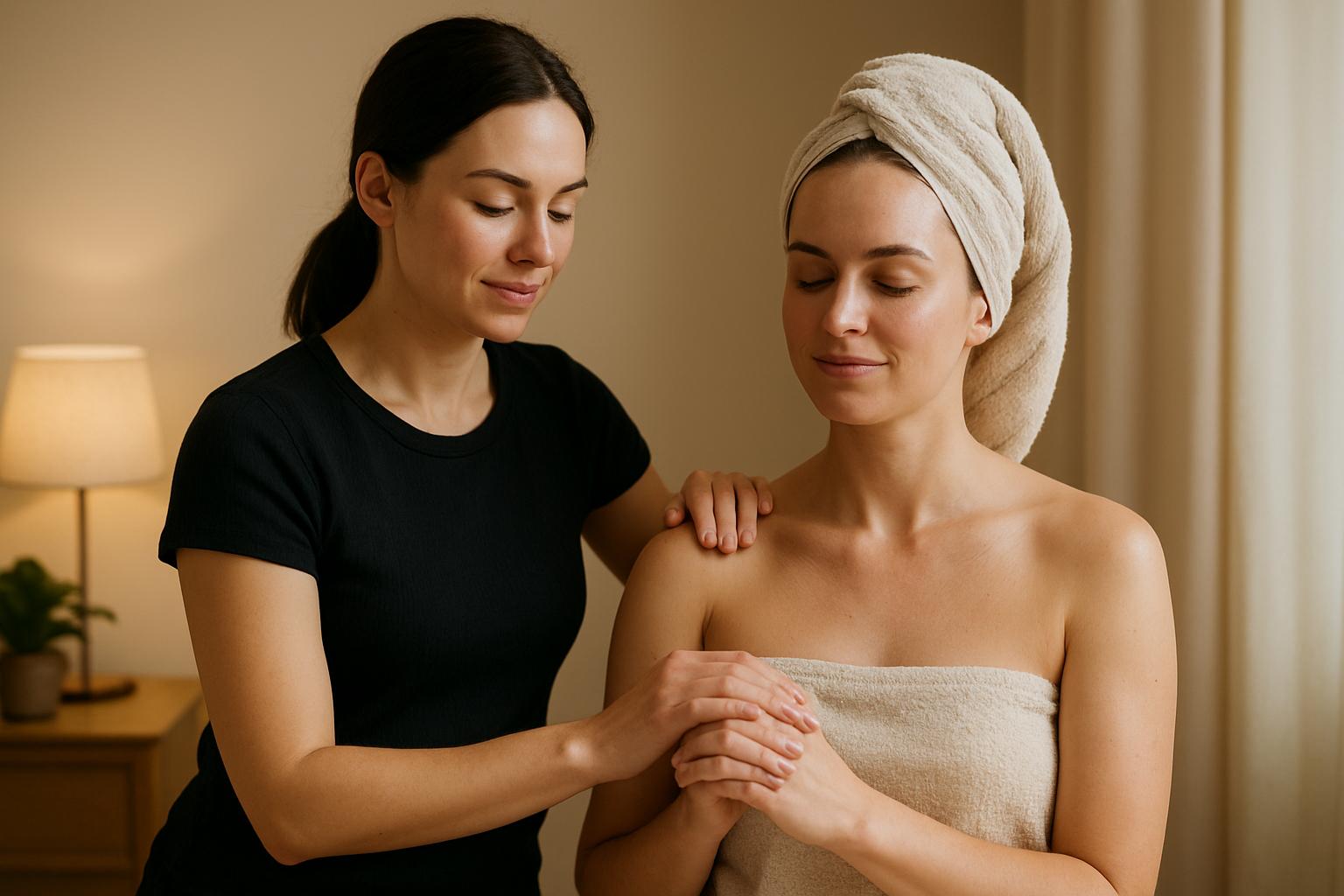
Many therapists provide tips—hydration, gentle stretching, and how to manage soreness. A good provider may suggest a follow-up schedule or refer you to a physical therapist if more specialized care is required.
Costs, tipping, and scheduling in NYC
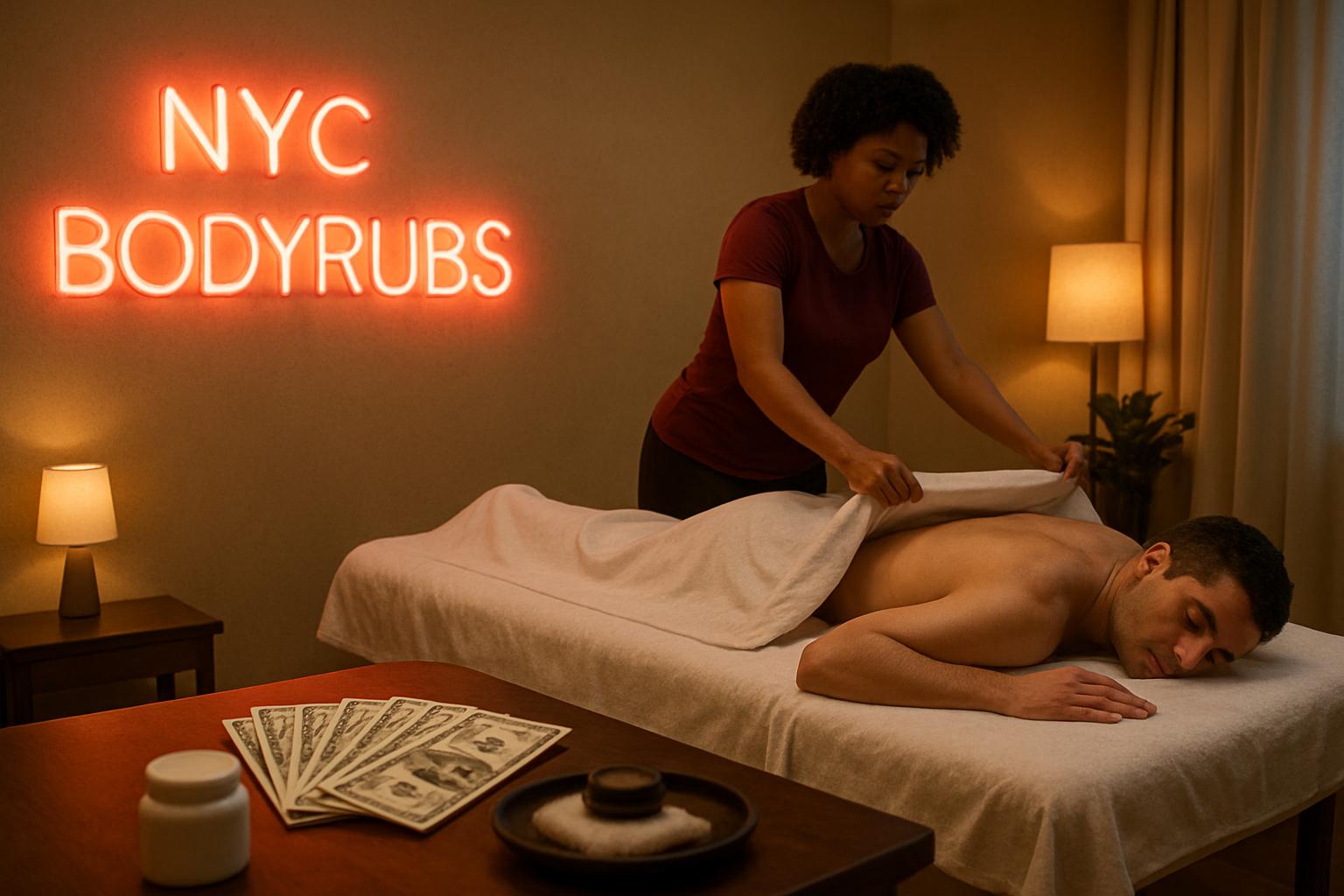
Pricing in New York City reflects rent, training, and demand. Below is a general guide; actual prices vary by neighborhood and practitioner experience.
| Service | Typical Duration | Typical NYC Price Range | When to Choose |
|---|---|---|---|
| Swedish / Relaxation | 30–90 minutes | $60–$150 | Stress relief, first-time massage |
| Deep tissue | 45–90 minutes | $80–$180 | Chronic tension, sports recovery |
| Sports / Therapeutic | 30–90 minutes | $70–$200 | Peak performance, rehab |
| Specialty modalities (Thai, Rolfing) | 60–120 minutes | $100–$250 | Structural work, deep mobility |
Tipping is customary in NYC—around 15–25% for in-person service—but policies vary for clinics and medical practices. When in doubt, ask the front desk. Bookings often require deposits, especially for high-demand therapists. Respect cancellation policies to keep relationships positive.
Safety, boundaries, and legal considerations
Know the signs of a reputable practice
- Clear, professional signage and a permanent address.
- Written intake forms and visible sanitation protocols.
- Staff who adhere to professional conduct and avoid sexual language or solicitations.
Red flags and when to walk away
- Ambiguous descriptions like “special” or “private” services that hint at sexual activity.
- Requests to remove full clothing beyond standard draping practices or to perform sexual acts.
- Prices that are unusually low compared to the neighborhood average or pressure to pay in cash without a receipt.
Legal context to keep in mind
Laws about massage, licensing, and adult services differ by state and city. In the context of NYC bodyrubs, prioritize providers who operate transparently within the law: licensed therapists, clearly posted business information, and clinical or spa environments. If you’re unsure about a business’s legitimacy, local licensing departments and professional directories can help verify credentials.
Health benefits and realistic expectations
Massage is not a miracle cure, but it offers measurable benefits: decreased muscle tension, temporary pain relief, reduced stress, and improved circulation. For chronic conditions, massage is often most effective as part of a wider plan that may include exercise, ergonomics, and medical care. Tailor expectations: some sessions offer immediate relief; others require regular visits for cumulative benefit.
DIY bodywork and at-home care
When a studio is out of reach, you can still practice sensible self-care. Simple strategies include:
- Foam rolling and gentle mobility work to manage tightness between sessions.
- Using a tennis ball or massage ball against a wall for trigger points.
- Heat, cold, and movement to complement any hands-on treatments.
For self-massage, focus on slow, controlled strokes and avoid aggressive pressure near joints or acute injuries. If pain increases, pause and consult a clinician.
When to see a medical professional
Seek medical evaluation if you have unexplained swelling, sharp joint pain, fever, or symptoms that worsen with touch. Therapists should advise when massage is contraindicated, such as during certain infections, recent surgeries, or uncontrolled blood pressure.
How the scene is changing
New York’s wellness landscape is evolving. Micro-spas, integrated health clinics, and licensed therapist collectives are appearing alongside large chains. Consumers are more informed: they want credentials, transparency, and ethical standards. That shift pushes the industry toward professionalism and away from the murky corners where legality and safety blur.
Quick resource list
- Look for therapists affiliated with national professional organizations for verified listings.
- Check clinic reviews from multiple platforms; prioritize detailed accounts over star ratings alone.
- Ask about therapist training and insurance—these are markers of serious, accountable practice.
Practical tips for your first NYC session
- Book a time that allows you to arrive relaxed—rushing defeats the purpose.
- Communicate your goals and comfort levels immediately and politely.
- Stay hydrated afterwards; your body works to flush metabolic byproducts from tissue work.
- Observe the space: cleanliness, staff behavior, and clear policies indicate professionalism.
Final thought
New York City offers a wide spectrum of bodywork options—from neighborhood massage rooms to highly specialized clinical practices. Prioritize safety, clarity, and professional credentials, and treat sessions as part of a broader self-care plan rather than a quick fix. With the right provider, a bodyrub can be a small but powerful reset: a few minutes of skilled touch that helps you move through the city—and your life—with a little more ease.
Conclusion: If you’re exploring NYC bodyrubs, seek out licensed therapists and transparent businesses, ask questions about training and hygiene, follow local laws and clinic policies, and choose practices that prioritize consent and professional boundaries—doing so will help you find effective, safe bodywork that enhances recovery and wellbeing without veering into illegal or unsafe territory.