
Introduction — a moment of curiosity
Walking past a window with frosted glass and a neon “massage” sign, you might notice a discreet line in an online ad and feel a jolt of curiosity: what does a happy ending massage service actually mean? That single phrase carries a lot of baggage—taboo, desire, legality, and uneven industry practices. This article peels back the layers without sensationalizing anything: a mix of stories, practical guidance, and the social realities that surround erotic services marketed under that name.
The phrase explained: what people usually mean
People use «happy ending» as a shorthand for a massage that includes a sexual service at the end. The meaning varies by context and by country—sometimes it’s an explicit arrangement, sometimes an implication encoded in euphemisms. Importantly, those seeking or offering these services operate within a patchwork of laws, norms, and safety concerns. A clear-eyed look at terminology helps remove myth and focus on consent, risk, and choice.
Common interpretations
- Commercial erotic services offered in addition to a massage.
- Euphemistic advertising using coded language to suggest something sexual.
- Private arrangements between consenting adults that may or may not be mediated by a commercial venue.
History and cultural context
Erotic touch has been part of human culture for millennia—in ritual, in medicine, and in commerce. In some eras and places, it was an accepted trade; in others, it became criminalized and driven underground. Modern language like «happy ending» rose in popularity alongside urban massage businesses and classified advertising. Understanding that history helps explain why the topic is fraught: stigma, moral panics, and public health campaigns all shaped how societies respond.
How perception differs across societies
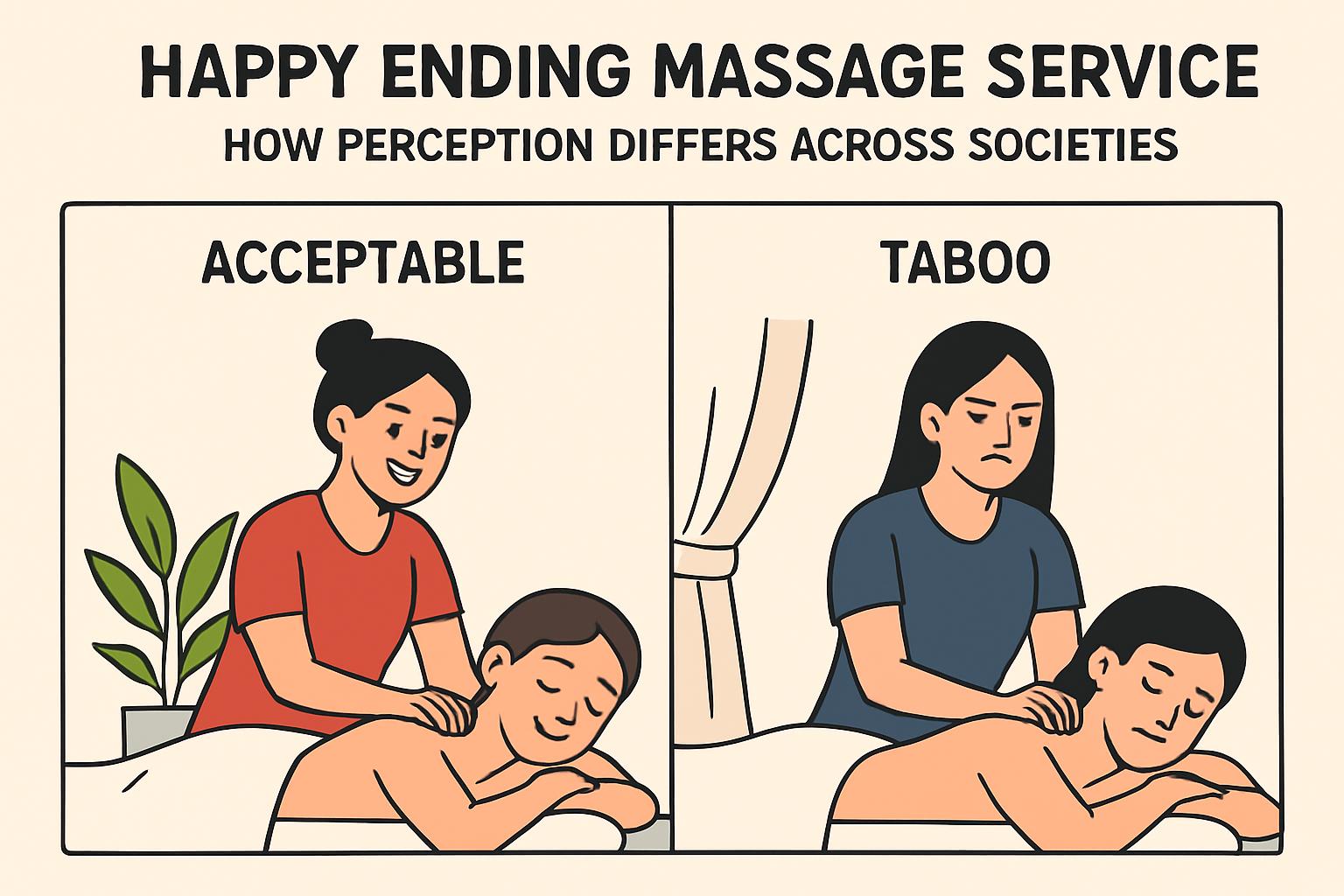
Attitudes toward erotic services vary dramatically. Some countries regulate sex work and require licensing, while others impose criminal penalties on buyers, sellers, or third parties. Culture and local law together shape whether a service is visible, hidden, tolerated, or prosecuted.
Legal and ethical landscape
There’s no universal rulebook. In many places, providing sexual services for money falls under prostitution laws; in others, unlicensed sexual activity in a business context can lead to charges ranging from misdemeanor fines to felony trafficking allegations. Ethically, there are urgent questions about consent, coercion, and exploitation—particularly where payment, immigration status, or debt create pressure.
Practical legal considerations
- Check local statutes—legal status varies by city, county, and country.
- Understand licensing requirements for massage businesses and how violations are enforced.
- Be aware of trafficking laws and the signs that a worker may be forced or exploited.
Health, safety, and public welfare
Health concerns around sexual services include sexually transmitted infections and the potential for violence or abuse. Public-health responses tend to focus on harm reduction: offering testing, education, and safe environments for consenting adults while opposing forced labor. For anyone interacting with this sector—clients, therapists, or policymakers—the priority should be safety, voluntary consent, and access to health services.
Practical safety tips
- Prefer licensed, transparent establishments when seeking massage services.
- Verify worker consent—clear, enthusiastic consent is non-negotiable.
- Use standard protections and get regular sexual health checkups if sexually active with commercial partners.
- Report suspected trafficking or coercion to local authorities or hotlines.
How businesses and ads signal erotic services
Because of legal and reputational risks, many businesses use coded language or discreet channels. Phrases like “special services,” “personal attention,” or “extras available” can function as signals; so can certain pricing patterns, unusually short session lengths, or a lack of professional credentials. But decoding an ad is not a reliable or moral guide—transparency, open communication, and legality matter far more.
Red flags to watch for as a consumer
- No visible licenses or professional certifications where those are normally required.
- Insistence on cash-only transactions or unlisted rates for “extras.”
- Workers who appear to have limited freedom of movement or speak under duress.
Customer etiquette and respecting boundaries
If someone chooses to engage with the erotic massage marketplace, certain norms protect everyone involved. Respect the worker’s stated boundaries. Communicate openly about expectations before a session. Tipping and payment should be agreed upon in advance. And if at any point consent is withdrawn, services must stop immediately. These aren’t optional niceties; they’re basic human decency.
Simple etiquette checklist
- Ask about services and prices up front.
- Confirm consent and stop immediately if consent is withdrawn.
- Respect privacy and don’t record or photograph without permission.
- Leave honest feedback that reflects professionalism and safety concerns, not salacious detail.
For massage therapists: boundaries, safety, and running a legitimate practice
Therapists sometimes face pressure to provide sexual services. Setting clear policies is essential: visible statements on services provided, a refusal policy for sexual propositions, and protocols for safety (panic buttons, check-ins, solo worker policies). Building a reputable practice takes patience but protects both practitioner and client.
Worker safety measures
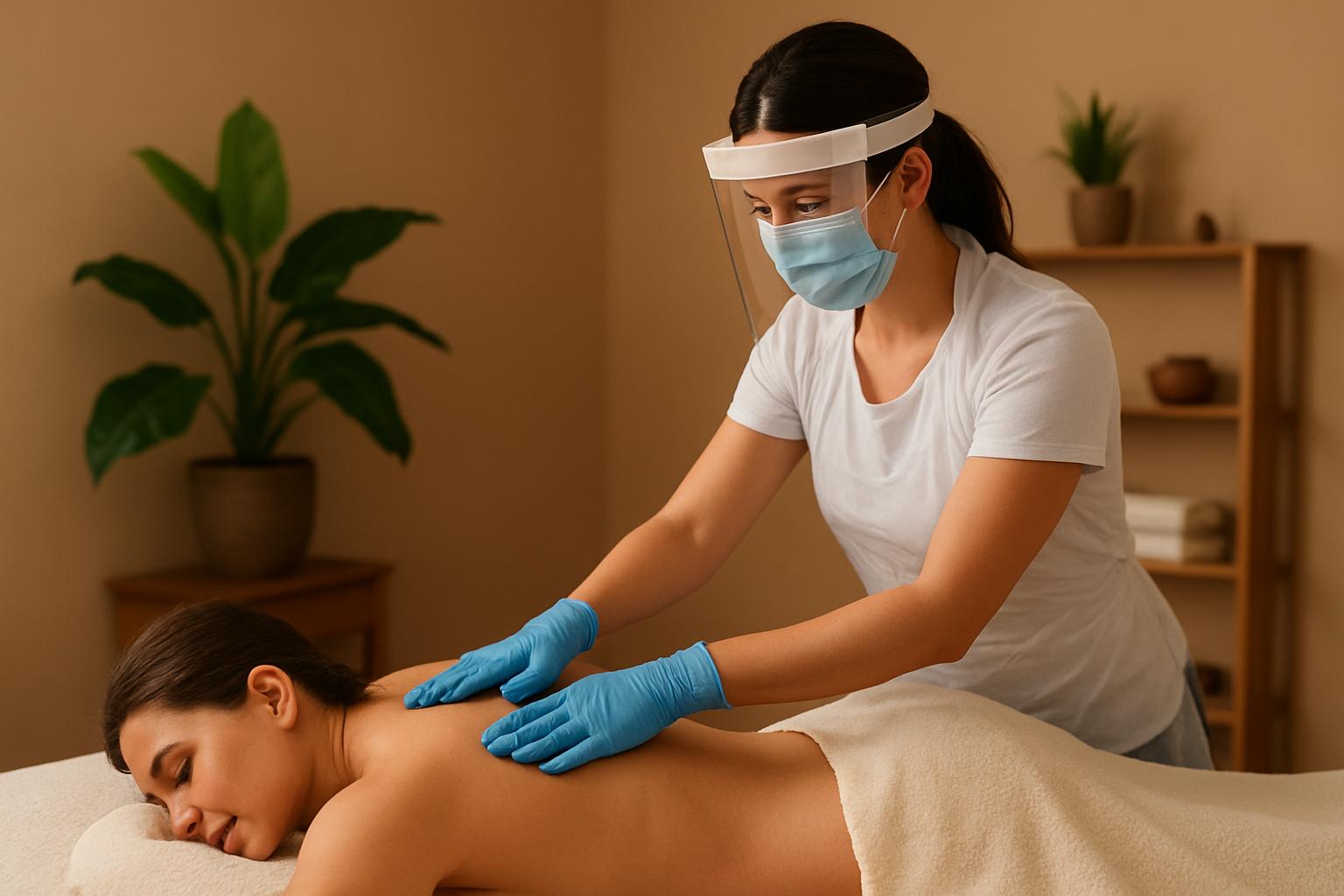
- Post clear service menus and pricing.
- Implement check-in/check-out systems with a colleague or manager.
- Have emergency contacts and an exit plan for uncomfortable situations.
- Seek support from professional associations and local advocacy groups.
Alternatives and safer options
For those seeking intimacy, pleasure, or stress relief without crossing legal or ethical lines, several alternatives exist. Sensual massage workshops teach consensual touch techniques for couples. Tantra practitioners and sexual health therapists can help explore intimacy with explicit consent and clinical oversight. Licensed spas and medical massage clinics focus on therapeutic outcomes without sexual services.
Where to turn for legitimate help with intimacy
- Sex therapists or counselors specializing in desire and relationship issues.
- Certified couples’ massage classes and workshops.
- Licensed massage therapists who offer clear, non-sexualized services for relaxation and pain relief.
Quick reference: comparing types of massage-related services
| Service Type | Primary Goal | Typical Setting | Legality/Notes |
|---|---|---|---|
| Therapeutic massage | Relief from pain, rehabilitation, relaxation | Licensed clinics, spas | Generally legal when performed by licensed professionals |
| Sensual or tantric massage | Heightened intimacy, connection, non-clinical arousal | Private workshops, certified practitioners | Legal in many places if non-commercial and consensual; regulation varies |
| Commercial erotic massage (happy ending) | Sexual service combined with touch | Varied—private parlors, escort services, hidden venues | Legal status varies widely; can be illegal or unregulated; trafficking risks |
| Sex work (broader) | Sexual services for payment | Many settings | Regulated in some jurisdictions; criminalized in others |
Stories from the edges: a brief vignette
Maya ran a small wellness studio in a busy neighborhood. One evening a client asked for something “extra.” She had to decide quickly: risk the reputation and legal consequences or refuse and risk losing income. She changed her intake forms, posted a clear menu, and quietly connected with a local association that supported therapists who refused sexual propositions. Business slowed for a month, then recovered with clients who respected boundaries. The pressure didn’t disappear—nor did the systemic issues that push some workers into risky situations—but Maya’s choices protected her autonomy and clients’ trust.
Final practical takeaways
- Language matters: understand what different phrases imply without assuming uniform meaning.
- Know local laws and respect professional boundaries.
- Prioritize safety and consent above curiosity or convenience.
- Support services that promote voluntary, safe, and dignified work environments for all involved.
Conclusion
A happy ending massage service is a phrase heavy with cultural assumptions, legal complexity, and human consequences; approaching it with curiosity is natural, but acting with care—respecting consent, checking local laws, prioritizing health and safety, and recognizing signs of coercion—keeps people safer and more dignified than seeking quick thrills or prurient curiosity ever could.