
What counts as a body rub?
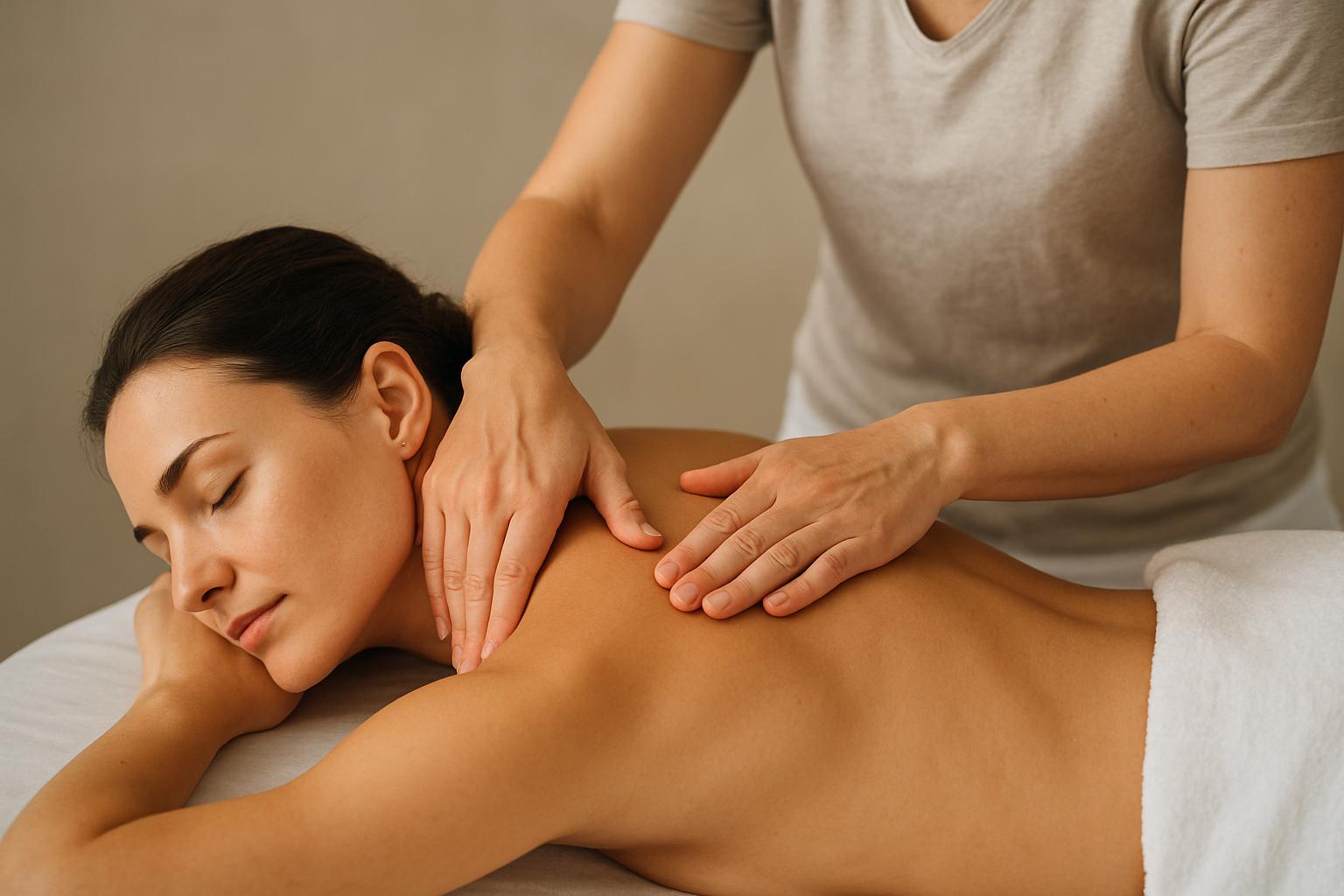
“Body rub” is a simple phrase for a wide spectrum of hands-on care: from a professional therapeutic massage to a brief, comforting rub on a sore shoulder. At its broadest, it describes any deliberate, manual manipulation of soft tissues—muscles, skin, fascia—performed with intention, whether the aim is to relieve pain, ease stress, restore mobility, or simply provide comforting human contact.
Where the idea comes from
Humans have used touch as medicine for millennia. Systems like Ayurveda, Traditional Chinese Medicine, and Greco-Roman therapies built extensive repertoires of rubbing, pressing, and stretching. Across cultures, practitioners adapted techniques to local beliefs and anatomy. Today’s practices mix ancient methods and modern anatomy, yielding approaches that can be clinical, restorative, or purely relaxing.
Different kinds of body rubs: a practical guide
Not all body rubs are the same. Some are light and soothing; others are focused and firm. Below is a concise look at common styles and what each tends to aim for.
| Type | Typical Pressure | Main Goals | Common Duration |
|---|---|---|---|
| Swedish massage | Light to moderate | Relaxation, circulation, general stress relief | 30–90 minutes |
| Deep-tissue | Moderate to strong | Release chronic muscle tension, target knots | 30–90 minutes |
| Sports massage | Variable, often firm | Muscle recovery, injury prevention, performance support | 30–90 minutes |
| Shiatsu/Acupressure | Finger pressure, firm | Energy balance, tension release via pressure points | 30–60 minutes |
| Chair massage | Light to moderate | Brief relief for neck, back and shoulders; convenient | 10–30 minutes |
Techniques you’ll encounter
- Effleurage — long, gliding strokes that warm tissue and promote circulation.
- Petrissage — kneading and lifting to mobilize muscles and reduce stiffness.
- Friction — small, focused movements used to break adhesions and scar tissue.
- Tapotement — rhythmic tapping or cupping to stimulate the nervous system.
- Compression and stretching — applied to release tightness and improve range of motion.
Benefits: what a well-done body rub can deliver
People seek body rubs for many reasons, and research supports several effects. Touch and manual therapy can reduce perceived stress, lower heart rate and blood pressure in the short term, and ease muscle soreness. For chronic pain conditions, some studies indicate manual treatments can be part of a broader plan that improves function and quality of life. Beyond physiology, there’s a powerful psychological component—feeling cared for, validated, and less isolated contributes to recovery and resilience.
Evidence-based takeaways
- Short-term stress reduction and relaxation are common and well-documented outcomes.
- Targeted techniques may relieve musculoskeletal pain when part of a comprehensive approach that includes exercise and medical oversight.
- Results vary by individual, practitioner skill, and underlying health issues; consistent claims of cure should be viewed skeptically.
What to expect during a professional session
A good session begins before hands touch skin. Expect a brief intake—work history, injuries, medications, and goals. The practitioner should explain draping (how your body will be covered for privacy), the pressure they’ll use, and any areas that are off-limits. Communication matters: you should be encouraged to speak up about pressure, comfort, and pain at any time.
Step-by-step flow
- Initial consultation and consent.
- Positioning and draping on a massage table or chair.
- Warm-up strokes, then focused work according to your needs.
- Gentle transition back to stillness, aftercare advice, and hydration.
Choosing a practitioner—and staying safe
Finding the right person requires a mix of practical checks and intuition. Licensing and training matter: in most places, massage therapists and related professionals must meet education and hygiene standards. Look for clear policies about confidentiality and boundaries, and prefer practitioners who ask health questions before beginning.
Checklist for selecting a practitioner
- Verified license or certification appropriate to your region.
- Clear intake procedures and a written consent policy.
- Transparent pricing and cancellation rules.
- Positive reviews and referrals from trusted sources.
- Clean, professional setting and visible hygiene practices.
- Comfortable rapport and respect for your boundaries.
Etiquette, consent, and boundaries
Touch without consent is never acceptable. Discuss any comfort issues up front: what you’ll wear, where you want attention, and where you don’t. If at any time you feel uncomfortable, say so. A responsible practitioner will stop or adjust immediately. Tipping customs vary—check local norms—and respect the therapist’s professional role by not requesting services outside the scope of their training.
When to postpone or avoid body rubs
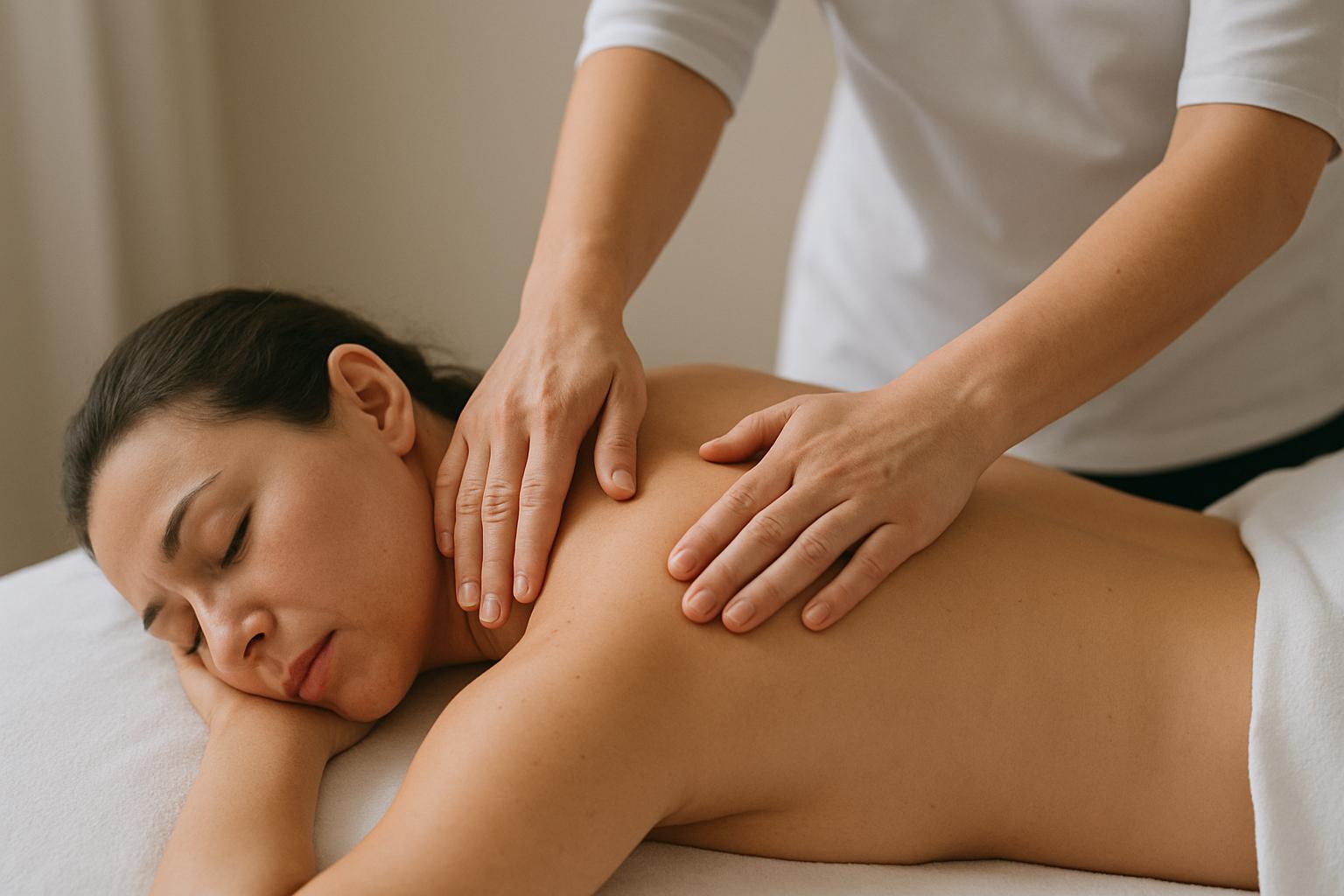
There are clear situations when body rubs are inadvisable or require medical clearance. If you have a fever, open wounds, contagious skin conditions, blood clotting disorders, or an unstable medical condition, skip the session and consult a healthcare professional. Pregnant people should seek practitioners trained in prenatal bodywork. When in doubt, get a physician’s okay.
Common contraindications
- Acute infection or fever
- Recent surgery or unstable fractures
- Deep vein thrombosis or known clotting disorders
- Uncontrolled hypertension or certain heart conditions without clearance
- Certain skin rashes or contagious conditions
How to give a thoughtful at-home body rub
If you’re sharing touch with a partner or caring for a friend, you don’t need professional training to be effective—only attention and respect. Create a calm space, communicate clearly, use a safe oil or lotion on a small test patch first, and focus on smooth, predictable strokes rather than aggressive poking. A short sequence can relieve tension without complicated manoeuvres.
Simple 20-minute full-body sequence
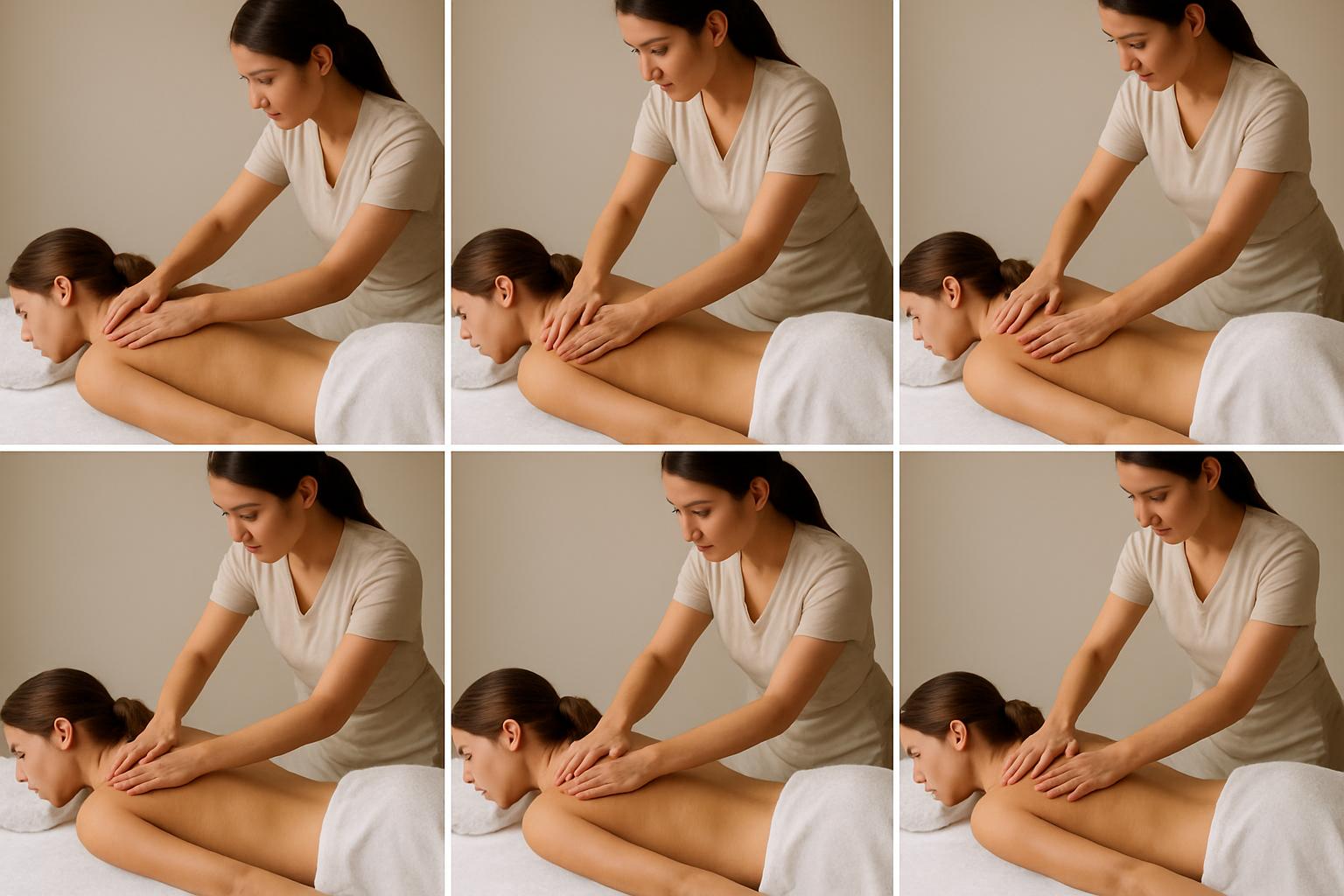
- Set the scene—soft light, moderate room temperature, music at low volume.
- Start with the back: long, gliding strokes (effleurage) to warm the muscles (5 minutes).
- Knead along the shoulders and upper back (petrissage), staying responsive to feedback (5 minutes).
- Flip to legs—gentle strokes from ankle to thigh, finishing with light kneading of calves (5 minutes).
- Finish with hands and arms—slow, soothing strokes and a short scalp rub if welcome (5 minutes).
Legal and ethical considerations
Regulation varies widely. In many jurisdictions, licensed therapists operate under strict rules; in others, the lines between therapeutic and sexual services are blurred, and some types of erotic bodywork are illegal. Check local laws and choose practitioners who follow professional codes of ethics. Avoid situations that ask you to bypass formal settings or payment methods that obscure services offered.
Final thoughts
Body rubs are a pragmatic mix of physiology and human connection. Whether you choose a clinical deep-tissue session to handle chronic tightness, a short chair massage at work, or a gentle at-home rub to soothe a loved one, the essentials are the same: clear consent, clean practice, attentive communication, and realistic expectations. Thoughtful touch can comfort, restore, and reorient us—so long as it’s delivered with skill and respect.
Conclusion
Touch is both simple and complex: a well-executed body rub blends technique, timing, and human decency into a small but powerful healing act. When chosen carefully—with attention to safety, professional standards, and personal boundaries—body rubs offer meaningful relief from stress and pain and a reminder that sometimes the body’s best medicine is the attentive hand of another person.