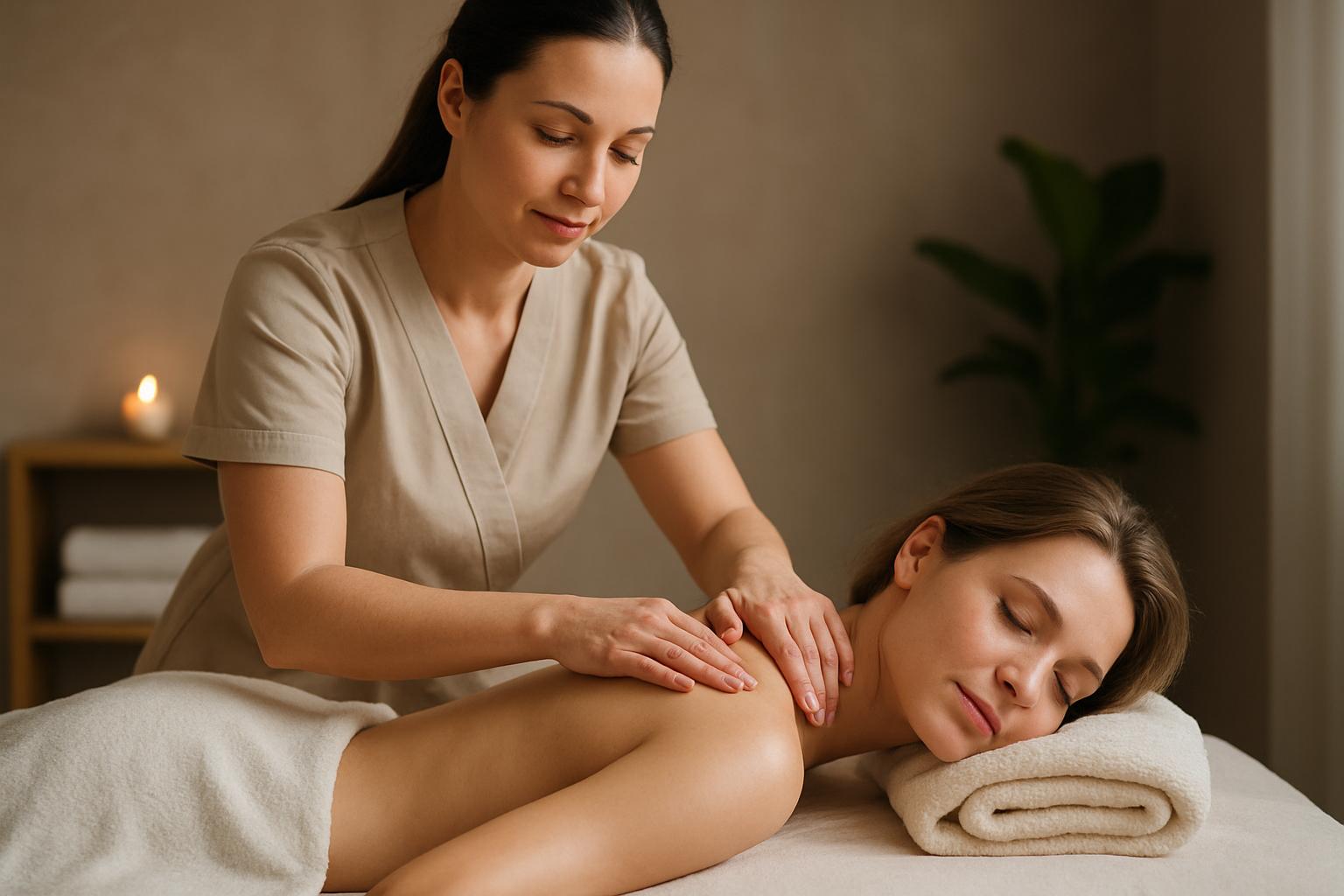

The first time Maya walked into a softly lit therapy room, she felt oddly guilty for craving something that seemed indulgent. Within ten minutes, the knot at the base of her neck eased and a memory returned: she’d spent years treating self-care like a reward instead of a routine. That session didn’t fix everything, but it changed how she thought about care. A massage service can be a small change with outsized effects—if you know what to expect and how to choose the right one.
Why People Seek Massage
People come for many reasons: chronic pain, sports recovery, stress relief, or simply the need for quiet and human touch. Massage affects the body on several levels—reducing muscle tension, improving circulation, and activating the parasympathetic nervous system, which helps lower stress hormones. For some it’s strictly practical, an adjunct to physical therapy; for others, it’s an emotional reset. The common thread is intentional, trained touch applied to meet a clear goal.
Physical and mental benefits
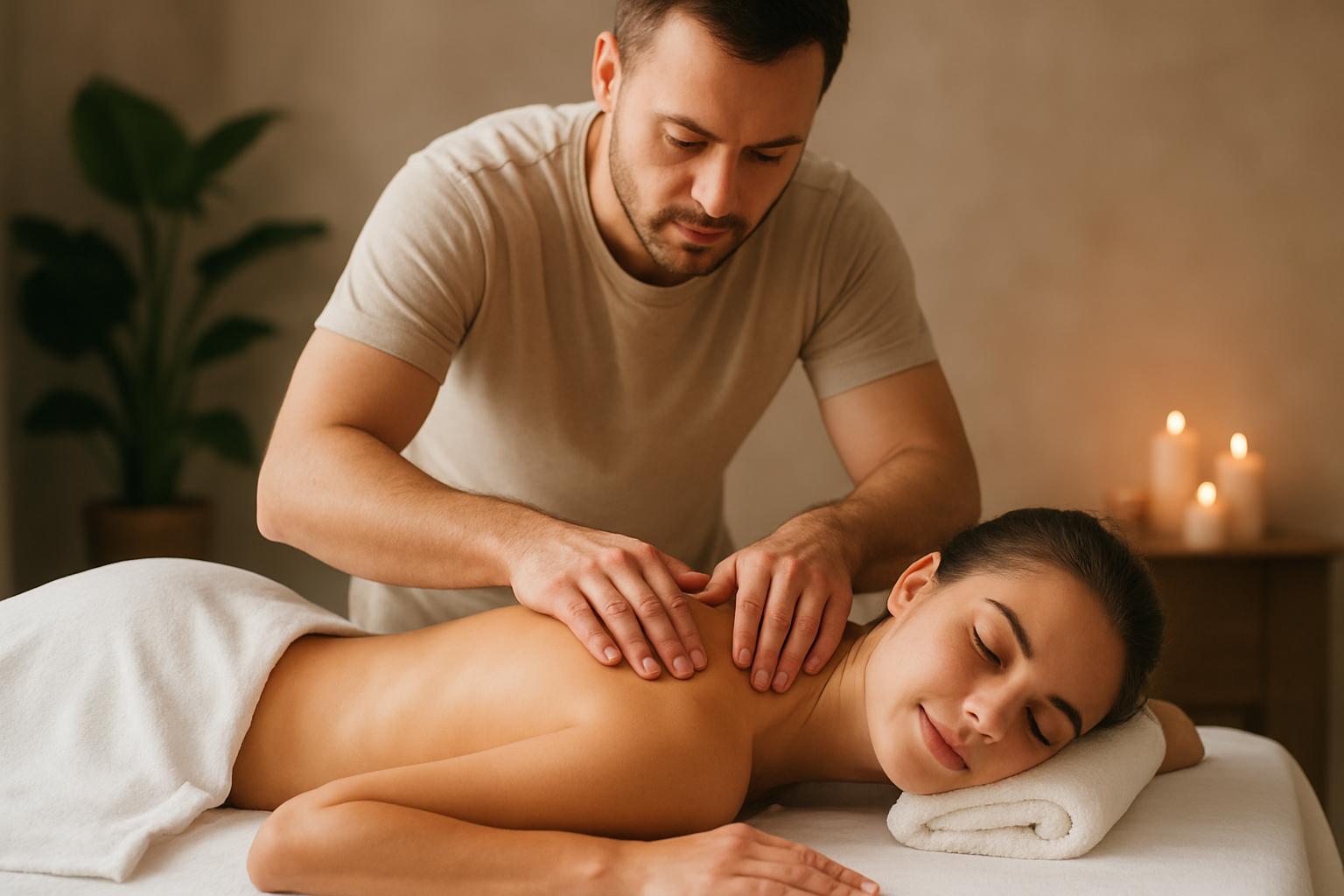
- Reduced muscle tension and improved range of motion.
- Enhanced circulation and lymphatic drainage.
- Lowered anxiety and improved sleep quality.
- Support for recovery after exercise or injury when coordinated with medical care.
Types of Massage: Picking the Right Technique
There’s no single “best” massage; the right one depends on your body, your goals, and sometimes even your mood. Below are commonly offered modalities and what they deliver.
Popular modalities
- Swedish massage — gentle, rhythmic strokes designed for relaxation and increased circulation.
- Deep tissue — slow, focused pressure intended to release chronic tension in deeper muscle layers.
- Sports massage — combines stretching and targeted work to prepare or recover athletic muscles.
- Trigger point therapy — concentrated pressure on specific knots to reduce referred pain.
- Lymphatic drainage — light, rhythmic strokes to encourage fluid movement in the lymphatic system.
- Shiatsu and acupressure — compressions along energy lines; rooted in Eastern traditions.
- Hot stone — warmed stones complement touch to ease stiffness and encourage relaxation.
- Prenatal massage — adapted techniques for pregnant bodies, focusing on comfort and safety.
- Aromatherapy massage — essential oils are used alongside touch for mood or symptom support.
- Chair massage — shorter, clothed sessions that target the neck, back and shoulders; convenient for workplaces.
| Type | Best for | Pressure | Typical duration | Average cost (USD) |
|---|---|---|---|---|
| Swedish | Relaxation, first-time clients | Light to medium | 60–90 minutes | $60–$120 |
| Deep tissue | Chronic muscle tension | Medium to firm | 60–90 minutes | $70–$140 |
| Sports | Athletes, pre/post-event | Variable | 30–90 minutes | $50–$150 |
| Lymphatic drainage | Swelling, post-surgery recovery | Very light | 45–90 minutes | $80–$160 |
| Prenatal | Pregnancy-related aches | Gentle | 60 minutes | $65–$130 |
How a Massage Session Unfolds
Understanding the flow of a session removes awkwardness and helps you get more from the treatment. A typical appointment moves through booking, arrival, intake, the massage itself, and aftercare.
Step-by-step
- Booking: Choose modality and length; disclose health conditions when asked.
- Arrival and intake: Brief questionnaire and verbal consult about pain points, pressure preference, and areas to avoid.
- Draping and privacy: You undress to your comfort level; therapists use sheets to expose only the area being worked on.
- Communication during the session: Speak up if pressure is too much or pain occurs—therapists expect feedback.
- Closing: Brief aftercare discussion; guidance on hydration, stretches, and potential soreness.
Choosing a Massage Service
Picking where to go is more than price or proximity. Your therapist’s training, the clinic’s culture, and how they handle safety and consent matter. Trust your instincts: a calm, clean environment with clear policies is a good sign.
Licensing and certifications
Check for state licensing where relevant, and certifications for specialized techniques. Therapists often list credentials on their websites—look for continuing education that shows they update their skills.
Questions to ask before booking
- What is your licensing and training background?
- Do you have experience with my specific issue (e.g., post-surgical care, prenatal)?
- How do you handle confidentiality and client comfort?
- What is your cancellation and refund policy?
Preparing for Your Session
Small steps before you arrive amplify benefits. Arrive a few minutes early to fill out forms and settle in. Skip heavy meals beforehand and drink water. If you’re on medication or have a medical condition, tell the therapist; they can adapt techniques for safety.
What to wear and bring
- Loose, easy-to-remove clothing for pre- and post-session comfort.
- Any referral or medical notes if recommended by a doctor.
- Questions written down if you’re nervous about remembering them.
Cost, Packages, and What Affects Price
Price reflects training, clinic overhead, location, and length. Higher rates don’t automatically mean better quality, but very low prices can be a red flag for insufficient credentials or unsafe practices. Many establishments offer packages that lower per-session cost, and memberships for regular clients who want consistent care.
Tipping and etiquette
- Tipping is customary in many regions—around 15–20% for good service—unless gratuity is included.
- Be punctual. Arriving late shortens your session and is unfair to the therapist and other clients.
- Silence or soft conversation? Let the therapist know your preference; some people want quiet, others enjoy light chat.
Contraindications and Safety
Massage is beneficial for many, but not always appropriate. Active infections, fever, uncontrolled high blood pressure, deep vein thrombosis, certain skin conditions, and some stages of pregnancy call for caution or medical clearance. Always inform your therapist about surgeries, implants, or cancer history—coordination with your healthcare provider is essential.
What to expect after a session
Mild soreness or fatigue is common after deep work. Drinking water, resting, and gentle movement help. If you experience intense or prolonged pain, numbness, or signs of infection, contact your therapist or a medical professional.
At-Home Self-Care and Simple Techniques
Between professional sessions you can maintain progress with a few targeted habits. Self-massage, stretching, and tools make a big difference without replacing trained hands.
- Foam roller for large muscle groups—move slowly and breathe through tender spots.
- Using a lacrosse ball against a wall to release the shoulder blade or gluteal areas.
- Simple stretches: neck tilts, thoracic rotations, hip flexor stretches after sitting long hours.
- Breath work: slow diaphragmatic breathing calms the nervous system and enhances relaxation.
Finding the Right Rhythm: Frequency and Goals
How often you get a massage depends on your objective. Someone recovering from injury may need multiple weekly sessions initially; a person seeking relaxation might go monthly or seasonally. Track outcomes: less pain, better sleep, and improved mobility indicate progress. Adjust frequency as your needs change.
Conclusion
Choosing and receiving a massage service is a blend of practical planning and personal preference—understanding the types, asking the right questions, and communicating openly with your therapist will make each session more effective. Whether you need targeted rehab work or a weekly pause from life’s momentum, a well-delivered massage supports physical recovery, eases stress, and reminds you that steady, deliberate care for your body is both sensible and worth scheduling.