
Introduction — a crowded city, a doubled touch

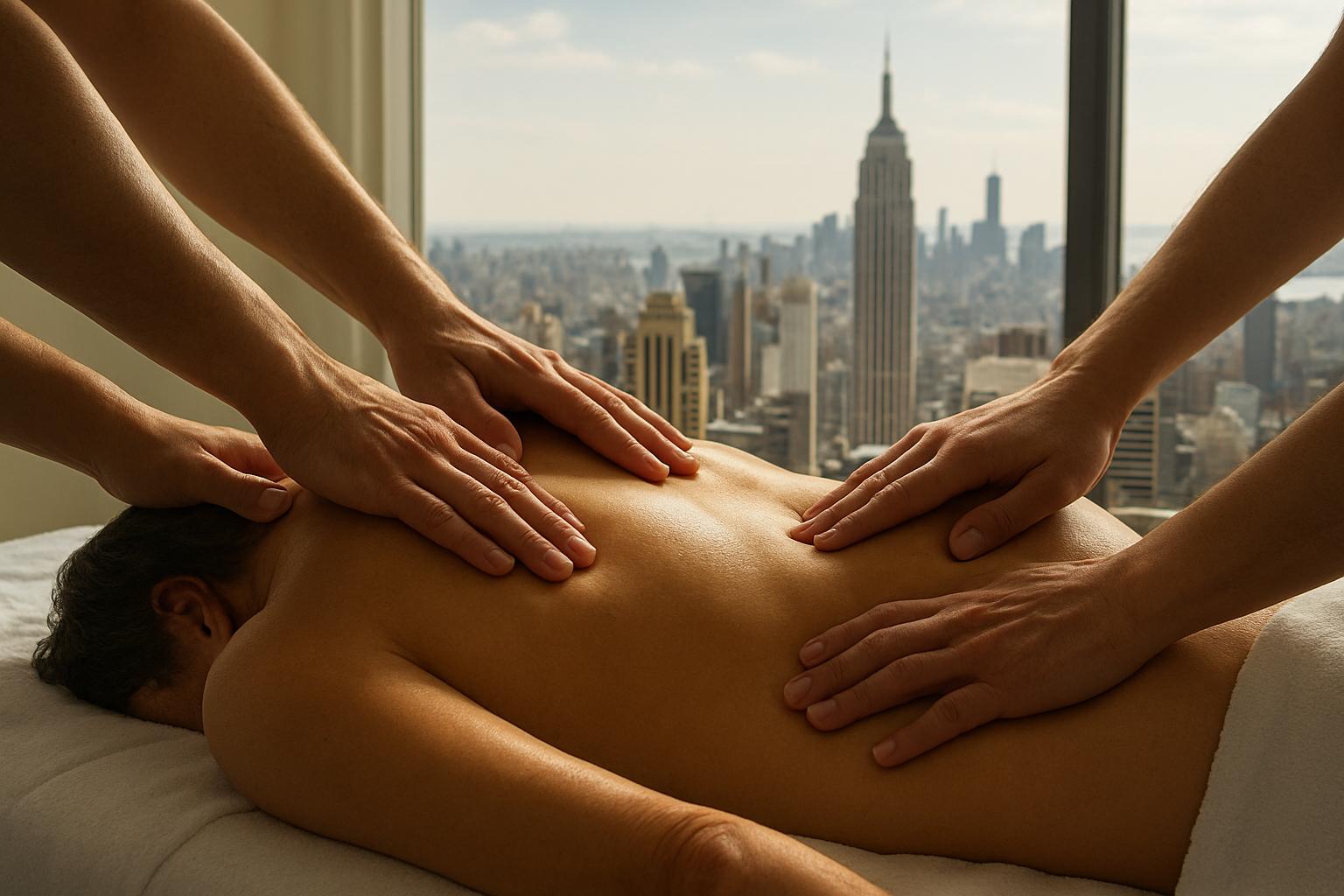
On a rainy Thursday in Midtown I ducked into a draped doorway to escape the clatter and found myself lying on a table as two therapists entered from opposite sides. At first the feeling was disorienting: two sets of hands moving in mirrored choreography, pressure arriving and releasing from opposite directions. Within minutes the city’s noise was a distant hum and my breath slowed as if the room had folded time in half. That is the peculiar, potent promise of a four-hands massage in New York — an amplified, synchronized experience that can make even the most jaded commuter feel remarkably unmoored from the calendar.
What is a four-hands massage?
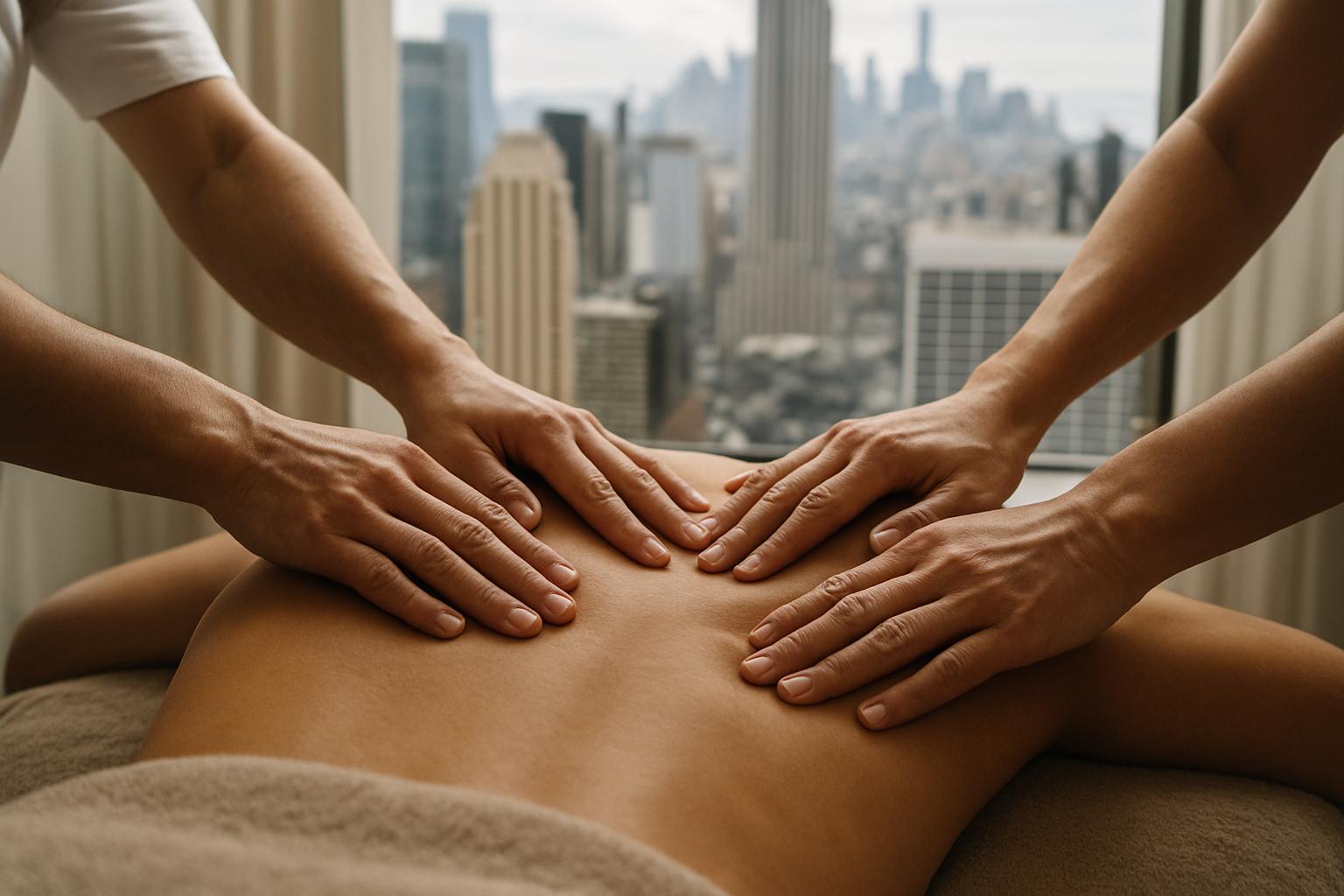
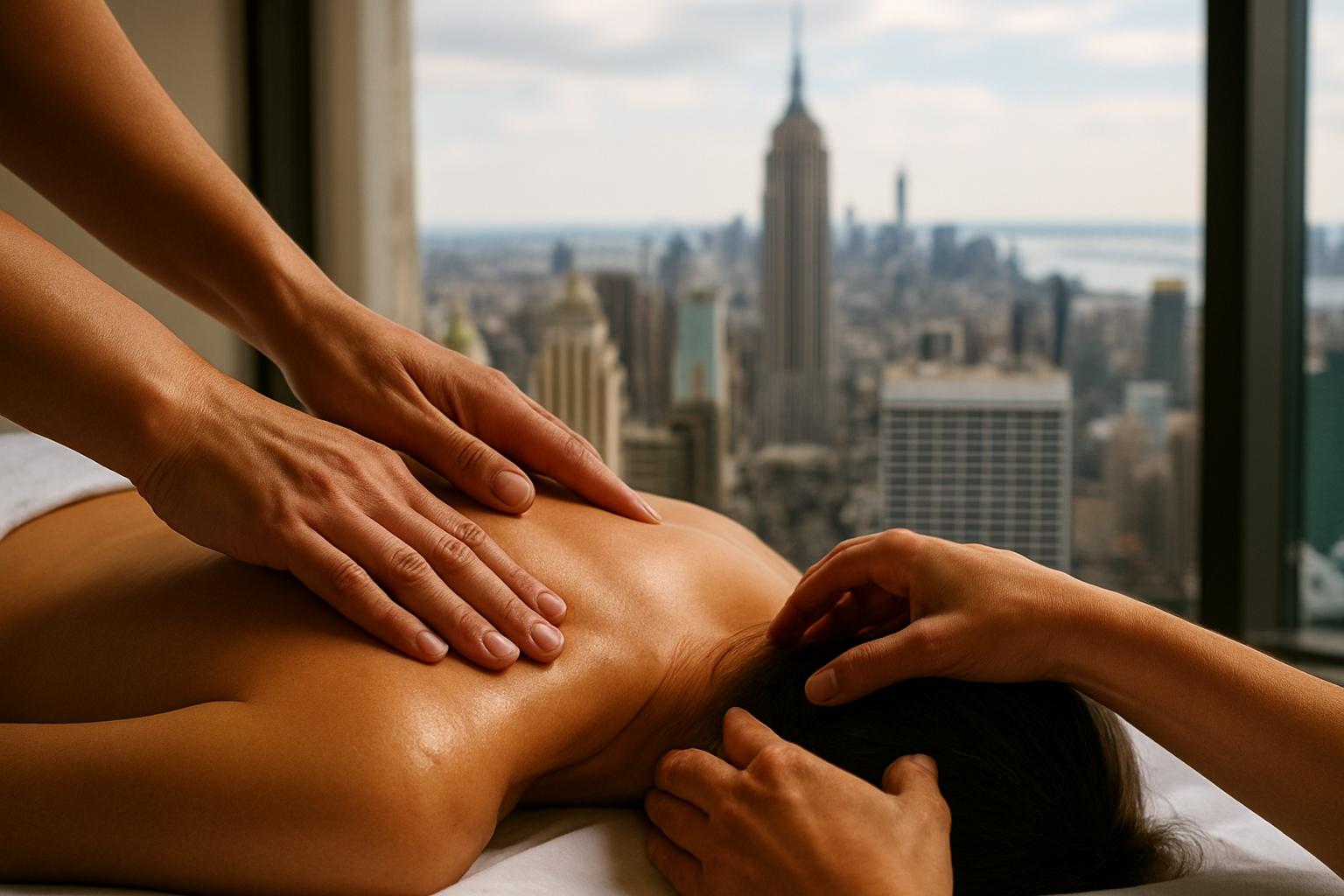
A four-hands massage involves two therapists working simultaneously on one client, coordinating their strokes to create a seamless, enveloping treatment. It can blend Swedish, deep tissue, lymphatic, or spa-style techniques and is often choreographed so pressure and rhythm are complementary rather than competing. The result is sensory complexity: muscles are addressed from multiple angles, timing becomes part of the technique, and the mind responds to layered, patterned touch.
Origins and evolution
Multiple cultures have traditions of paired or group bodywork, and the modern spa version evolved as therapists and clients experimented with multiplied hands to increase relaxation and therapeutic effect. Today, urban spas and luxury hotels in New York have popularized four-hands sessions as an indulgent option for those wanting a heightened sensory experience or a shortcut to deep relaxation.
Why people choose four-hands massage
Clients seek this treatment for a mix of practical and experiential reasons. For some it’s curiosity: what does it feel like to be worked on by four hands? For others it’s pragmatic: stubborn tension that resists single-therapist approaches, or a desire to maximize benefits in a limited appointment time.
Benefits you can expect
- Deeper relaxation and faster entry into a meditative state due to synchronized rhythms.
- More comprehensive coverage—two therapists can tackle both superficial and deeper tissues simultaneously.
- Enhanced circulation and lymphatic flow when treatments incorporate long, sweeping strokes.
- Perceived reduction in pain and muscle guarding because opposing pressure helps normalize muscle tension.
- A luxurious, restorative experience that can improve mood and reduce stress hormones short-term.
Who benefits most
People with chronic neck and shoulder tension, those with limited time who want maximum impact, and anyone seeking a deeply relaxing, spa-style session often prefer four-hands work. It’s also popular for couples booking side-by-side sessions as a shared indulgence, though the technique itself is usually a solo treatment with two therapists.
What to expect during a session in New York
Urban spas tend to emphasize comfort and efficiency. A typical appointment follows a familiar pattern but with unique touches to accommodate two therapists:
- Pre-session consultation: brief intake to note medical issues, areas to focus on, and preferred pressure. Mention anything like pregnancy, recent surgeries, or circulatory concerns.
- Room setup: many spas dim lights and use music to help synchronize breathing; some place therapists on opposite sides to mirror work, others switch positions during the treatment for variety.
- Duration: sessions commonly run 60, 90, or 120 minutes. Expect the therapists to coordinate their work from start to finish, adjusting rhythm based on feedback.
Table — session lengths, typical NYC price ranges, and what to expect
| Session Length | Typical NYC Price Range | What to Expect |
|---|---|---|
| 60 minutes | $160–$260 | Focused, efficient full-body session—good for first-timers; emphasis on back, neck, shoulders. |
| 90 minutes | $240–$360 | More thorough coverage with time for lower body and targeted deep work; often the best value. |
| 120 minutes | $320–$520+ | Extended, unrushed experience allowing for detailed attention, switching techniques, and longer sessions of restorative work. |
Choosing the right spa and therapists in New York
New York’s options range from neighborhood day spas to hotel sanctuaries. Instead of chasing a name, look for three qualities: therapist coordination experience, clear communication, and favorable recent reviews mentioning four-hands specifically. Spas that offer this service regularly train pairs to work together; that training translates into seamless transitions and fewer awkward overlaps.
Questions to ask when booking
- How long have the therapists worked together?
- What modalities do they blend (Swedish, deep tissue, myofascial, etc.)?
- Can I request therapist gender or experience level?
- What is the cancellation policy and gratuity expectation?
Etiquette, tipping, and practical tips
Tipping in New York typically follows the 15–20% standard for massage; check whether the spa adds a service fee. Arrive early to complete intake and settle in; that makes it easier for therapists to start on time and preserve the flow. Wear comfortable clothing to and from the appointment, and avoid heavy meals immediately before a session.
What to tell your therapists
- Areas to avoid or areas needing more attention.
- Your pressure preference: light, medium, firm. If anything hurts, say so immediately.
- Any medical conditions—pregnancy, recent surgeries, blood clots, or medications that affect bleeding or circulation.
Safety and contraindications
Most people can safely enjoy a four-hands massage, but it is not appropriate for everyone. Pregnant clients should consult their OB and seek therapists trained in prenatal care. People with active infections, open wounds, recent fractures, uncontrolled high blood pressure, or certain clotting disorders should delay treatment until cleared by a physician. Always disclose medications that thin blood or weaken the immune response.
Aftercare: how to make the benefits last
After an intense, synchronized session your body might feel pleasantly lethargic or, on occasion, slightly sore if deep work was performed. Hydrate, rest, and avoid strenuous activity for the remainder of the day. Gentle stretching and a warm shower can help maintain circulation, and writing down where tension shifted during the session helps therapists refine future visits.
Frequently asked practical questions
Can I request two very different treatments at once?
Virtually—spas can design sessions that mix modalities, such as one therapist performing myofascial release while the other provides long relaxing strokes. The key is coordination; request this when booking so therapists can plan and communicate.
Is a four-hands massage better than a one-therapist session?
“Better” depends on your goal. For deep relaxation and sensory immersion, four hands often surpasses a single therapist. For pinpointed, clinical work on a specific injury, a skilled single therapist may be preferable. Match the modality to the need.
How often should I get one?
Frequency depends on budget and goals. For maintenance and stress relief, monthly sessions are common. Those addressing persistent tension may schedule every two to three weeks initially, then taper as symptoms improve.
Booking and budget strategies in New York
To get the best value: look for weekday off-peak discounts, sign up for spa newsletters that offer introductory rates, or consider package deals. If you’re trying a four-hands session for the first time, a 60- or 90-minute booking gives a clear sense of the format without a large commitment.
Final tips for a memorable four-hands experience
- Communicate clearly—synchronized techniques are subtle and therapists want feedback to calibrate pressure and timing.
- Let go of trying to track what each hand is doing; surrender to the rhythm and let breathing guide you.
- Pair it with a simple pre- or post-treatment ritual: a short steam, quiet tea, or a slow walk home to extend the calm.
Conclusion
Four-hands massage in New York is more than a novelty; it’s a deliberately crafted encounter that multiplies the effects of touch, shortens the time it takes to drop into deep relaxation, and offers a high-caliber spa experience for people who want efficient, enveloping care—choose a reputable spa with trained therapist pairs, communicate your needs clearly, and treat the session as both a therapeutic appointment and a sensory experiment, and you may walk back into the city feeling as if time has been rearranged for your benefit.