
What people mean when they say «happy massage ending»
Two words tossed around casually in conversations about spa visits and back-alley services describe very different realities. For some, the phrase simply signals a relaxed, contented state after a deeply therapeutic session — breath slowed, shoulders dropped, the ache eased. For others, it’s a crude euphemism for sexual contact that may occur at the conclusion of a massage. Sorting those meanings matters: one is entirely within the realm of professional care, the other raises legal, ethical and safety concerns.
A brief history and cultural backdrop
Touch is an ancient human tool for comfort and healing. Traditional systems from China, India and Southeast Asia codified therapeutic touch long before modern licensing existed. As massage became commercialized and globalized over the last century, a shadow economy emerged where sexual services were sometimes offered alongside legitimate bodywork. Media, folklore and urban legend then blurred the line: tales of illicit “happy endings” became shorthand for the risk that a routine appointment could cross into sexual territory.
Legal and ethical landscape
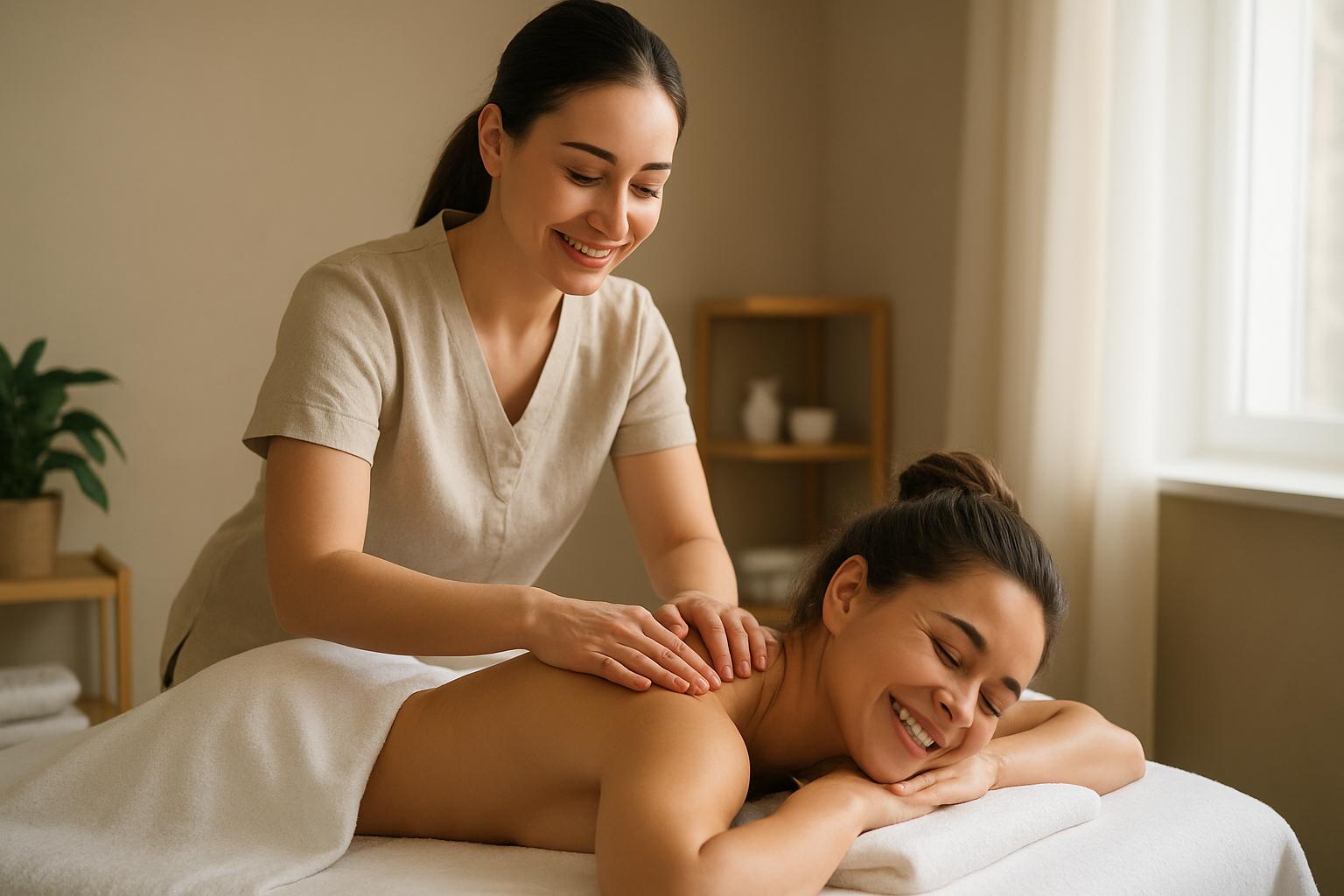
Law and professional codes draw a hard boundary: licensed massage therapists are expected to maintain therapeutic intent, informed consent, and a strict no-sexual-contact policy. Local laws vary widely; in many jurisdictions selling sexual services is illegal, and establishments that combine massage with sexual activity may be subject to raids, fines, and closure. Ethically, therapists who exploit clients or pressure colleagues violate the trust central to health care and risk their licenses and reputations.
Health, safety, and consent
Beyond legality, there are real safety implications. Sexual contact introduces sexually transmitted infection (STI) risks and complicates issues of power and coercion. Clients may feel ashamed, confused, or coerced into silence if an unexpected sexual advance happens. For practitioners, offering sexual services can be a sign of exploitation, trafficking, or unsafe work conditions. Clear communication and consent are crucial in any interpersonal touch context; absence of explicit, freely given consent is a major red flag.
Finding reputable massage therapy: practical tips
If your goal is relaxation or rehabilitation, use this short checklist to locate a professional environment that prioritizes safety and standards.
- Check licensing: confirmed credentials displayed on-site or searchable through a state/provincial registry.
- Look for a professional setting: clean premises, clear service menus, reception policies and payment systems that feel transparent.
- Read reviews from multiple sources; prioritize recent and detailed accounts over vague praise.
- Trust first impressions: therapists who explain techniques, ask about medical history, and set boundaries usually practice ethically.
- Avoid venues offering “add-ons” described in sexual terms or that pressure you into private rooms with ambiguous offerings.
Questions to ask before booking
- Are you licensed, and can I see your credentials?
- What modalities do you practice, and are there any areas you do not treat?
- What is your policy on draping, and will I be expected to undress fully?
- How do you handle client discomfort or the need to stop?
- Is there clear pricing and cancellation policy in writing?
Red flags: spotting risky or illicit services
Certain signs commonly indicate that a place may not be operating above board. Aggressive upselling of private «extras,» absence of visible licensing, requests for cash-only payments in secretive arrangements, and premises that seem more focused on privacy than on cleanliness and comfort are all reasons to walk away. Equally, if a practitioner violates your boundaries, continues after you say «stop,» or uses pressure or shame to persuade you, consider that a serious breach of trust and safety.
Alternatives that honor intimacy without risking harm
If what you want is intimacy or erotic touch in a consensual, safe way, there are healthier paths than seeking sexual services through a massage appointment. Couples massage offered at reputable spas is designed for shared relaxation without sexual contact. Sensate focus exercises, body-awareness workshops led by qualified sex therapists, Tantra or somatic coaching conducted by licensed professionals, and open communication with a partner about nonsexual affectionate touch can all provide intimacy while respecting legal and ethical boundaries.
Personal stories: three short scenarios
Story 1 — The polite refusal: Maria booked a medical massage for chronic neck pain. When the therapist suggested private “extras” at the end, she declined. The therapist immediately returned to the clinical plan, apologizing for the misunderstanding and offering resources to report the solicitation. Maria left feeling respected and safer knowing the clinic took boundary violations seriously.
Story 2 — The uncomfortable client: James felt a creeping sense of awkwardness when the session veered toward discussion of sexual topics. He stopped the session, dressed, and addressed the issue with reception. They refunded him and offered a therapist re-assignment. His complaint prompted the clinic to revisit training on professional boundaries.
Story 3 — The exploited worker: An employee at a small, cash-only parlor was pressured to provide sexual services to cover rent. A local outreach program connected them with legal help and a licensing board investigated the establishment. This example highlights how illegal services are often entangled with worker vulnerability.
Practical checklist and comparison table
Use the table below to weigh options before booking a massage.
| Setting | Legality | Typical Professionalism | Safety Tips | Common Red Flags |
|---|---|---|---|---|
| Licensed clinic or medical spa | Legal | High — licensed therapists, documentation | Verify license, confirm intake forms, ask about draping | Hidden fees, off-the-book requests |
| Commercial day spa | Legal | Moderate to high — customer-oriented, policies visible | Read online reviews, check cleanliness, arrive early | Ambiguous «special offers,» unlisted services |
| Private home or unregistered parlour | Often illegal or unregulated | Variable — little accountability | Avoid if you value safety; insist on public booking platforms | Cash-only, no credentials, pressured privacy |
| Street or illicit service | Illegal in many places | Low — high risk | Prefer licensed, regulated alternatives | Explicit sexual offers, no paperwork |
Reporting problems and seeking help
If you encounter a situation that feels illegal or unsafe, there are steps to protect yourself and others. For immediate danger, call local emergency services. To report illicit sexual services tied to massage establishments, contact municipal licensing boards, public health departments, or non-emergency police lines depending on the law in your area. For practitioners facing coercion or trafficking, local labor rights organizations and trafficking hotlines can offer confidential assistance. Many regions also have professional associations that accept complaints about therapist misconduct.
How to talk about this with a partner or therapist
Conversations about sexual boundaries and expectations can feel awkward but matter tremendously. When talking with a partner, be specific about what kind of touch feels supportive versus sexual, and agree on signals to stop or slow down. With a therapist, frame questions around professional scope: ask how they define appropriate touch, how they handle client discomfort, and what their training covers. Clear language prevents misunderstandings.
Final practical takeaways
- “Happy massage ending” can mean relaxation or sexual contact — context changes everything.
- Prefer licensed, visible practitioners and venues with clear policies.
- Consent, safety, and respect are non-negotiable; anything less is a sign to leave and report.
- If you seek erotic intimacy, pursue appropriate, consensual avenues rather than expecting them from health-care providers.
Conclusion
0
The phrase that draws curiosity and controversy taps into something deeper than a single act: it highlights how touch can heal, be misused, or be commodified, depending on the context. By prioritizing licensed care, clear communication, and informed consent, you protect your physical and emotional safety; by recognizing the signs of illicit or exploitative services, you help safeguard others; and by seeking appropriate, consensual alternatives for intimacy, you honor both your needs and the integrity of professional practice.