
The day I heard the phrase in a steam room
It was a foggy Tuesday and the steam room conversation drifted from weather to weekend plans until someone casually mentioned a «happy ending» they’d read about online. Heads tilted. Phones checked. Jokes were made, then the room fell oddly quiet—no one really knew what to say without sounding naive or judgmental. That brief moment is common: the phrase sits in popular culture like a rumor in the locker room—half a joke, half a warning. For many spa-goers, it raises questions about expectations, legality, and the true purpose of a professional spa visit.
Where the phrase comes from and how it’s used
The words «happy ending» have been part of parlance for decades, used in films, TV and tabloids to hint at sexualized conclusions to services. In mainstream conversation it’s shorthand—ambiguous and often sensationalized. In some places and contexts it directly implies illegal sexual services offered alongside massage. In regulated, professional spa environments, however, the focus is strictly on health, relaxation and therapeutic outcomes; the term is either irrelevant or a red flag.
Different interpretations, different consequences
Language matters. In tourist areas and online forums, the phrase may be used casually or jokingly, but for spa staff and owners it carries implications about conduct, liability and reputation. Misunderstandings can lead to uncomfortable interactions, ruined experiences, and in some jurisdictions, legal trouble for both client and provider. Understanding how the phrase is perceived locally—by staff, by law enforcement, and in community norms—helps you avoid awkward or risky situations.
Legality, ethics, and the spa industry
Spas operate under a patchwork of local and national regulations that define professional scope. Licensed massage therapists and estheticians are bound by codes of conduct and license requirements that forbid sexual contact. Establishments that permit illegal services risk fines, closure, and criminal charges; therapists risk losing licenses and facing prosecution. Ethical spas build reputations on transparent services, clear policies and a commitment to safe, non-exploitative care.
How legitimate spas protect everyone
- Clear service menus with descriptions and prices.
- Intake forms and health screening to tailor treatment safely.
- Professional draping standards and private-but-respectful room practices.
- Staff training on boundaries, consent and mandatory reporting.
- Visible business licenses and membership in professional associations.
What to expect during a professional spa visit
Knowledge reduces anxiety. A proper spa visit follows a predictable flow: booking, check-in, consultation, treatment, and aftercare. Communication is a core part of every step—therapists ask about pressure preferences, medical history, and touch boundaries. Draping is used to preserve modesty and privacy; if a therapist ever requests otherwise, it’s a serious breach of professional standards.
Common treatments and their purposes
| Treatment | Purpose | What to expect |
|---|---|---|
| Swedish Massage | General relaxation and circulation | Long, gliding strokes; light-to-medium pressure; fully draped. |
| Deep Tissue | Chronic muscle tension and pain relief | Deeper pressure; therapist focuses on specific areas; possible short-term soreness. |
| Hot Stone | Muscle relaxation and warmth | Heated stones used as an extension of the therapist’s hands; typically calmer pace. |
| Thai or Lomi Lomi | Stretching, range-of-motion and energetic flow | More movement and assisted stretches; therapist may use body weight. |
| Facial or Body Treatment | Skin health and relaxation | Products and techniques tailored to skin type; modesty maintained with draping. |
Practical details—time, cost, and preparation
Most spa sessions last 30–90 minutes. Bring a change of clothes and arrive early to use amenities like saunas or relaxation lounges. Prices vary by location and expertise; expect licensed therapists in high-demand areas to charge more. Gratuities are customary in many cultures but check local norms. If anything feels off before or during your session—unclear pricing, pushy staff, or lack of credentials—leave and report the experience.
Etiquette, boundaries, and how to communicate
Good etiquette benefits both client and therapist. Be punctual, disclose relevant medical conditions, and state your pressure preferences. Use clear, simple language when setting boundaries: «I prefer light pressure» or «Please don’t touch X area.» Therapists are trained to listen and adjust. If a therapist violates boundaries, stop the session, dress, leave, and report the incident to management or licensing authorities.
Simple phrases you can use
- «I’m here for relaxation/therapy—no intimate contact, please.»
- «Could you avoid that area?»
- «That’s too strong/too light—can you adjust?»
- «I’d like to stop the session now, thank you.»
Red flags to watch for
- Ambiguous or missing business licenses and therapist credentials.
- Menus with sexualized language or «extras» not listed on official websites.
- Therapists who pressure you for tips or private meetups off-premises.
- Rooms without locks, no draping, or requests to remove personal items beyond normal undressing.
- Persistent offers for services not on the menu or conversations that steer sexual.
Alternatives to the stereotype—ways to leave feeling genuinely uplifted
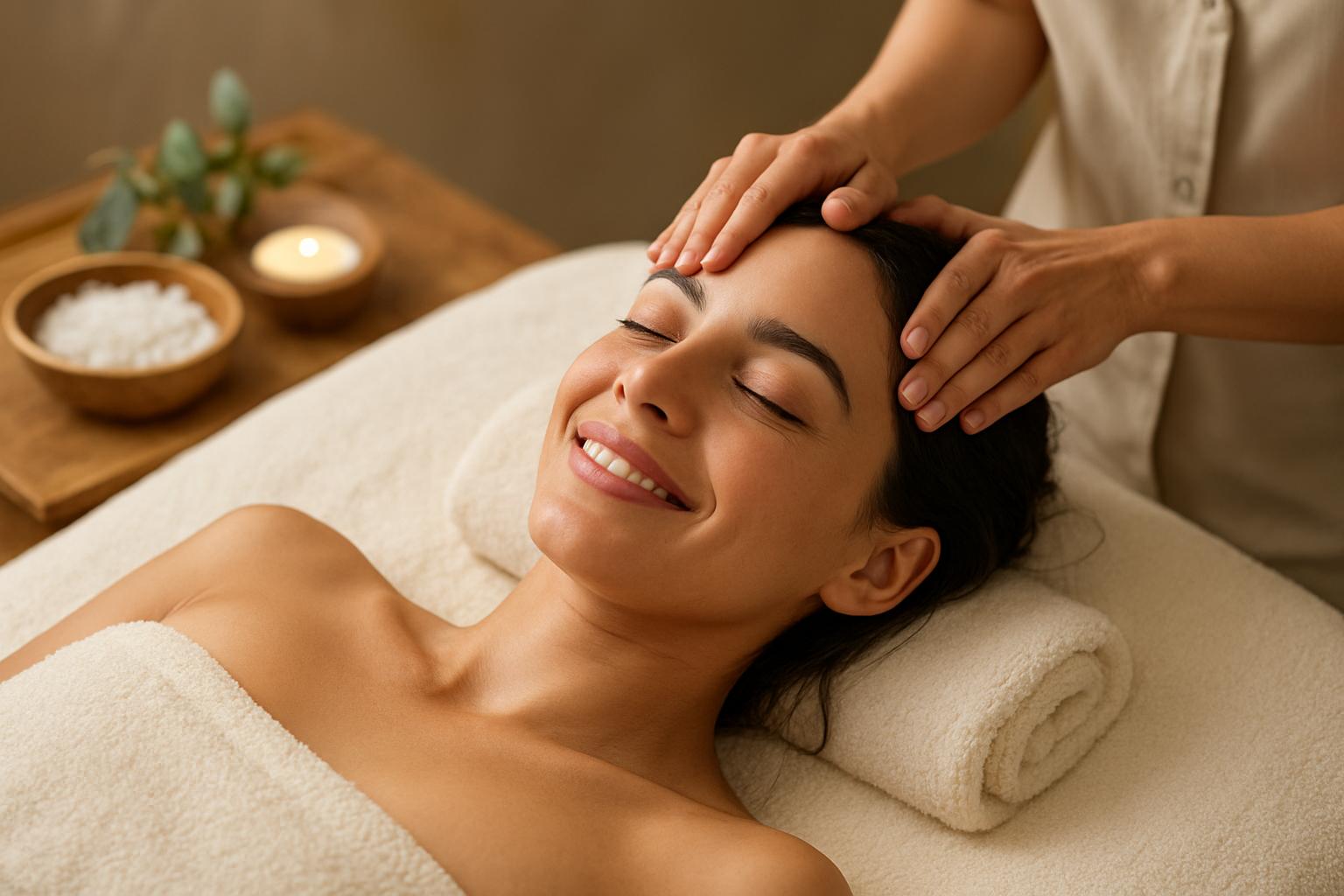
Many spas offer legitimately restorative conclusions to treatments that are non-sexual yet deeply satisfying. A scalp massage, extended foot ritual, warm oil application to hands and forearms, aromatherapy wrap, or a guided breathing cooldown can all create a sense of closure and bliss without compromising ethics or legality. These rituals are designed to extend the parasympathetic response—slowing the heart rate, easing muscle tension, and promoting a calm mind.
DIY closing rituals to try at home
- Five minutes of guided breathwork after a self-massage.
- Warm compress on the neck and shoulders for ten minutes.
- Foot soak with Epsom salts and a gentle rub, followed by moisturizer.
- Short meditation or listening to a favorite calming track to seal in the relaxation.
When a spa crosses the line: safety and reporting
If you encounter illicit services being advertised or offered, report it to the spa’s management first—if it’s safe to do so. If management is complicit or the situation makes you uncomfortable, contact local authorities or the licensing board for massage therapists in your area. In cases where trafficking or coercion is suspected, alert law enforcement immediately and consider contacting organizations that assist trafficking victims. Your report can protect staff and future clients.
Making an informed choice
Visiting a spa should be a predictable, respectful experience that leaves you rested and safe. Do a little homework: read reviews, check licenses, ask about draping and professional membership, and trust instincts. Conversations that begin with ambiguous phrases like «happy ending» are best answered with clear questions: «What exactly does that include?» If the answer is evasive or sexualized, walk away. There are countless legitimate ways to end a spa treatment that honor both your comfort and the therapist’s professionalism.
Quick checklist before booking
- Verify license and certifications online or at the front desk.
- Confirm treatment descriptions and what is included in the price.
- Ask about draping practices and privacy.
- Read recent client reviews for consistency and safety concerns.
- Bring your questions—good spas welcome them.
Final reflections
The phrase «happy ending» will keep surfacing in conversations and media, but for anyone seeking real wellbeing, it’s a distraction from what spas do best: offer professional care that restores and renews. Choose providers who prioritize clear communication, consent and credible practice. You’ll be rewarded with something far more sustainable than a gossip-worthy moment—true rest, reduced tension, and the quiet pleasure of being cared for in a safe, respectful space.
Conclusion: Words and rumors can muddy an otherwise simple pleasure. If you want to leave a spa feeling uplifted, focus on reputable establishments, clear communication, and boundaries that protect both you and the therapist; when services are transparent and professional, the most meaningful «ending» is the calm, renewed feeling that stays with you for hours or days afterward.