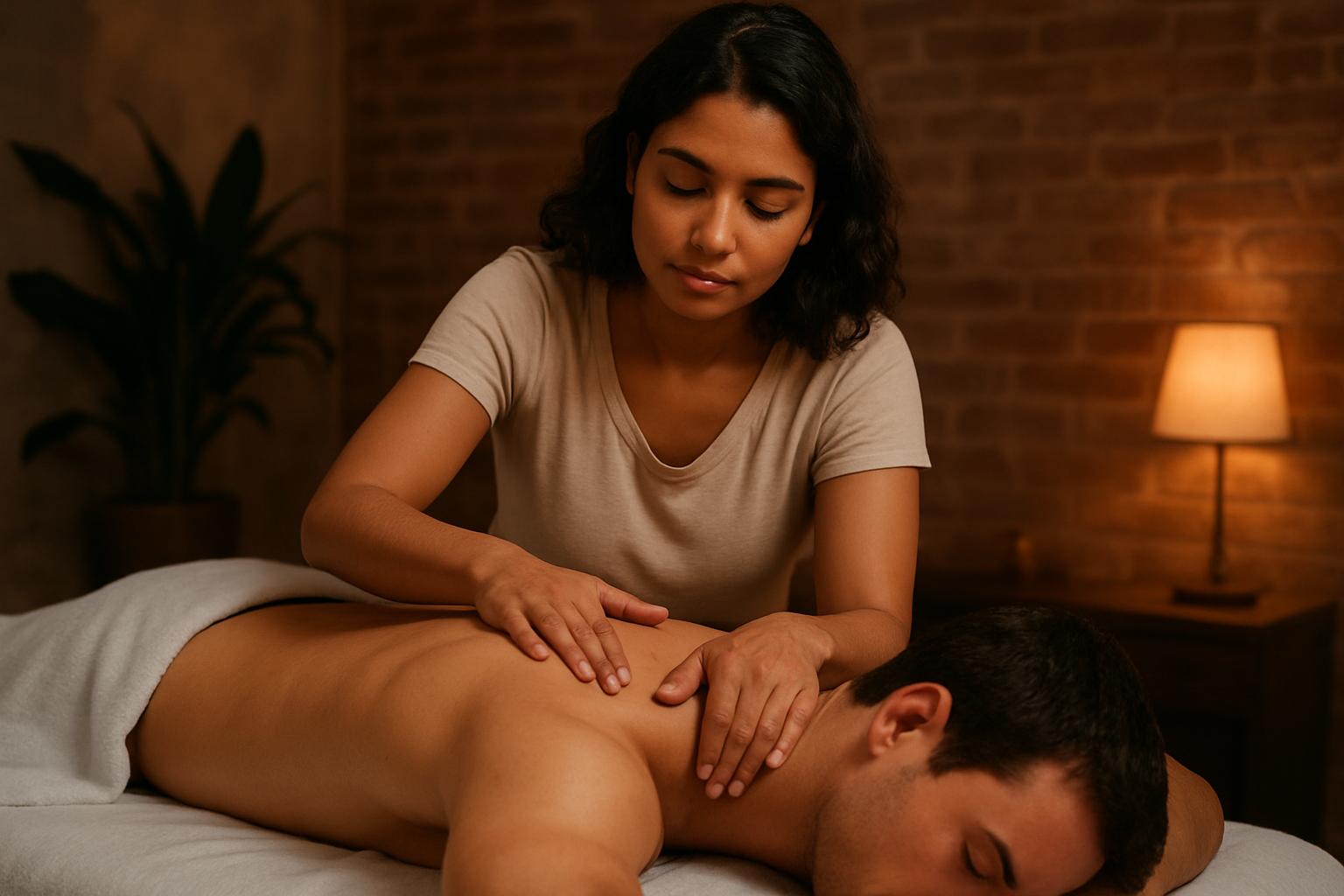

A New York minute: walking into calm
You step off a rattling subway into a rush of voices and neon, the city folding around you like a busy tide. Ten blocks later your shoulders still buzz with tension. Then you push open a narrow studio door and the world softens—low light, the faint scent of eucalyptus, someone asking a few practical questions before a warm set of hands begin to unknot you. That small relief, that purposeful pause, is what adult massage in NYC offers: a practical, professional reset tailored to people who need relief more than frills.
Types of massage you’ll find around the city
New York’s massage scene is a mosaic. From high-end hotel spas to neighborhood clinics and therapists who make house calls, each venue emphasizes different techniques. Knowing the major styles helps you pick the right session for your body and schedule.
Common modalities explained
- Swedish: Gentle, rhythmic strokes for relaxation and circulation—ideal as an introduction or a de-stress session.
- Deep tissue: Firmer pressure targeting chronic muscle knots and tension—best when you want structural relief.
- Sports massage: Focused on muscle recovery, range of motion, and pre/post-event prep—favored by runners and cyclists.
- Shiatsu and acupressure: Finger pressure along energy lines for balance and localized release, blending physical and energetic approaches.
- Hot stone: Heated stones applied to warm tissues and melt tightness—often paired with Swedish techniques for comfort.
- Reflexology: Foot-focused work that maps reflex points to other body systems—great as a complement, not a replacement, for full-body work.
Quick comparison table
| Modality | Primary goal | Best for | Session length (typical) |
|---|---|---|---|
| Swedish | Relaxation, improved circulation | First-timers, stress relief | 30–90 minutes |
| Deep tissue | Chronic tension, adhesions | Stiff shoulders, neck/back pain | 45–90 minutes |
| Sports | Performance, recovery | Athletes, active lifestyles | 30–90 minutes |
| Shiatsu/Acupressure | Energy balance, localized release | People open to integrative methods | 45–60 minutes |
| Hot stone | Heat-assisted relaxation | Muscle tightness + comfort seekers | 60–90 minutes |
Where to go: neighborhoods, venues, and what each offers
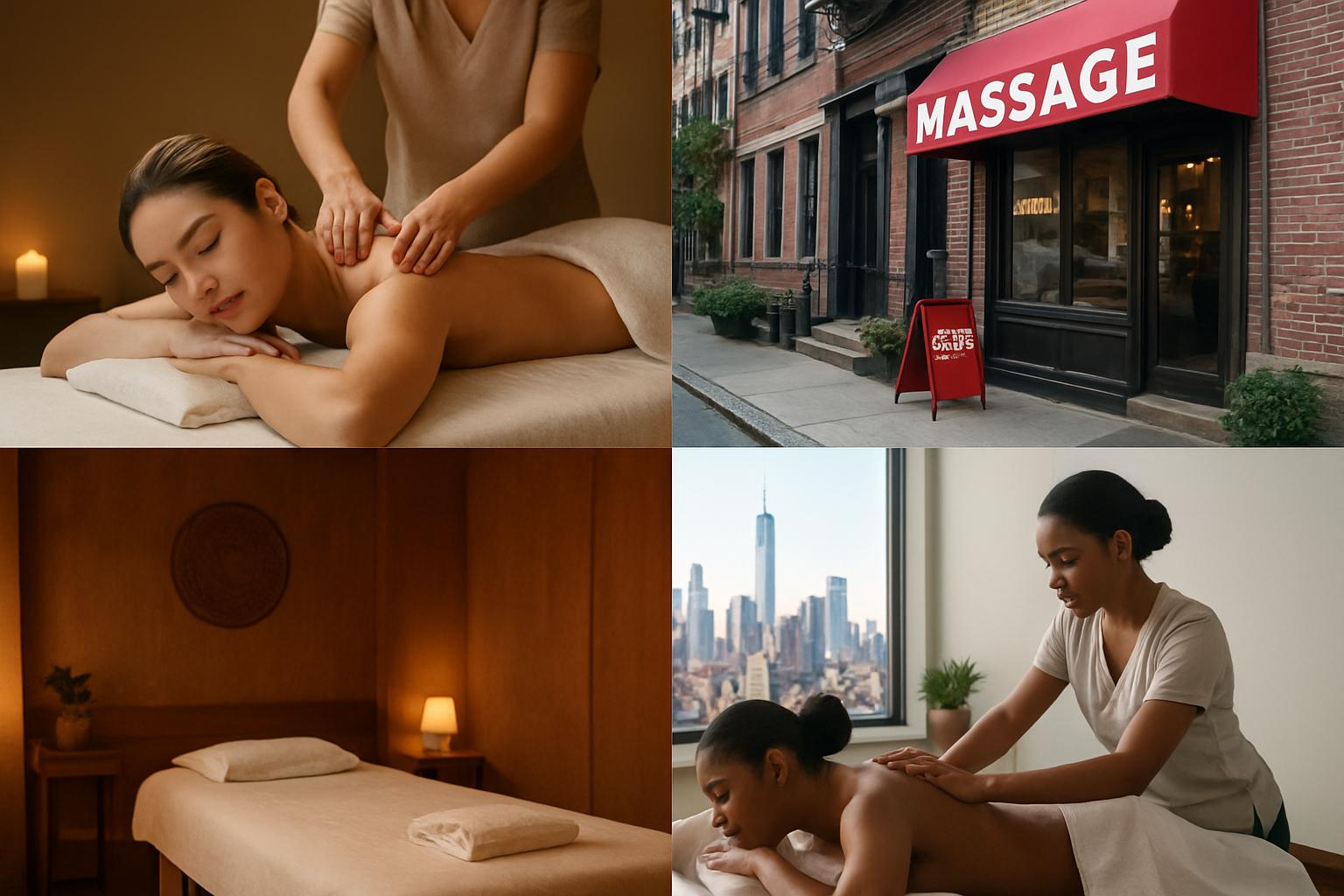
Every borough has its flavor. Manhattan’s luxury hotels and boutique studios cater to clients who want a polished experience. Brooklyn offers intimate, community-oriented spaces with therapists who blend modalities. Queens and the Bronx deliver practical neighborhood clinics and therapists who often double as physical-therapy partners. The range is wide by design: choose formality or familiarity depending on what you need.
Venues and their pros
- Luxury hotel spas: High-end amenities, consistent standards, good for combining treatments (facials, sauna) with massage.
- Boutique studios: Personalized service, often therapist-owned with focused specialties.
- Medical or sports clinics: More clinical, often integrated with physical therapy or chiropractic care—good for injury rehab.
- Mobile therapists: Bring the session to your home or hotel—useful when travel or a busy schedule makes getting out difficult.
- Community wellness centers: Sliding-scale options, workshops, and regular practitioners who build long-term client relationships.
How to choose a therapist: credentials, questions, and red flags
Pick someone who matches both your body and your boundaries. The best professionals listen well and explain clearly; they alter pressure, focus, and aftercare advice to suit you.
Checklist before booking
- Look for training from established schools and membership in professional organizations like the AMTA or ABMP.
- Ask about experience with your specific issue (e.g., rotator cuff problems, sciatica, prenatal care).
- Confirm policies: cancellation, late arrival, and privacy.
- Request CPR or first-aid certification if you have significant medical concerns.
- Check reviews but read for substance—look for comments about professionalism and communication, not just ambiance.
Red flags
- Unwillingness to discuss credentials or techniques.
- Pressure to add sexual services or vagueness about boundaries—professional therapists maintain clear limits.
- Dirty or unsafe premises, lack of clean linens, or refusal to use new supplies where appropriate.
Practicalities: booking, cost, tipping, and the session flow
Knowing the small logistics ahead of time makes the whole experience smoother. A few simple steps will save you time and set expectations.
Booking and price expectations
- Reserve in advance for evenings and weekends; many shops fill up with commuters seeking after-work care.
- Typical price ranges in NYC vary widely: neighborhood clinics and chains often start around $80–$120 for 60 minutes; boutique and hotel spas commonly range $120–$250 for an hour, depending on location and therapist seniority.
- Packages and memberships can lower per-session cost if you plan regular visits.
Session flow: what usually happens
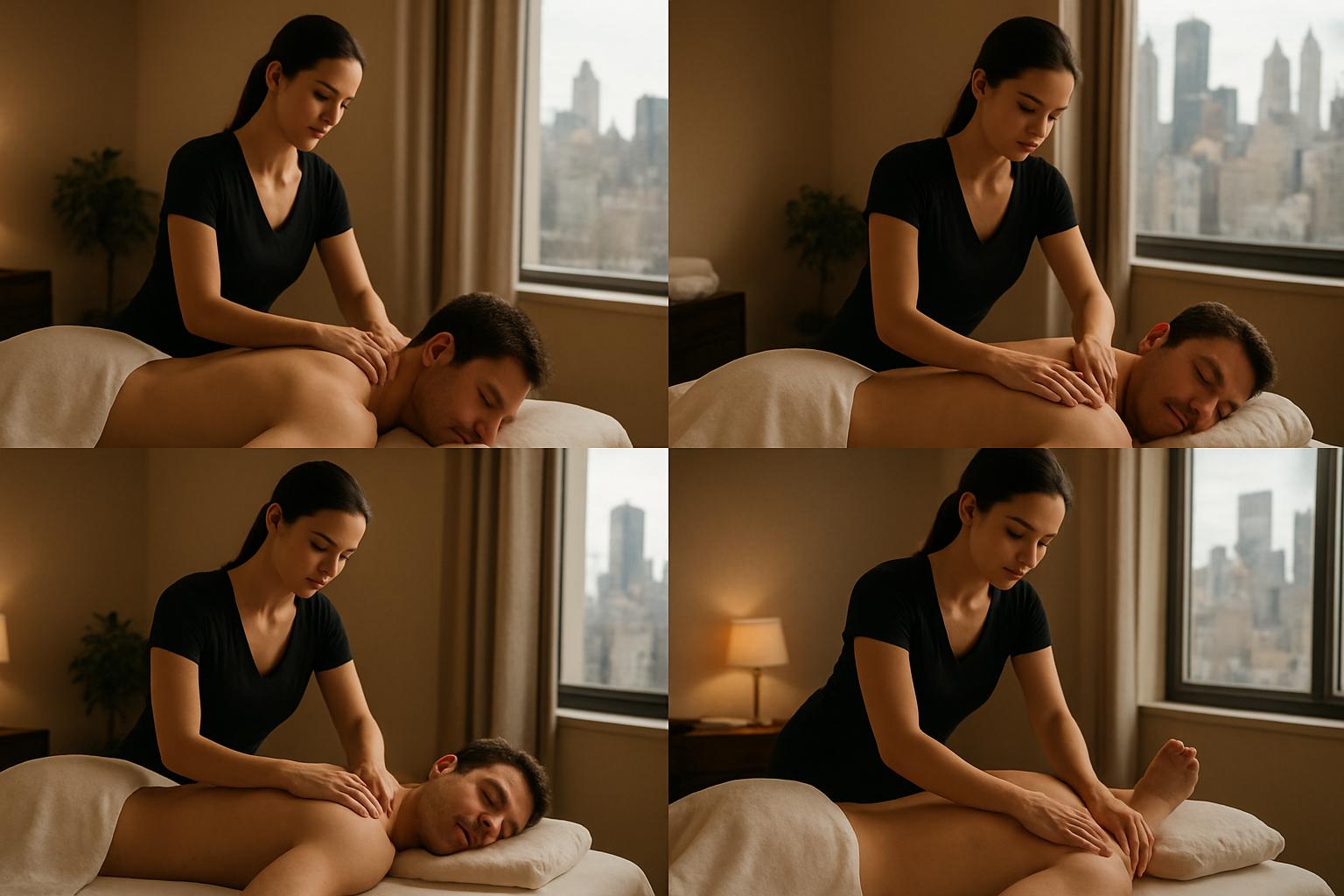
- Intake: short health form plus verbal check-in about areas of concern.
- Setting the scene: you undress to your comfort level and lie on the table; draping is always used to maintain privacy.
- Pressure check: therapists typically ask about pressure and adjust; speak up if you need it lighter or firmer.
- Aftercare: water, stretching tips, and follow-up suggestions—many therapists offer brief at-home care advice.
Tipping and etiquette
- Tipping is customary; 15–25% is typical in NYC but adjust to quality and complexity of the service.
- Communicate health issues—meds, surgeries, pregnancy—before the session begins.
- If something feels off during the massage, pause and tell the therapist immediately.
Safety, legality, and maintaining professional boundaries
Massage is a licensed, regulated profession in many parts of the country; in practice, it’s a blend of health care and personal service with clear professional norms. Insist on professionalism and documentation when needed.
Protecting yourself
- Confirm the therapist’s qualifications and the business’ contact information ahead of time.
- Use reputable platforms or referrals rather than pop-up ads; word-of-mouth often reveals who maintains strong boundaries.
- Trust your instincts—if something feels unprofessional, end the session and report the business to consumer authorities if necessary.
Making massage part of a smart self-care routine
Massage is most effective when paired with sensible habits. Small practices between sessions extend the benefits and reduce the need for emergency fixes.
Simple at-home habits
- Hydrate and sleep well after sessions to help tissue recovery.
- Short daily mobility work—foam rolling, gentle stretches, or a 10-minute yoga routine—keeps muscles limber.
- Regular appointments spaced for your needs: athletes might benefit from weekly sessions, while a stressed office worker may prefer biweekly or monthly maintenance.
Finding the right fit: a short action plan
- Decide your goal: stress relief, pain management, or athletic recovery.
- Choose the setting that matches: hotel spa for full-service comfort, clinic for clinical needs, mobile if you can’t travel.
- Call and ask two direct questions: “What are your main certifications?” and “How do you approach X (your issue)?” If answers are clear and specific, book.
- Schedule a follow-up or share feedback—good therapists adapt and build a plan with you.
Conclusion
Adult massage in NYC isn’t a one-size-fits-all luxury; it’s a practical, often essential toolkit for people juggling careers, commutes, and everyday strain. Whether you want a soothing Swedish session after a frantic week, deep-tissue work for a stubborn injury, or a mobile therapist to meet you at your apartment, the city’s options are vast—so use clear questions, trusted referrals, and the simple logistics above to find a therapist who respects your body and your boundaries; book a short session, pay attention to how your body responds, and let that sensible routine become the small, steady repair that helps you move through the city with less pain and more ease.