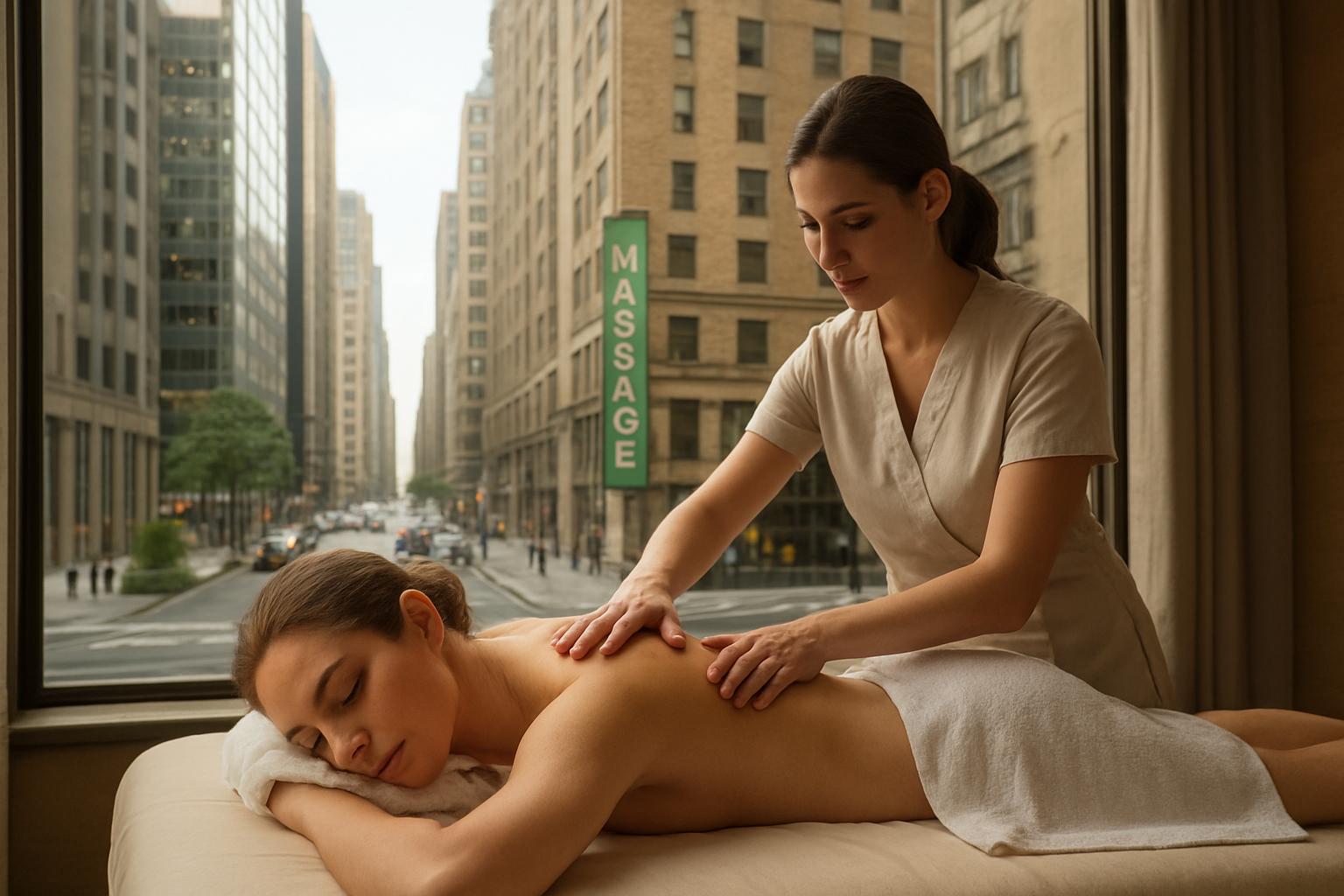

You step off the subway, the noise and pace pressing in, and then you see the narrow sign tucked between a coffee shop and a bike shop: a calm space waits upstairs. That brief decision—to go in—can turn a frantic midday into a quiet, recoverable afternoon. This guide will help you spot those sanctuaries, choose the right therapist, and get the most from every treatment when you’re hunting the best massage downtown.
Why a Downtown Massage Feels Different
Downtown clinics and studios develop their own rhythm. They’re geared for people who are time-pressed, commuting, or squeezing wellness into a lunch break. That changes everything: appointment windows are tighter, services often focus on quick effectiveness, and therapists learn to deliver deep results in shorter sessions. The result is a pragmatic, polished experience designed to restore function and calm quickly.
The downtown atmosphere: practical and polished
Unlike spa resorts with long rituals, downtown spots emphasize efficiency: crisp booking platforms, clear price lists, and therapists trained for repeat clients. You’ll notice fewer candles and more ergonomic chairs, more focus on targeted techniques—neck, shoulders, and lower back—because that’s where city life tends to concentrate tension.
Common Types of Massage You’ll Find Downtown
Most downtown studios offer a range of modalities. Choosing among them depends on what you want to get out of your session: relaxation, recovery, or rapid pain relief.
Swedish Massage
Gentle, fluid strokes that increase circulation and promote relaxation. Great for first-timers and those seeking stress relief without intense pressure.
Deep Tissue
Slower, firmer techniques that target deeper muscle layers. Effective for chronic tension and areas that need more than surface-level work.
Chair Massage
A short, fully clothed session focused on the upper body. Ideal for office workers or a quick reset during a busy day.
Sports and Therapeutic Massage
Tailored to athletes or those with specific injuries; often includes stretching, mobilization, and focused work on problem areas.
Other Options
Hot stone, Thai, and cupping sometimes appear on downtown menus—but availability varies. Ask ahead if you have a particular preference.
| Type | Typical Pressure | Main Benefits | Typical Session Length | Price Range (per session) |
|---|---|---|---|---|
| Swedish | Light–Medium | Relaxation, circulation | 30–60 minutes | $50–$120 |
| Deep Tissue | Firm | Chronic tension relief | 45–90 minutes | $70–$140 |
| Chair | Medium | Quick upper-body release | 10–30 minutes | $20–$60 |
| Sports/Therapeutic | Varies | Injury recovery, performance | 45–90 minutes | $80–$160 |
How to Choose the Best Massage Downtown
Finding the right place is less about a fancy façade and more about trustworthy signals: clean facilities, clear policies, licensed therapists, and transparent pricing. Here’s a practical checklist for evaluating options quickly.
Essential criteria
- Licensing and credentials: Check whether therapists list certifications and state licensing.
- Reviews and word of mouth: Look for consistent feedback about professionalism, not just praise for decor.
- Specialty matches: If you need sports therapy or prenatal care, find a studio that advertises those specialties.
- Cleanliness and privacy: Changing areas, linens, and treatment rooms should feel hygienic and private.
- Booking ease and cancellation policy: Downtown schedules fill fast—transparent policies help avoid surprises.
Questions to ask before booking
- What modalities do your therapists specialize in?
- Will I have the same therapist each visit?
- Are prices per therapist level or length of session?
- Do you offer short sessions for lunch-hour appointments?
- What is your COVID-19 or health-safe protocol currently?
Red flags to watch for
A website with no staff bios, opaque pricing, or pushy upselling are signs to walk away. Also be cautious if a studio minimizes boundaries—therapists should always ask about comfort and health history and explain consent clearly.
Practical Tips for Getting the Most from Your Downtown Massage
Small choices before and after a session amplify results. Think of a massage as a timed intervention that’s most effective when you prepare and follow through.
- Book timing strategically: Aim for mid-morning or mid-afternoon to avoid rushing from work.
- Hydrate before and after: Massage mobilizes fluids and toxins; water supports recovery.
- Arrive 10–15 minutes early: Use the time to fill intake forms and calm your breathing.
- Communicate: Tell the therapist about any injuries, recent surgeries, or sensitive areas.
- Plan light activity afterward: Avoid cramming strenuous exercise directly after a deep session.
- Tipping and payment: Many downtown spots accept cards and expect a 15–20% gratuity unless stated otherwise.
What to bring
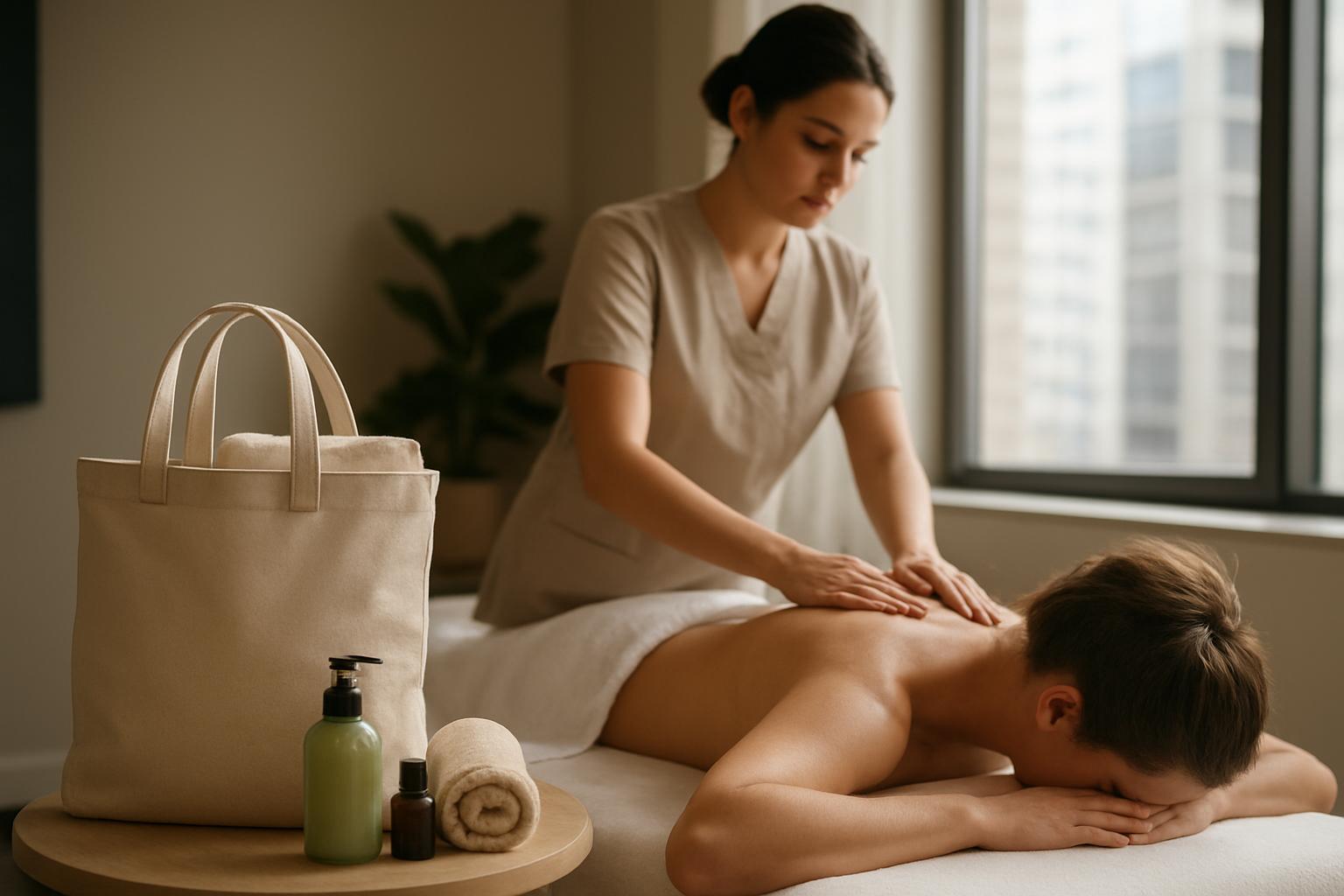
- ID and card for payment
- Loose clothing to wear home
- A short note of your medical history if it helps you remember key points
- Noise-cancelling headphones if you prefer to control the sound environment
What to Expect During and After the Massage
Most downtown sessions follow a predictable arc: intake, adjustment of pressure and focus, the treatment itself, and a short debrief. The intake is when you can steer the session—be explicit about chronic sore spots or whether you prefer less conversation. Afterward, therapists often give quick aftercare tips like stretches or when to schedule a follow-up.
Short-term reactions
Feeling relaxed, sleepy, or a light soreness in treated muscles is normal—these usually ease within 24–48 hours. If pain intensifies or you notice unusual swelling, contact the studio or your healthcare provider.
Budgeting and Saving Without Sacrificing Quality
Downtown doesn’t automatically mean expensive. Many studios offer efficient options that fit a tighter schedule and wallet.
- Lunchtime express sessions: 20–30 minute chair or table sessions targeted at shoulders and neck.
- Memberships and packages: Prepaid sessions lower the per-visit cost and encourage consistency.
- Corporate partnerships: Some employers partner with studios to subsidize workplace wellness.
- First-time specials: Introductory rates can be a low-risk way to test a therapist.
Finding the Right Therapist: Fit Matters More Than Fame
Therapeutic rapport is the largest predictor of satisfaction. A highly trained therapist who listens and adjusts can outperform a famous practitioner who follows a one-size-fits-all routine. Think of your first visit as an interview: does the therapist check in, ask about pressure, and adjust? If yes, you’ve likely found a good fit.
Trial and adjustment
Don’t expect perfection on the first visit. Ask for so-called “tune-ups”—shorter sessions that let you trial a therapist’s technique. Track what worked and what didn’t, then request adjustments on your next appointment.
Short Stories from the Midday Chair
In one downtown studio, a financial analyst booked a 30-minute chair massage between meetings and returned to a tense team presentation with shoulders looser and a clearer head. Across town, a cyclist used a series of deep-tissue sessions to work through a persistent iliotibial band issue; the therapist combined soft tissue work and targeted stretching to restore range of motion. These vignettes show the variety of needs downtown studios address—quick resets, injury management, and ongoing maintenance—and how targeted visits stack into real improvements.
Checklist: Quick Guide to Booking the Best Downtown Massage
- Confirm therapist licenses and specialties.
- Read several recent reviews; look for patterns, not single comments.
- Verify pricing, session length, and cancellation policy before booking.
- Choose a modality that matches your goal—relaxation vs. targeted rehab.
- Arrive early, communicate clearly, and hydrate.
- Schedule follow-ups based on the therapist’s recommendation for lasting benefit.
Finding the best massage downtown is a practical search as much as a sensory one: look for clarity and consistency—clear policies, professional therapists, and spaces that respect time and privacy. Start with a short session to test fit, communicate your needs, and use packages or lunchtime appointments if your schedule demands compact solutions. With a little intention you can turn that small decision at the subway entrance into a reliable reset that keeps city life livable and your body tuned.