
Outline
- What «body-to-body» massage means in contemporary Manhattan
- Historical and cultural context
- Types, techniques, and how they differ from traditional massage
- Benefits, risks, and medical considerations
- How to find reputable providers and questions to ask
- What to expect during a session and etiquette
- Costs, legal landscape, and safety checklist
- Stories from Manhattan and DIY options
- Resources for learning and a concise conclusion
What «body-to-body» massage means in contemporary Manhattan
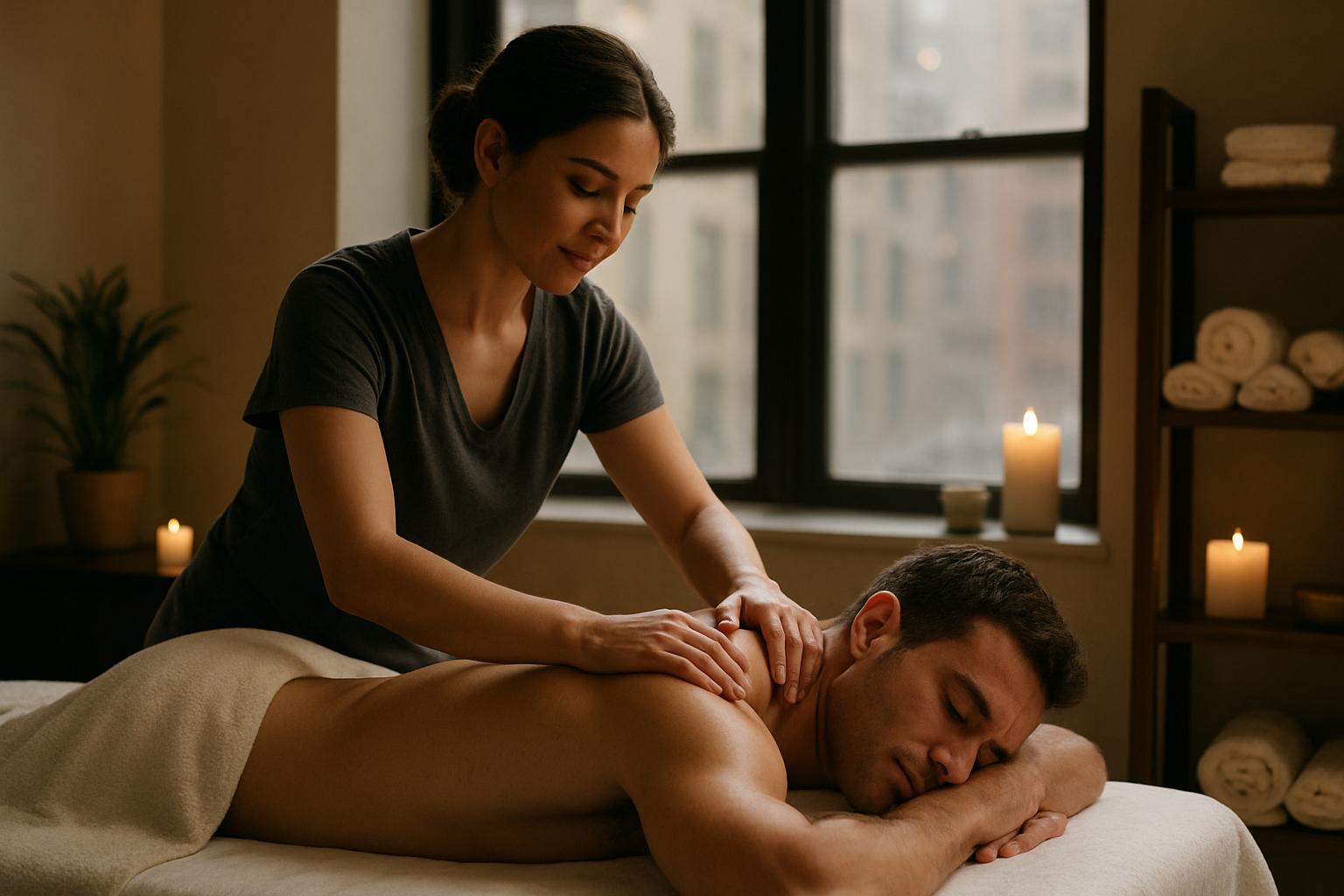
Ask five people in Manhattan what «body-to-body massage» is and you’ll likely get five slightly different answers. Broadly, the term describes a style of massage where the practitioner uses their own body—arms, torso, legs and sometimes chest—to make contact with the client, rather than relying solely on hands and forearms. That close contact can enhance warmth, pressure feedback, and a sense of attunement between giver and receiver.
It’s important to separate the technique from expectation. Some practitioners offer body-to-body work as a therapeutic modality—focused on easing muscle tension, improving circulation, and promoting relaxation—while others present it as a more sensual or intimate experience. In Manhattan, where luxury spas, independent studios, and unregulated offers intermingle, clarity up front is essential.
Origins and cultural context
Body-to-body techniques borrow from several traditions. Elements come from Thai massage’s full-body contact, the enveloping strokes of certain European spa practices, and sensual practices developed in Eastern tantric lineages. Historically, many cultures used full-body touch within healing contexts; what changes in a modern city is the setting, the language used to market the service, and the regulations that govern it.
In Manhattan’s wellness market, a premium is placed on novelty and experience. That has driven innovation—some spaces emphasize sensory elements (warm oil, music, aromatherapy) while others focus on the therapeutic mechanics: weight distribution, sliding pressure, and deliberate movement over large muscle groups. Awareness of these differing priorities helps a client choose a session aligned with their goals.
Types and variations you might encounter
Not every «body-to-body» session looks the same. Practitioners adapt technique to purpose and training. Below is a practical table comparing common approaches you’ll find across Manhattan’s spas and studios.
| Approach | Main features | Typical intentions | Who it suits |
|---|---|---|---|
| Therapeutic body-to-body | Skin-to-skin or over light clothing; practitioner uses torso/leg weight to apply steady pressure | Reduce muscle tension, improve circulation, address specific pain points | Clients seeking deep relaxation or relief from chronic tension |
| Sensory or spa-style | Focus on rhythm, warmth, oils, and sensory stimulation; often in luxury environments | Promote relaxation and sensory pleasure | Clients wanting pampering and stress release |
| Nuru-inspired | Uses slippery gel; extended sliding contact; often performed on a low surface | Sensory connection and skin-to-skin sliding | Those seeking full-contact sensory sessions (note: explicit services vary by provider) |
| Couples or partner sessions | Two practitioners or mutual exchanges; emphasis on communication and shared experience | Enhance intimacy, improve communication, shared relaxation | Partners looking for a joint wellness experience |
| Hybrid clinical sessions | Blends manual therapy (trigger point, myofascial) with body-to-body positioning | Therapeutic rehabilitation and pain management | Those with specific musculoskeletal issues |
Small technical notes on technique
Practitioners learn to use body weight rather than brute force. A well-executed body-to-body stroke is efficient: a rolling, gliding contact that distributes pressure evenly across a muscle group. That makes it easier to address larger surface areas—back, thighs, shoulders—without fatiguing the practitioner’s hands. Draping, where the client is covered with sheets except for the area being worked, maintains dignity and warmth. Communication is constant: a client should always be invited to give feedback on pressure and comfort.
Benefits people report—and what science says
Supporters of body-to-body work talk about deep relaxation, decreased pain, improved mobility, and a tighter mind-body connection. Physiologically, longer, consistent pressure can stimulate circulation and lymphatic flow, reduce muscular guarding, and trigger parasympathetic responses (the “rest and digest” mode) that lower heart rate and blood pressure.
Clinical research on body-to-body specifically is limited. However, evidence for massage in general shows benefits for stress reduction, muscle soreness, and short-term pain relief. When a technique uses broader surface strokes and sustained pressure, it can mimic the effects of slow, restorative massage—so the reported advantages are consistent with what we know about touch and somatic therapies.
Risks and contraindications
- Skin concerns: rashes, open wounds, or contagious skin conditions mean a session should be postponed.
- Circulatory issues: people with deep vein thrombosis or certain cardiovascular conditions should consult a physician before booking.
- Allergies: oils, gels, and lotions can trigger reactions. Patch testing or asking about ingredients is wise.
- Boundary confusion: close contact requires clear consent and communication. Any discomfort or pressure beyond comfort is a red flag.
How to find a reputable body-to-body massage provider in Manhattan
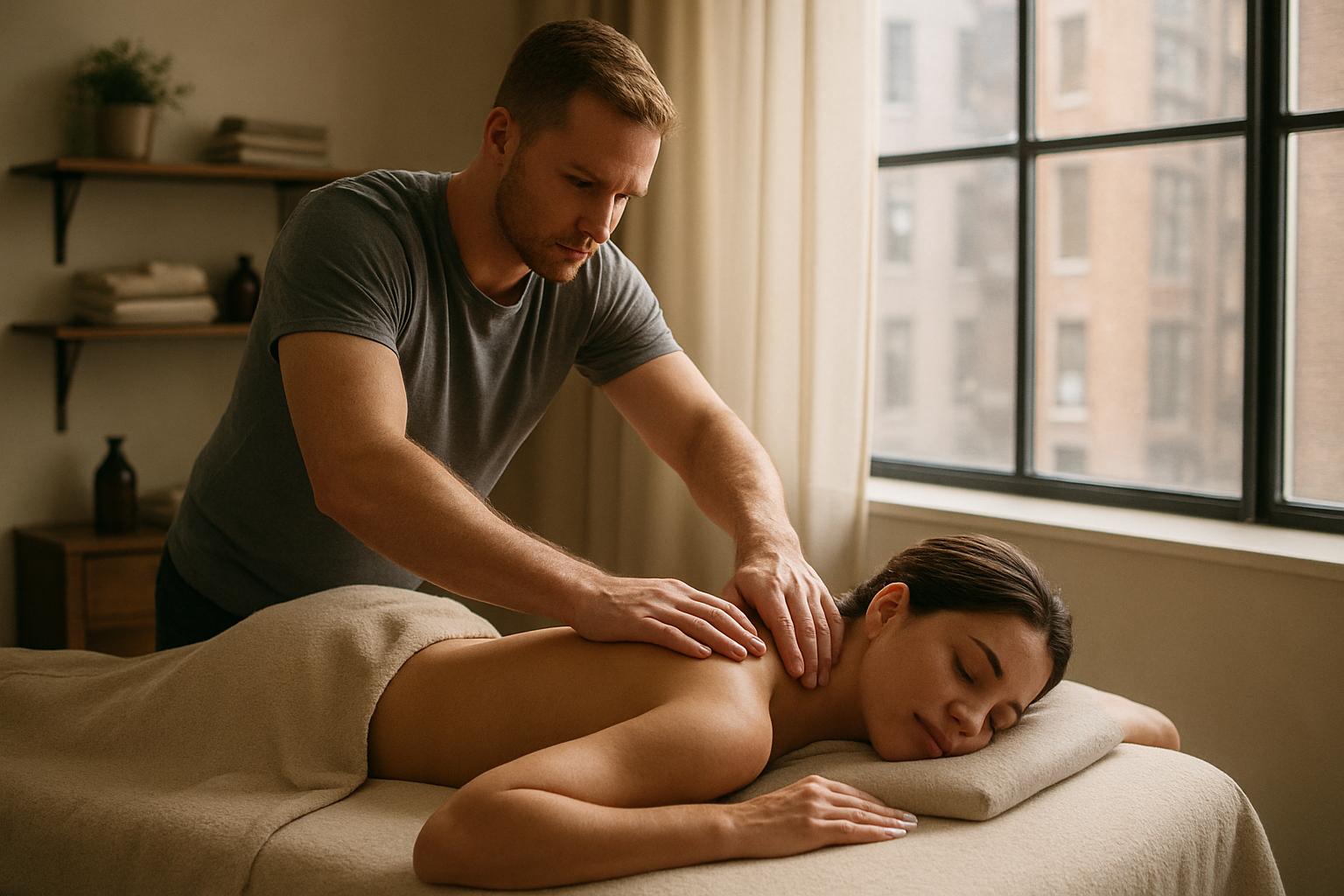
Manhattan is a patchwork of licensed clinics, boutique spas, day spas, and independent practitioners. To find someone reputable, prioritize transparency. Look for clear descriptions of what the session includes, practitioner qualifications, and cancellation/refund policies.
Practical sources and methods
- Licensed spa websites with staff bios and certifications.
- Professional associations (e.g., state or national massage therapy boards) that list practitioners.
- Reviews on trusted platforms—but read critically; look for details about professionalism and communication rather than vague praise.
- Referrals from a trusted healthcare provider, friend, or therapist.
Questions to ask before you book
- What exactly does this session involve? Is it skin-to-skin or over a barrier?
- Is the practitioner licensed in massage therapy? Do they carry liability insurance?
- How do you handle boundaries and consent during a session?
- Do you have experience with my specific needs (e.g., chronic back pain, postural issues)?
- What are your sanitation practices regarding linens, oils, and surfaces?
What to expect during a session
Preparation starts before you arrive: hydrate, wear comfortable clothing, and plan to be relaxed rather than rushed. When you enter a reputable Manhattan studio you’ll typically complete an intake form including medical history and goals for the session. The practitioner will describe the session, confirm consent, and discuss any areas to avoid.
During the massage you may be asked to undress to your comfort level and lie on the table. Good practitioners drape the client so only the area being worked is exposed. Communication matters: you should be invited to speak up about pressure, warmth, or discomfort. After the session there’s usually a brief check-in to discuss any sensations and self-care recommendations such as hydration or gentle stretching.
Mind the signals
A fine line exists between strong therapeutic pressure and discomfort. Sharp pain, burning, or numbness are signals to stop. Emotional responses—unexpected tears, for example—can occur during intimate touch; a skilled practitioner will acknowledge and adapt rather than push on. If anything feels off, you have the right to request a different technique, a pause, or to end the session.
Etiquette, consent, and safety
Respect is central. Etiquette includes arriving on time, turning off your phone, and communicating preferences. Consent is active: both parties should discuss boundaries before and during the session, and the practitioner should check in regularly.
- Tipping: In Manhattan, tipping between 15–25% is common, depending on the venue and your satisfaction.
- Boundaries: Practitioners must explain where they will touch and what’s appropriate to expose. If that isn’t explained, ask.
- Privacy: Reputable facilities have private rooms, soundproofing, and clear policies on client confidentiality.
Costs, duration, and typical packages
Prices vary widely in Manhattan. Luxury spas on the Upper East Side will charge more than neighborhood clinics; independent therapists may be less expensive but check credentials. Sessions commonly run 60, 90, or 120 minutes.
| Service | Typical duration | Typical price range (Manhattan) | Notes |
|---|---|---|---|
| Standard body-to-body (therapeutic) | 60–90 minutes | $120–$250 | Licensed therapist, clinic setting |
| Luxury or spa-style session | 90–120 minutes | $200–$400+ | Includes extras—aromatherapy, hot stones |
| Couples or partner session | 60–120 minutes | $250–$600 | Two practitioners or shared experience |
| Independent practitioner | 60–90 minutes | $80–$180 | Costs vary based on experience and setting |
Legal and regulatory landscape in Manhattan
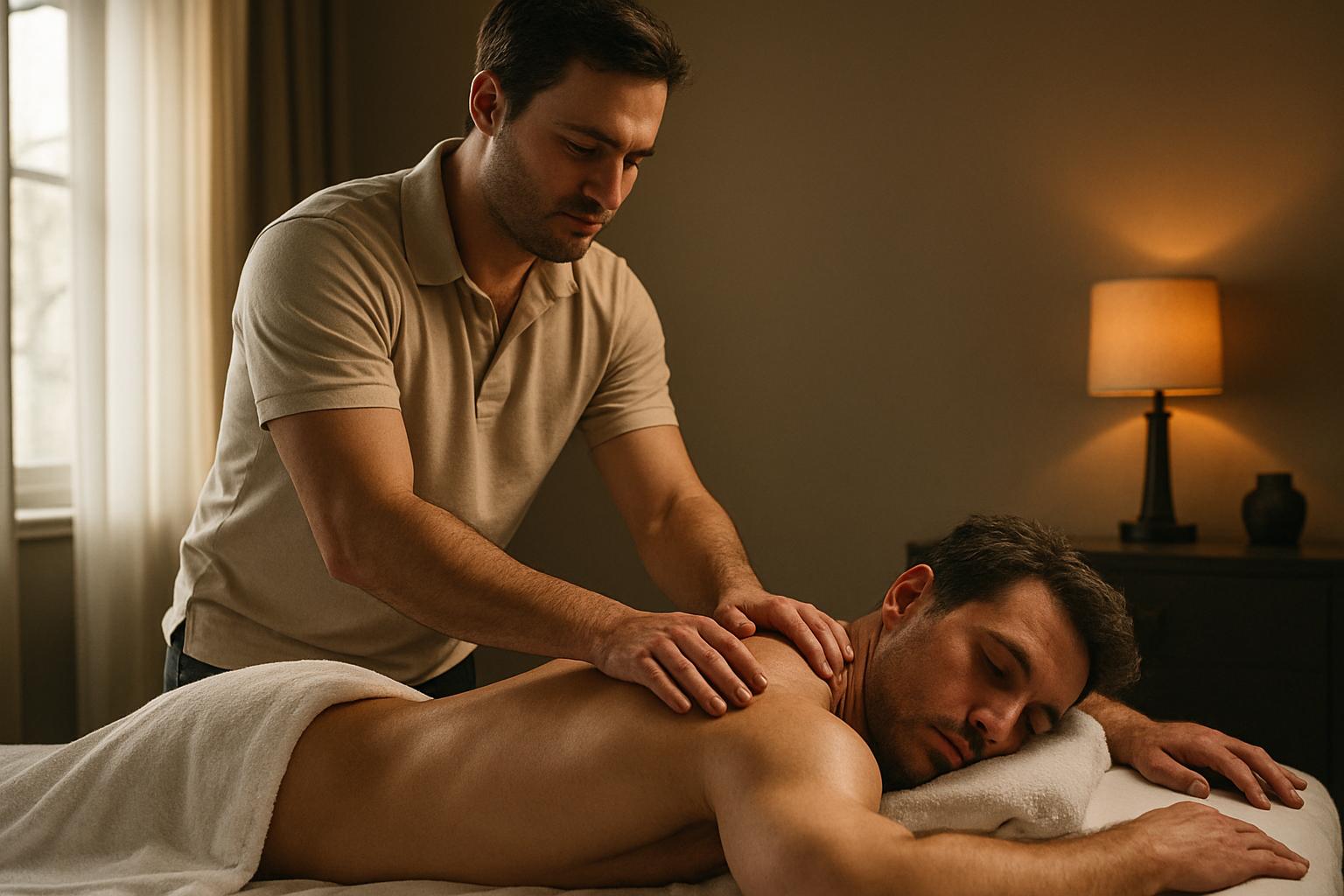
New York City regulates massage therapy to protect public health. Practitioners should be licensed where required, and reputable studios will post certifications or license numbers. Laws vary when a service includes sexual elements; any activity that crosses into sexual services is governed by different statutes, and it’s important to know the difference between therapeutic bodywork and services that are sexual in nature. For clients, choosing licensed providers reduces the risk of unprofessional conduct and improves the chances that proper sanitation and safety practices are followed.
Practical legal tips
- Verify licenses when possible. New York State and NYC provide resources for licensed health providers.
- Avoid practitioners who insist on cash-only and no receipts; transparency is a sign of professionalism.
- If something feels illegal or coercive, end the session and report it to authorities.
Real Manhattan stories (composite, anonymized)
These short, composite vignettes illustrate how varied the experience can be.
The overworked editor
Jamie, an editor in their thirties, booked a 90-minute therapeutic body-to-body session after months of sitting at a desk. The practitioner used long, rolling strokes with warm oil, applying steady pressure from the practitioner’s forearm and torso along the back and hips. Jamie left feeling less hunched, clearer in the neck, and surprised by how much tension dissipated simply from broad, sustained contact.
The couple rebuilding connection
Lina and Marcus tried a couples’ session after a cycle of miscommunication. They chose a studio that offered parallel tables and a practitioner guidance model: practitioners blocked time to teach partners simple, respectful body contact techniques. The session wasn’t about eroticism but about relearning nonverbal care. They reported feeling more attuned and less defensive afterward.
The skeptical athlete
Rafael, a recreational runner, was skeptical about anything beyond sports massage. He booked a hybrid session with a practitioner who combined body-to-body weight distribution with myofascial release. The larger contact area allowed the therapist to address his tight hamstrings more evenly without painful finger pressure. Rafael noticed improved range of motion the next day and began to integrate that modality into recovery.
Home practice: safe DIY body-to-body techniques for couples
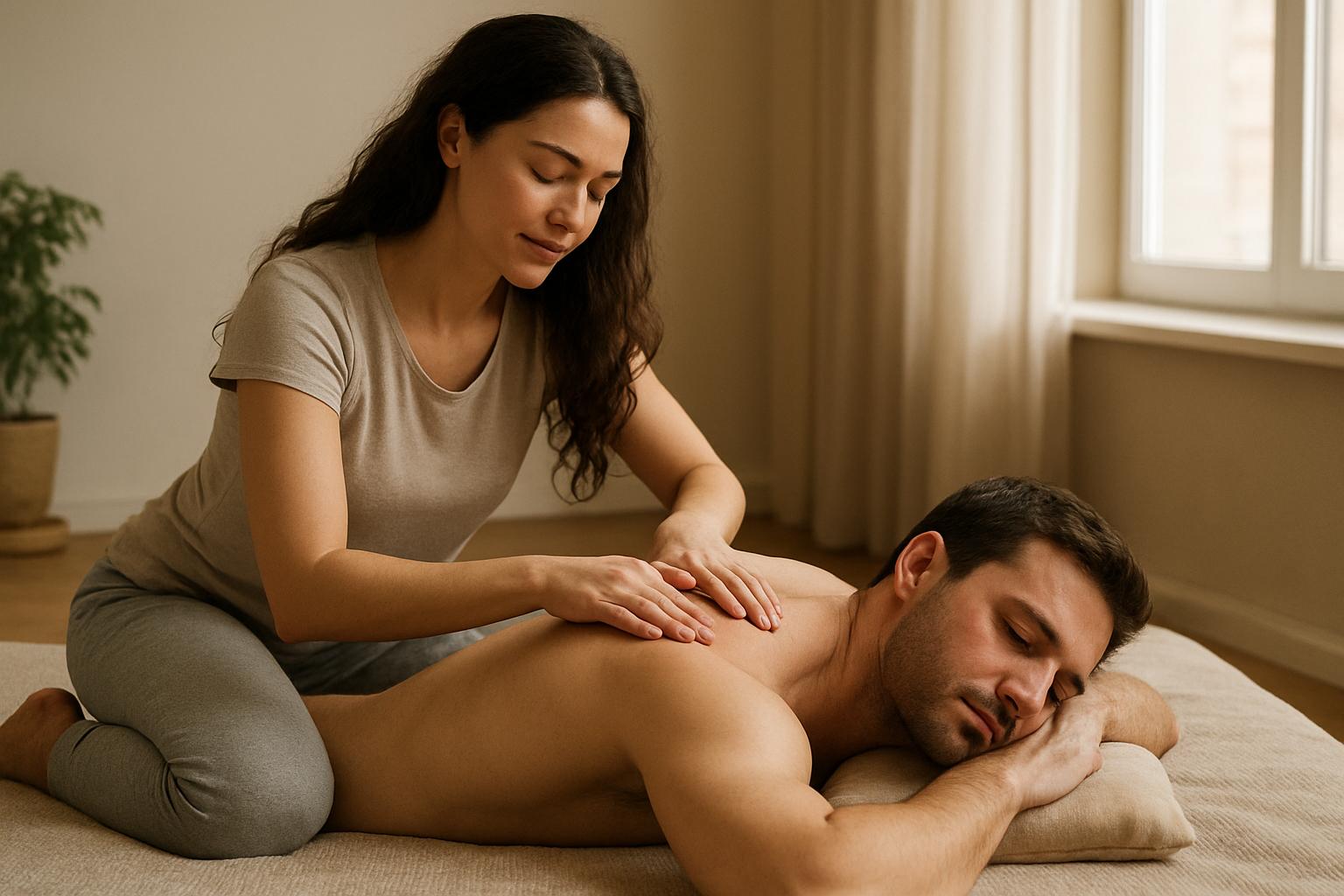
Not everyone will go to a studio. For couples who want to experiment, certain safety and technique guidelines make at-home practice productive and comfortable.
- Set the scene: choose a warm room, firm surface, and soft towels. Good lighting and low noise help.
- Use a non-irritating oil or lotion and check for allergies first. A small patch test can prevent surprises.
- Start with the back: use the forearm or hip to apply long, gentle pressure along the spine and shoulders. Move slowly and ask about comfort.
- Keep communication simple: “More/less pressure” works. If words fail, use a hand signal.
- Honor boundaries: if someone says stop, stop immediately. Consent is ongoing and can change during a session.
Simple sequence for a 20-minute at-home session
- 5 minutes of warming strokes: flat palms and light pressure to sweep away surface tension.
- 10 minutes of deep, sustained contact: use the forearm or hip to glide over the long muscles of the back in 2–3 slow passes.
- 5 minutes of gentle finishing: lighter strokes and a slow cool-down to encourage relaxation.
Alternatives and complementary practices
Body-to-body work is one tool among many. For chronic pain, integrate it with physical therapy, exercise, and posture work. For emotional regulation, consider combining massage with breathwork, meditation, or counseling. Aromatherapy, heat therapy (like infrared or saunas), and targeted modalities (cupping, myofascial release) can complement a body-to-body approach.
When to choose a different modality
- If you have acute injury or a medical condition, consult a physician before body-to-body work.
- If your priority is deep trigger point work, a traditional hands-on clinical massage may be more precise.
- If you’re seeking a purely sensual or sexual experience, be aware of legal and ethical boundaries and choose a provider whose services and policies are explicitly clear.
Where to learn—classes, certifications, and workshops in Manhattan
If you’re a practitioner or enthusiast wanting to learn body-to-body techniques, Manhattan has options. Local massage schools and continuing education programs sometimes offer workshops on full-body contact techniques, and boutique studios occasionally host weekend intensives on sensory or partner massage.
- Massage therapy schools: look for continuing education credits and detailed syllabi that cover safety and ethics.
- Independent workshops: these can offer hands-on practice but scrutinize credentials and reviews.
- Online courses: useful for theory and demonstrations, but hands-on supervision matters for proficiency.
Checklist for booking or learning
- Verify practitioner credentials and insurance.
- Confirm what the session includes—skin-to-skin or over fabric, oils used, draping method.
- Read policies on cancellations, refunds, and late arrivals.
- Ask about COVID-19 and other sanitation protocols if that remains a concern for you.
- Trust your instincts—if something is vague or feels unprofessional, look elsewhere.
Practical safety checklist for clients
- Bring ID and any relevant medical documentation (if you have specific health concerns).
- Shower before your appointment if possible; it’s respectful and hygienic.
- Arrive early to fill out paperwork calmly and avoid rushed consent conversations.
- Keep communication open: discuss pressure, warmth, and areas to avoid at the start.
- Plan for aftercare: hydrate, rest, and avoid strenuous activity for a few hours.
Choosing between a spa, clinic, or independent practitioner
Each setting has pros and cons. Spas offer ambiance and extras but can be impersonal. Clinics often emphasize clinical training and rehabilitation. Independent practitioners may provide a personalized touch and lower prices, but quality varies. Match the environment to your priorities: privacy and luxury, medical oversight, or a more intimate, bespoke experience.
Final practical tips for your first session
- Be explicit about your goals—relief, relaxation, or sensory exploration—so the practitioner can adapt the session.
- Stay hydrated and avoid heavy meals right before the session.
- Note anything you want avoided—recent injuries, sensitive areas, or emotional triggers.
- Plan a gentle transition afterward; Manhattan can be loud and hectic, so give yourself a few calm minutes before you return to the street.
Conclusion
Body-to-body massage in Manhattan sits at the intersection of technique, trust, and context: in skilled hands it can be a powerful route to relaxation, pain relief, and reconnection, but because of its intimate nature it requires clear consent, transparent communication, and careful attention to legality and safety. Whether you seek a therapeutic session in a licensed clinic, a sensory experience at a boutique spa, or a partnered practice at home, prioritize qualified practitioners, ask the right questions, and listen to your body—Manhattan’s wellness scene is rich and varied, and with thoughtful choices you can find a session that feels both safe and restorative.