
Walking into the story
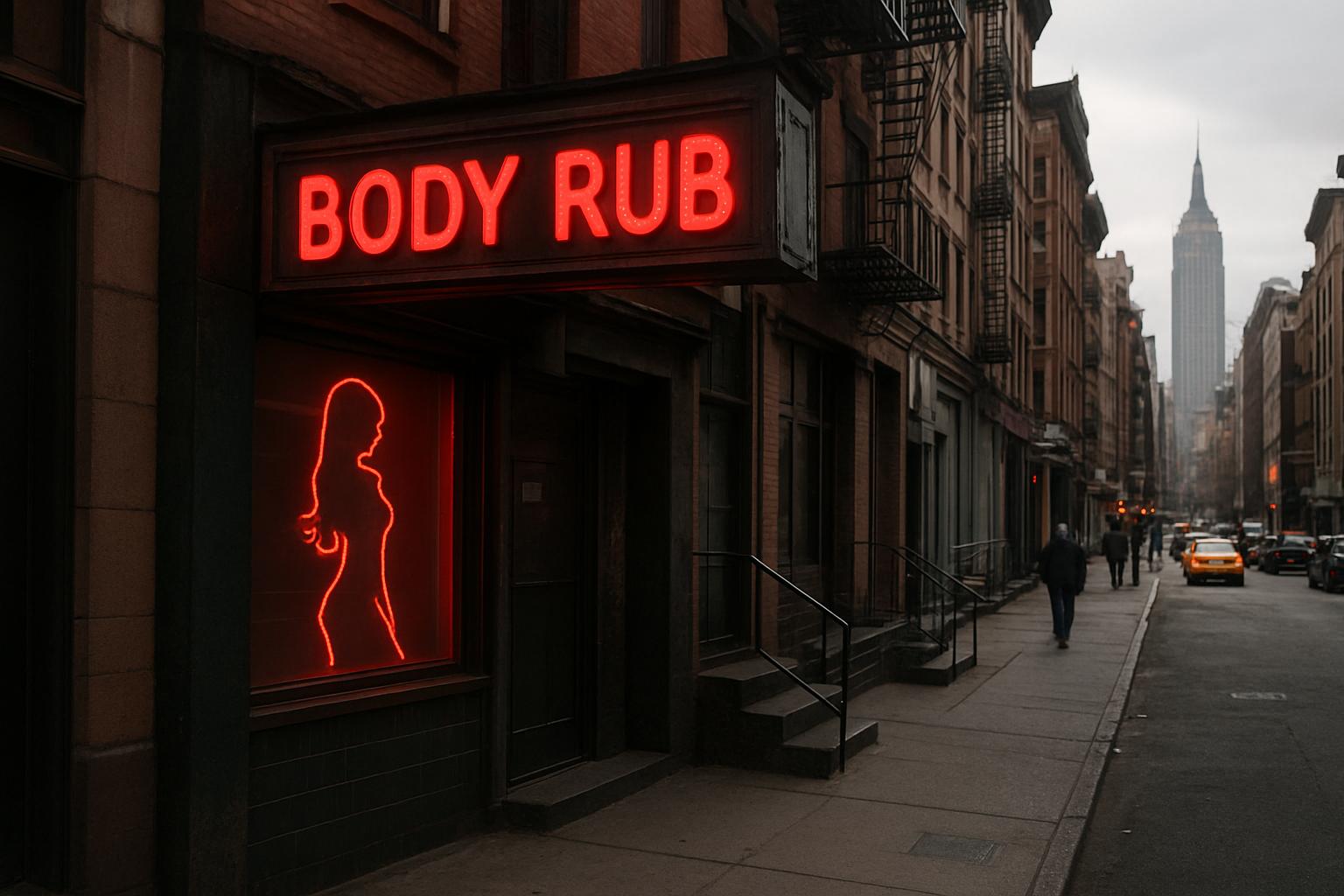
On a rain-slick evening in Midtown, you might watch a parade of umbrellas and glance up to see neon signs advertising “massage,” “spa,” or the more old-fashioned “body rub.” Those three words can mean very different things depending on context: a clinical treatment in a licensed therapy clinic, a restorative hour in a day spa, or, in some cases, services that skirt legal and ethical boundaries. New York City is a tapestry of cultures and practices, and its bodywork scene reflects that variety. This article walks you through what a body rub can be here, how to find reputable services, what to expect, and how to keep your experience safe and respectful.
What people mean by «body rub»
From therapeutic to relaxing
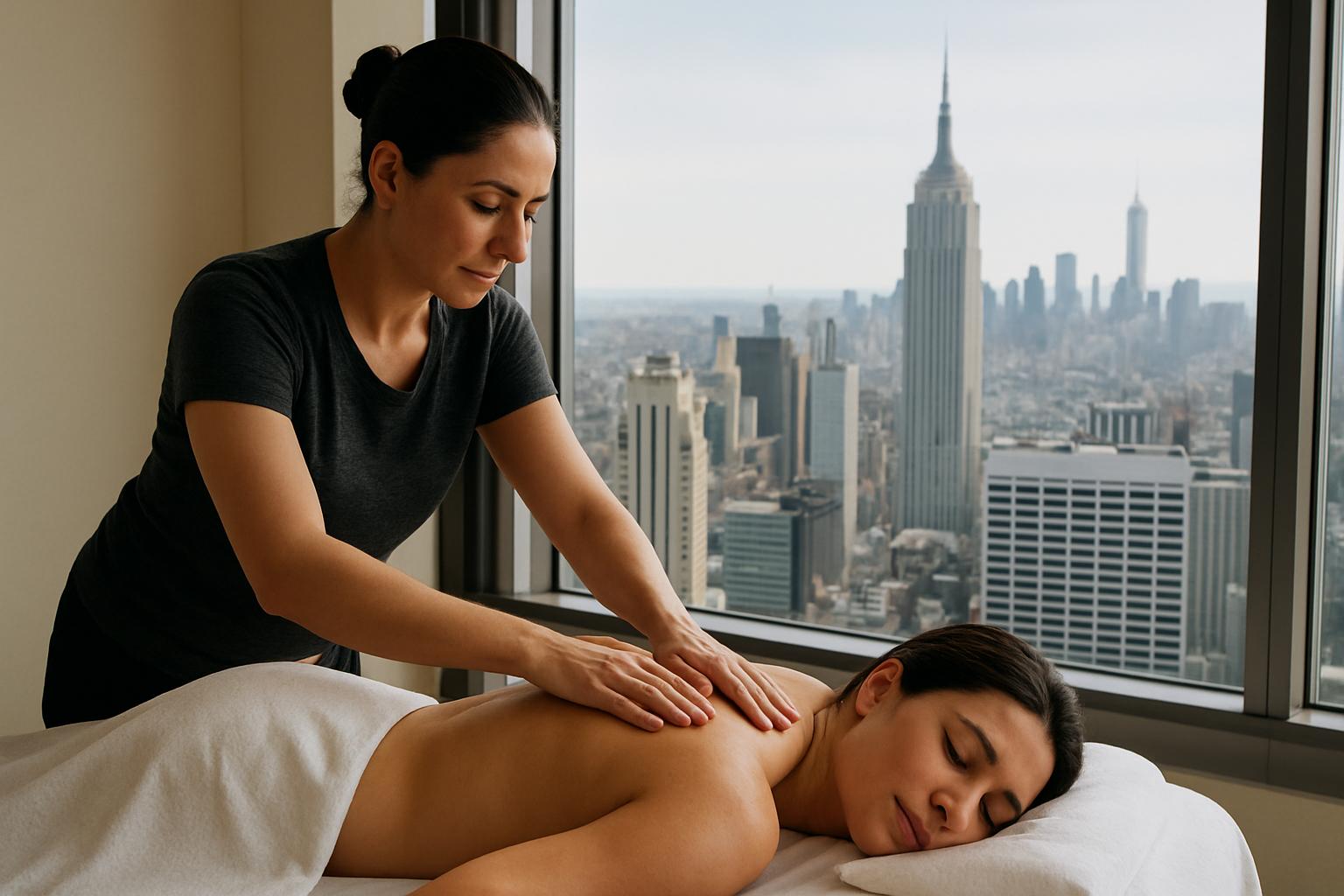
“Body rub” is an umbrella term. In one setting it’s a synonym for therapeutic massage—structured techniques aimed at relieving pain, improving circulation, or releasing tension. In another, it signals a relaxing, spa-style treatment focused on general well-being. The same phrase can also be used euphemistically to advertise adult-oriented services. Because of that ambiguity, it helps to read descriptions, reviews, and the provider’s credentials before booking.
Common modalities you’ll encounter
Whether labeled as a body rub or massage, services in New York typically fall into recognizable modalities. Below is a quick guide to what each offers and how they differ.
| Service | Focus | Typical Session Length | Typical NYC Price Range (60 min) |
|---|---|---|---|
| Swedish | Relaxation, general tension relief | 30–90 minutes | $60–$130 |
| Deep tissue | Targeted, deeper muscle work for chronic tension | 30–90 minutes | $80–$150 |
| Sports massage | Athletic performance and recovery | 30–90 minutes | $80–$150 |
| Thai / Stretching-based | Passive stretching, mobility | 60–120 minutes | $80–$160 |
| Spa body treatments | Wraps, scrubs, relaxation-focused | 50–110 minutes | $100–$250+ |
How New York shapes the experience
Neighborhood flavors and service styles
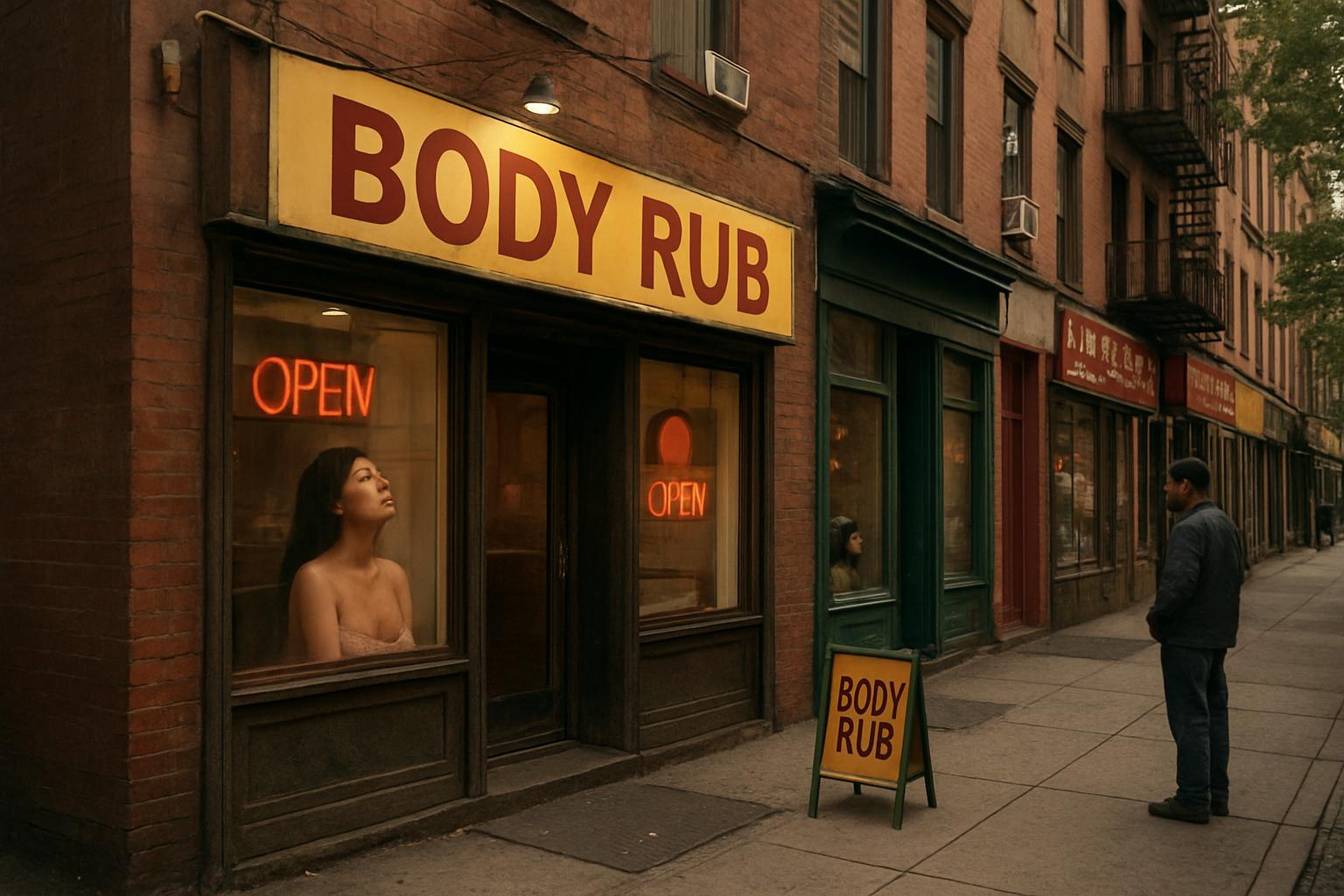
Manhattan offers a certain polish: luxury spas, medical massage centers, and high-end wellness studios near Midtown and the Upper East Side. In Koreatown, you’ll find late-night establishments and community-familiar parlors offering both therapeutic and relaxation services. Brooklyn’s scene skews indie and boutique—think small studios with a local, personalized vibe. In immigrant neighborhoods, many small businesses offer affordable treatments and often rely on repeat clientele. Each neighborhood brings a different rhythm and set of expectations.
Regulation, transparency, and trust
Because the term “body rub” is broad, transparency matters. Reputable clinics and spas display their credentials, licenses, business permits, and clear service descriptions. Many legitimate practitioners list certifications from recognized training programs and professional associations. If a business is evasive about qualifications, pricing, or treatment scope, treat that as a red flag. City agencies, local review platforms, and word-of-mouth from neighbors can help verify whether a place is reputable.
Practical steps to find a good provider
Before you book
- Read multiple reviews on platforms like Google, Yelp, or a neighborhood forum to spot consistent patterns—positive or negative.
- Check for visible credentials on the business website or in photos: training certificates, business license, and clear staff bios.
- Call to ask simple questions: what the session includes, whether the therapist is licensed or certified, cancellation policies, and whether the facility follows public-health guidelines.
- Pay attention to language in ads. Phrases that promise sexual services or use overly suggestive imagery often indicate an adult-only operation rather than a licensed therapy practice.
Questions to ask the provider
- What training and certifications do your therapists have?
- What does a 60-minute session include?
- How does the facility ensure client privacy and comfort?
- Do you require or recommend any intake forms or health disclosures?
- What is your cancellation policy and tipping expectation?
What to expect during a session
Arrival and intake
Most reputable places start with a brief intake: questions about your medical history, pain points, and treatment goals. This conversation sets boundaries and determines pressure level and techniques. You’ll be shown to a private or semi-private room with linens and, in therapeutic settings, a well-equipped table or chair.
Communication and consent
Good practitioners check in about pressure and comfort. You should feel free to say “too hard,” “softer,” or “please avoid this area.” Consent is central: therapists must explain draping (what is uncovered and why) and obtain explicit agreement before touching sensitive areas. If you feel pressured or uncomfortable at any point, you can stop the session and leave.
Aftercare
Expect modest aftercare advice: hydrate, rest if needed, and perform light stretches. A follow-up recommendation or modifications for next sessions may be offered. If you experience unusual pain or a strong negative reaction, contact the provider and consult a medical professional if necessary.
Safety, legality, and ethical considerations
Red flags to avoid
- Requests for cash-only payment with no receipt.
- Ambiguous service descriptions that avoid mentioning therapeutic goals or techniques.
- Providers who insist on nudity beyond standard draping or ignore your comfort requests.
- Pressure to tip extra for basic services or to purchase time extensions in an offhand way.
- Owners or staff who discourage you from sharing honest feedback or filing complaints.
When something goes wrong
If you encounter unprofessional or illegal behavior, document what happened, gather any receipts or messages, and report to the appropriate city or state agency. You can also leave a factual review to inform other customers. When safety is at risk—threats, harassment, trafficking—contact local law enforcement immediately and consider reaching out to city hotlines that handle exploitation or human-trafficking concerns.
Budgeting and etiquette
Pricing tips
Expect a wide price range. High-end spas charge premium rates that include amenities and spa-day atmospheres. Neighborhood shops and community clinics often offer more affordable options. A tip of 15–25% for a positive experience is standard in most places—unless the business posts a different policy. Ask about gratuity norms if you’re unsure.
Simple etiquette that goes a long way
- Arrive a few minutes early to complete intake and relax.
- Turn off your phone or silence it during the session.
- Communicate your comfort level—therapists prefer direct feedback.
- Respect the therapist’s boundaries; conversations can be friendly without becoming personal.
Finding the right fit
Trial and adjustment
Sometimes it takes two or three visits to find a therapist whose style and technique match your needs. Keep a short note about what worked and what didn’t after each session: pressure level, areas worked on, and how your body felt afterward. If a therapist isn’t a fit, a reputable studio will help you find another practitioner within the same facility.
Wellness beyond the session
Bodywork is most effective when paired with healthy habits: sleep, hydration, stretching, and mindful movement. Consider integrating occasional sessions with self-massage tools, classes in mobility or yoga, and simple daily habits that reduce the recurrence of tension.
Quick reference: choosing a body rub in NYC
- Look for clear service descriptions and visible credentials.
- Verify reviews across platforms and ask neighbors for recommendations.
- Call ahead with specific questions about training, draping, and policies.
- Trust your instincts—leave if you feel pressured or unsafe.
Resources and contacts
For more formal concerns—health inspections, licensing questions, or reporting illegal activity—start with municipal websites and local consumer-protection offices. Neighborhood community boards and local wellness groups can also provide recommendations and warnings about businesses that don’t meet standards.
Table recap: Quick service comparison
| Goal | Best Option | When to Seek It |
|---|---|---|
| Relaxation | Swedish spa or relaxation body rub | Stress relief, light tension |
| Chronic muscle pain | Deep-tissue or therapeutic massage | Ongoing tightness, postural issues |
| Mobility and flexibility | Thai or assisted-stretch sessions | Stiffness, mobility limits |
| Recovery for athletes | Sports massage | Training cycles, injury prevention |
Final thoughts
In a city that never sleeps, bodywork is a small luxury and a practical tool for health. Whether you’re seeking stress relief after a long day, targeted therapy for an ache, or a regular wellness ritual, New York offers a wide array of options. The key is to choose transparency, prioritize safety, and communicate clearly with the practitioner. When you do, a simple body rub can become a deliberate act of self-care—one that keeps you moving through the city with less tension and more ease.
Conclusion
Finding a body rub in New York City is less about one-size-fits-all answers and more about matching your needs with a reputable provider: do your homework, ask clear questions, watch for red flags, and treat the session as a shared, professional interaction built on consent and communication—do that, and you’ll likely walk out lighter, better aligned, and ready for the next city block.