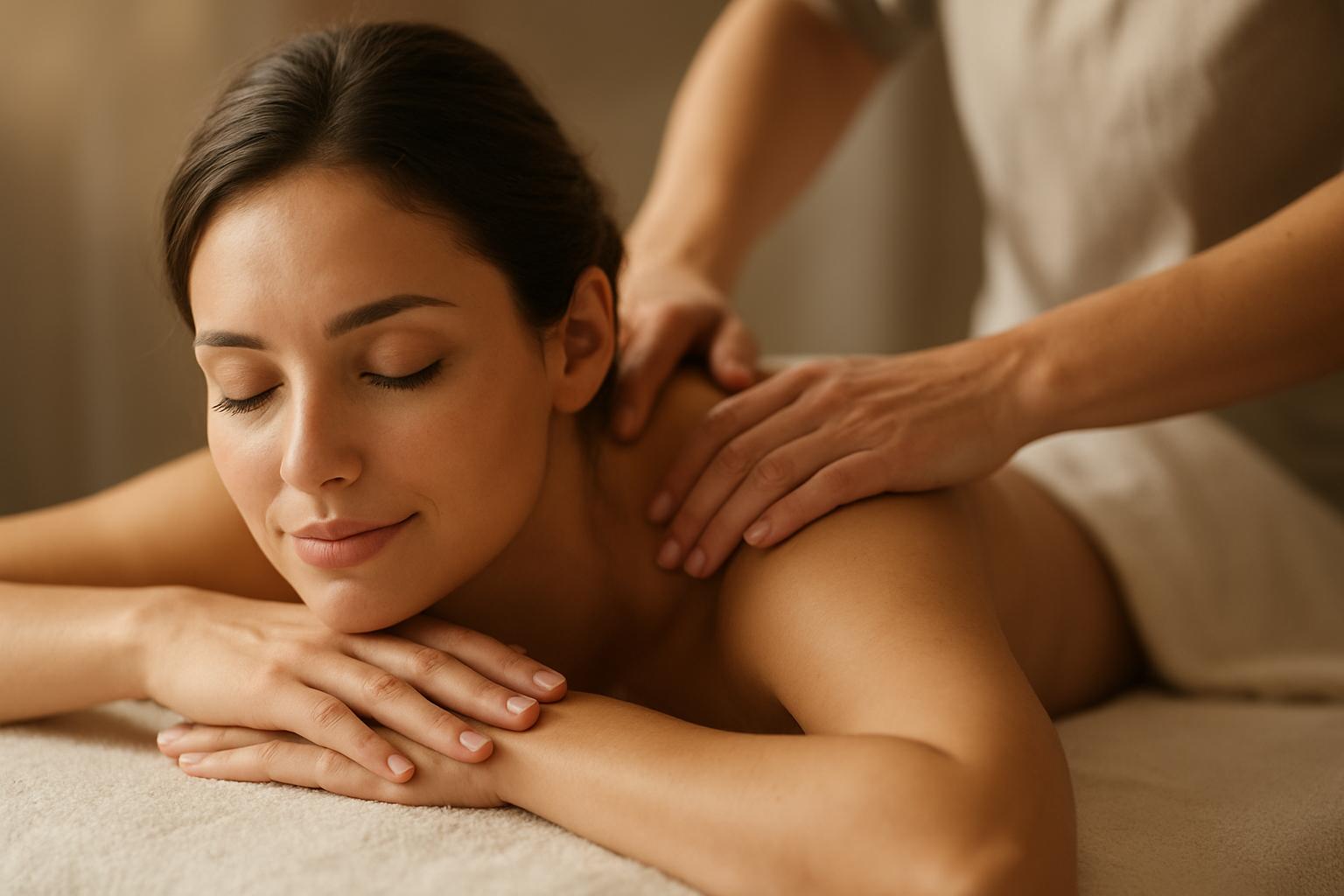

She walked into the dim room with a tightness across her shoulders that had been there for weeks. By the time the session ended she could breathe deeper, laugh easier, and felt a small but decisive loosening in her posture. That change wasn’t magic; it was a combination of knowledge, clear communication, and hands that knew where to work. This article looks at massage from a woman’s perspective: what women commonly seek, the techniques that help most, safety concerns, and how to choose a therapist who understands the whole person—not just the ache.
Why women choose massage
People get massages for many reasons, but several motivations are especially common among women. Physical relief—reducing neck and back pain, easing muscle tension from repetitive tasks, or addressing postpartum discomfort—tops the list. Emotional and hormonal factors also play a role: massage can lower stress hormones, help manage PMS symptoms, and support recovery from childbirth.
Health benefits beyond relaxation
- Improved circulation and lymphatic drainage, which can reduce swelling and fatigue.
- Reduced muscle tension and improved range of motion, helpful for daily function and exercise.
- Lowered anxiety and better sleep through activation of the parasympathetic nervous system.
- Support during hormonal shifts—during pregnancy, perimenopause, and menstruation—when the body’s needs change.
Common issues women address with massage
Different life stages and roles bring distinct patterns of pain and tension. Office work and caregiving create forward shoulder posture and neck strain. Pregnancy adds ligament laxity and altered center of gravity that increase lower back load. Postpartum bodies often hold stress in the pelvic floor and shoulders. Understanding the underlying cause matters as much as the hands-on technique.
Typical problem areas
- Upper back and neck tension from prolonged screen time.
- Lower back and sacroiliac discomfort related to pregnancy or lifting.
- Pelvic floor tightness and scar tissue after childbirth or surgery.
- Localized pain from repetitive movements—typing, driving, or lifting kids.
Types of massage to consider
Therapists use different modalities to achieve different outcomes. Below is a simple comparison to help decide which style matches a specific need.
| Massage Type | Best For | Pressure | Typical Session | Contraindications |
|---|---|---|---|---|
| Swedish | General relaxation, stress relief | Light to medium | 30–90 minutes | Open wounds, fever |
| Deep tissue | Chronic muscle tension, knots | Firm | 45–90 minutes | Blood clotting disorders, recent fractures |
| Prenatal | Pregnancy-related aches, swelling | Light to medium | 45–75 minutes | Unmanaged high blood pressure, certain obstetric complications |
| Lymphatic drainage | Post-surgical swelling, chronic edema | Very light | 45–90 minutes | Infections, untreated cancer without clearance |
| Myofascial release | Restricted mobility, scar tissue | Gentle to medium | 30–60 minutes | Acute inflammation |
| Reflexology | General balance, stress reduction | Variable, focused on feet/hands | 30–60 minutes | Open foot wounds, gout flare |
Preparing for a session
Preparation reduces anxiety and helps the therapist focus on therapeutic work. A short checklist keeps things simple: arrive hydrated, wear loose clothing, and bring any relevant medical information. If you’re nursing, bring a blanket or a nursing cover if that makes you more comfortable during the session.
Questions to ask before you book
- Are you licensed and insured in this state?
- Do you have experience with prenatal/postpartum care or pelvic floor issues?
- What is your preferred pressure and approach to pain during a session?
- Can you accommodate modesty preferences or a female/male therapist request?
Techniques a woman can request or expect
Good therapists explain their approach and adapt to needs. Here are techniques often used and why they might be requested.
- Effleurage and petrissage (long strokes and kneading) to warm tissue and reduce muscle tone.
- Trigger point release to address specific spots that refer pain elsewhere.
- Active-assisted stretching to restore range of motion without aggressive force.
- Lymphatic massage for gentle stimulation of fluid flow after surgery or during pregnancy-related swelling.
Self-massage moves for daily relief
Daily life rarely allows a professional session every time tension builds. These short, safe moves fit into a lunch break or bedtime routine.
- Neck release: tilt the head to one side and use fingertips to make small circular motions along the base of the skull for 30–60 seconds; repeat on the other side.
- Shoulder knead: use the opposite hand to squeeze the trapezius muscle between thumb and fingers in a rhythmic motion for 1–2 minutes each side.
- Hand and forearm roll: use a tennis ball under the palm and roll slowly to relieve typing-related strain.
- Lower-back self-massage: while seated, press a foam roller or rolled towel between the spine and a wall and move up and down gently.
Safety, boundaries, and special considerations
Touch is intimate; clear boundaries preserve safety and comfort. Consent and communication are not optional. Tell the therapist about recent surgeries, medications (especially blood thinners), pregnancy, cancer, or a history of blood clots. If something hurts in a way that’s sharp, burning, or radiating down a limb, stop and inform the therapist—those can be signs that require medical attention.
Pregnancy and postpartum specifics
Prenatal massage avoids deep abdominal work and uses side-lying positions with pillows for comfort. Therapists trained in prenatal care understand which pressure points to avoid and how to reduce swelling safely. After delivery, scar mobilization and gentle pelvic floor awareness can be beneficial, but timing matters; follow medical advice about when to start work near surgical scars or after certain complications.
Choosing the right therapist
Beyond credentials, fit matters. A competent therapist listens, adjusts pressure, and explains what they are doing. Gender preference is valid; many women prefer female therapists for comfort during intimate areas of care. Read reviews, check for continuing education in areas like prenatal or pelvic floor therapy, and consider a short initial consultation to see if communication feels good.
Red flags to avoid
- Lack of a visible license or refusal to discuss training.
- Pressuring you into a longer session or additional services without explanation.
- Inappropriate comments about your body or requests that violate your comfort level.
Aftercare and making benefits last
A good session includes instructions for what to do afterward. Hydration helps flush metabolic byproducts. Gentle stretching and short walks can keep muscles from tightening again. Notice how your body responds over the next 24–48 hours—mild soreness is normal after deep release, but persistent or worsening pain is a signal to consult your provider.
Practical schedule and cost considerations
Frequency depends on the goal. For chronic tension, weekly sessions for a month then biweekly maintenance can be effective. For acute stress, a single session might reset your nervous system. Costs vary widely; plan for a range and ask if clinics offer package discounts. Some medical plans or flexible spending accounts cover therapeutic massage when prescribed by a provider—check before you book.
- Typical frequency: weekly to monthly depending on needs.
- Look for package deals for ongoing plans; request medical necessity documentation if seeking insurance coverage.
- Consider shorter, targeted sessions if time or budget is limited.
Cultural and emotional dimensions of touch
Massage sits at the intersection of health care and human connection. For many women, being touched with respect and intention can be restorative in ways that go beyond physical relief: it’s about being seen, cared for, and allowed to release. Therapists who honor cultural preferences, modesty, and trauma history create space for healing. If you have a history of trauma, tell your therapist so they can use trauma-informed approaches—this changes how touch is introduced, and often, how beneficial the session becomes.
Quick checklist before booking
- Confirm therapist licensing and specialties.
- Note any medical issues and medications for disclosure.
- Decide on pressure preference and modesty needs.
- Ask about prenatal/postpartum experience if relevant.
- Check cancellation policies and session lengths.
Stories of small, practical transformations
A mother I spoke with described how five weekly sessions after her third pregnancy changed her relationship to movement: reductions in hip pain let her carry her toddler without bracing, and releasing neck tension cut her headaches in half. Another woman used short, targeted massages between chemotherapy infusions to regain a measure of calm and sleep. These aren’t dramatic before-and-after ads; they are small adjustments that add up, letting people move through their days with less friction.
Massage is neither a panacea nor a luxury restricted to spa days. It’s a tool—one that works best when matched to the body’s needs, delivered by an informed practitioner, and paired with sensible aftercare. For women juggling multiple roles and bodily transitions, a thoughtful approach to massage can restore function, ease stress, and return a sense of agency over one’s body.
Conclusion
Massage for women is practical and personal: it treats aches, supports life stages like pregnancy and postpartum, and offers emotional relief when touch is respectful and informed; choosing the right modality and therapist, preparing properly, knowing simple self-care moves, and watching for safety signals turns sessions into sustainable, meaningful care that fits into a busy life.