
Why the topic matters — and why people search for it
New York City moves fast and asks a lot of the body. For some that means a long soak in a hot tub; for others it means seeking out touch that’s not merely therapeutic, but sensually attuned. The phrase «erotic massage» covers a wide range of experiences — from legally licensed, intimacy-focused sessions to private encounters that blur professional lines. Understanding the distinctions helps you find what you want while staying safe, legal, and respectful.
What people mean by «erotic massage» in NYC
When people speak of erotic or sensual massage, they usually mean sessions emphasizing sensuality, arousal, or intimate connection rather than purely clinical goals like pain relief. Some options are offered by fully licensed massage therapists who emphasize relaxation and consent; others are provided by practitioners of tantra, sensual healing, or bodywork rooted in intimacy practices. The common thread is an emphasis on the emotional and pleasurable quality of touch, not a medical or sports-massage focus.
Key distinctions to keep in mind
0
- Licensed therapeutic massage: Focuses on physical well‑being, performed by credentialed therapists in clinics or spas.
- Tantra and somatic work: Emphasizes breath, presence, and energy; can include sensual elements but often has a spiritual frame.
- Private sensual sessions: Offered in varied settings; may or may not be legal depending on services and intent.
Legal and ethical landscape in New York City
New York State law prohibits prostitution and sexual services for pay. Licensed massage therapists must follow professional rules; providing sexual acts in exchange for money can cross into criminal territory. That said, there are legal, ethical ways to explore sensual touch: attending workshops, hiring a licensed therapist for couples’ massage, or booking sessions framed explicitly as tantra or breathwork where both parties maintain clear consent and boundaries.
Practical legal points
- Always verify a practitioner’s credentials if they claim to be a licensed massage therapist.
- Read a studio’s policies and service descriptions carefully—ambiguous language is a red flag.
- Workshops and educational events (couples’ classes, tantra courses) are generally lawful when framed as instruction rather than for hire sexual services.
Types of sensual services and where to look
If you’re new to this scene, it helps to know what to expect and where to search. Below are the common categories and how they typically present in NYC.
Licensed clinics and spas
These establishments advertise licensed therapists and treat sensual elements cautiously. Expect a clean office, clear intake forms, and a focus on comfort and communication. Sensuality is often framed as part of stress relief rather than erotic service.
Tantric practitioners and somatic coaches
Tantra and somatic work centers on breath, movement, and presence. Sessions may include guided exercises that cultivate intimacy and arousal without explicit sexual acts. Many practitioners offer private sessions, classes, and couple-focused programs.
Workshops and group classes
Couples’ massage workshops, tantra weekends, and intimacy labs are safe ways to explore contact with set boundaries and guided instruction. Because they’re educational, they tend to be both lawful and structured.
How to vet a provider: practical checklist
Choosing a practitioner in a city like New York requires more than a good Yelp rating. Use this checklist before you book.
- Confirm credentials and whether they’re licensed in New York State, if applicable.
- Read reviews on multiple platforms and look for consistent, specific praise or complaints.
- Ask directly about boundaries, what is and isn’t included, and whether the session will be clothed or unclothed.
- Check if the practitioner requires intake forms that discuss health history and consent.
- Notice communication tone: professional, clear, and respectful is good; evasive or overly sexual language is a warning.
Comparing provider types at a glance
| Provider type | Legality | Typical setting | What to expect | Price range (NYC) |
|---|---|---|---|---|
| Licensed massage therapist | Legal (must follow professional rules) | Spa, clinic, private studio | Clinical intake, focus on relaxation or pain relief, professional boundaries | $80–$200+ |
| Tantra/somatic coach | Generally legal (educational/services framed non-sexually) | Private studio, wellness center | Breathwork, guided presence, potential sensual elements | $120–$300 |
| Couples’ workshop | Legal (educational) | Group class, retreat space | Hands-on guidance, structured exercises, safe environment | $30–$400 (varies by format) |
| Private sensual session (unregulated) | Potential legal risk | Private residence or ad-hoc space | Varies widely; higher legal and safety risks | Highly variable |
What to ask before booking
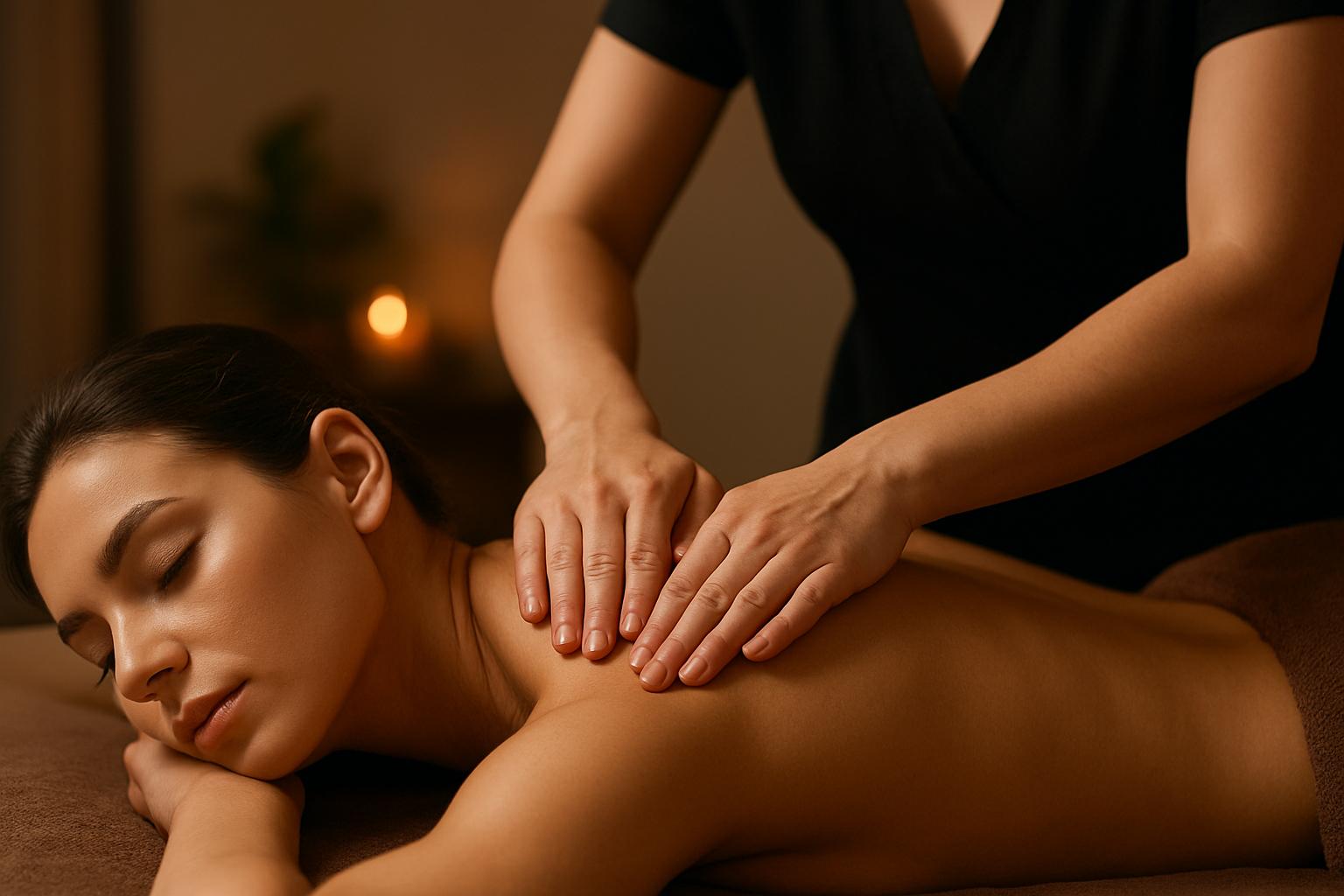
Direct questions save confusion later. Here are the essentials to cover in a short email or phone call.
- Are you licensed or certified? Can you share your professional profile?
- What does a typical session look like, step by step?
- How do you handle consent and boundaries during the session?
- What are the fees, cancellation policy, and tipping expectations?
- Do you have intake forms or health questionnaires?
Safety, consent and boundaries
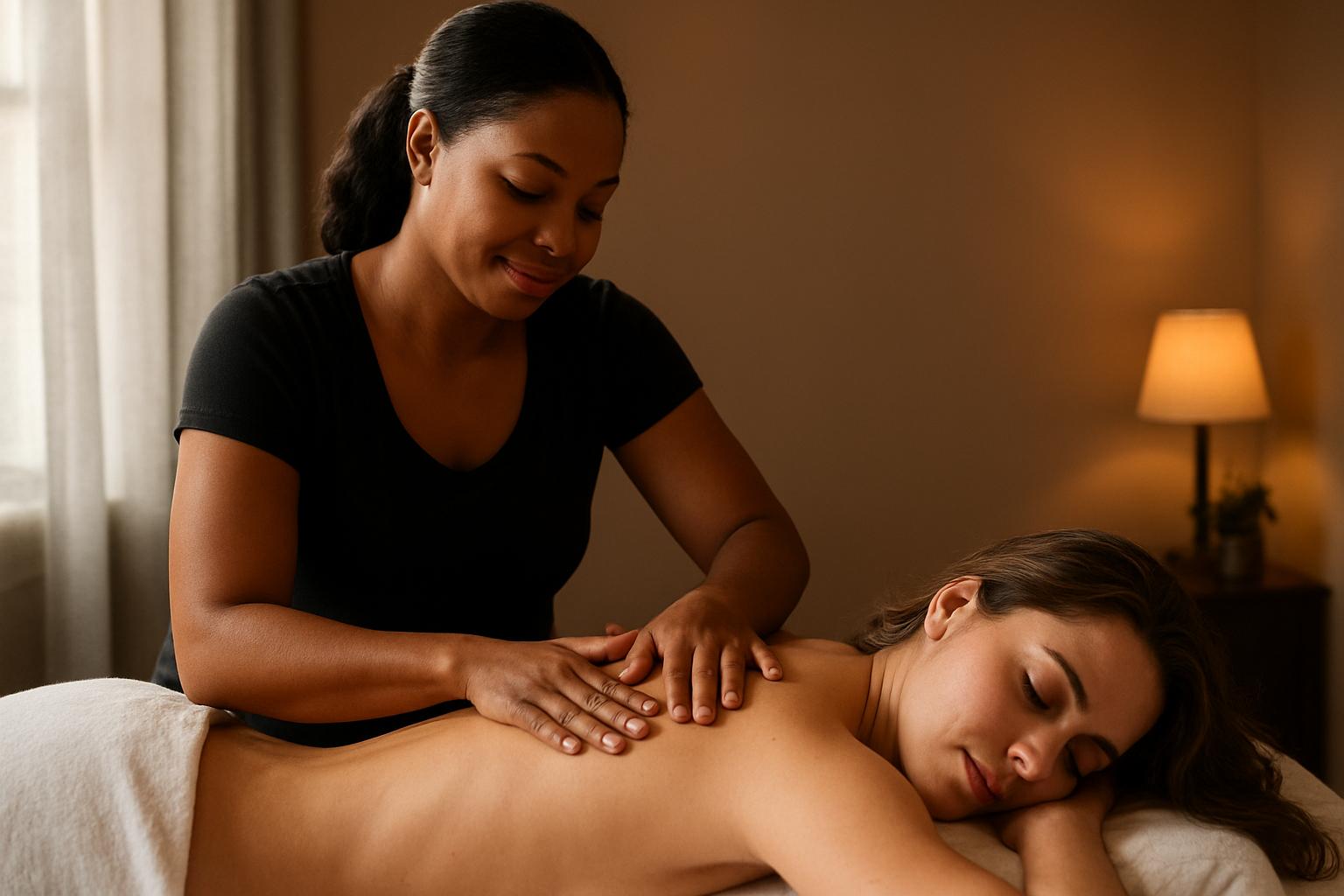
Safety is non‑negotiable. Sensual sessions should be built on explicit consent, clear limits, and the ability to stop at any time without pressure. A professional will ask about boundaries and will respect safe words or gestures. Personal safety precautions include telling a trusted friend your plans, checking the location in advance, and paying by traceable method rather than cash if you’re concerned.
Practical safety steps
- Meet in a professional space rather than a private home when possible.
- Share appointment details with someone you trust.
- Trust your instincts: if something feels off, leave.
- Never feel obliged to answer intimate questions that make you uncomfortable before consent is established.
Etiquette: arriving, tipping, and aftercare
Good manners keep encounters respectful. Arrive on time, bring ID if required, and fill out intake forms honestly. Tipping practices in NYC are similar to other service industries—generally 15–25% for good service—but follow the studio’s guidance; some places include a service charge. Aftercare means checking in with yourself and, if applicable, your partner: hydrate, rest, and communicate any physical feedback to the practitioner after the session.
Red flags and common scams
Be wary of profiles that use sexualized language without professional context, providers who insist on cash-only payments and no receipts, locations that can’t be verified, or anyone who pressures you to do more than you consent to. Scam ads may promise «extras» for an added fee; decline and report suspicious listings to the platform or local authorities if you feel threatened.
A short story: a Brooklyn evening
On a damp spring evening in Brooklyn, Maya booked a couples’ workshop advertised as «sensual communication and touch.» She expected candles and vague promises. What she found was a small room with neutral lighting, a facilitator who introduced simple breath exercises, and clear instructions about consent. Partners practiced holding space for one another—no graphic demonstrations, just slow, guided contact that taught them how to ask, check in, and respond. They left with two simple practices to use at home: a five-minute presence exercise and a safe-word agreement. For them, the value wasn’t in a single heightened sensation but in learning how to slow down together in a city that rarely does.
Resources and next steps
Look for certified practitioners through directories of licensed massage therapists, reputable tantra schools, and community centers that vet instructors. Use multiple review sites, check for professional affiliations, and prefer studios with clear policies. If you’re curious but cautious, start with a group workshop or a session framed as education; it’s a low-risk way to explore sensation and consent under guidance.
Conclusion
Exploring erotic or sensual massage in NYC can be rewarding when approached with curiosity, clear communication, and an eye toward legality and safety; choose licensed or well-reviewed practitioners, ask precise questions before booking, prioritize consent and boundaries during sessions, and consider workshops or tantra-based instruction as a lawful, structured way to learn about intimate touch in a city that offers both anonymity and possibility.