
What people mean by «body rub» in Manhattan
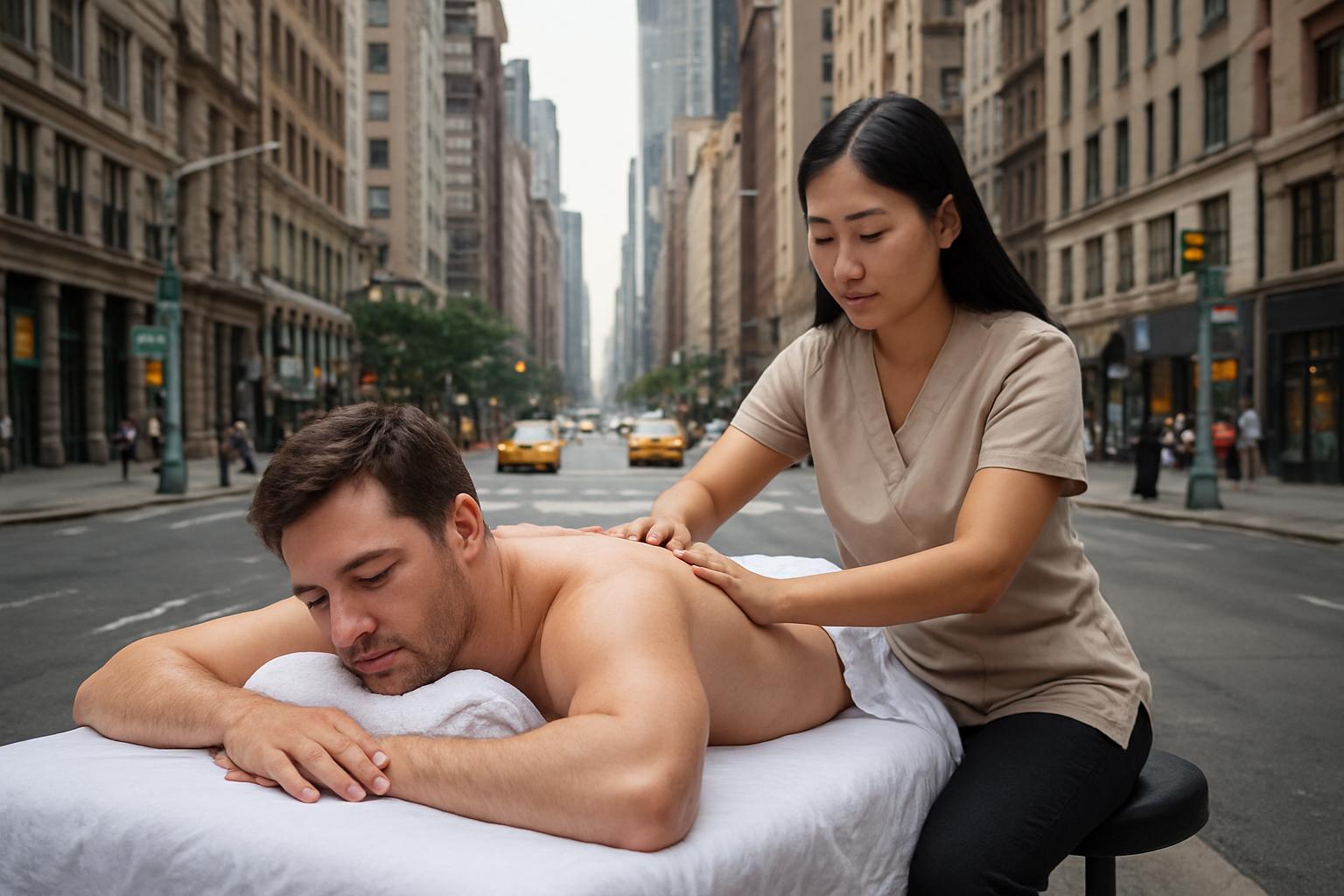
The phrase «body rub» means different things to different people. In Manhattan, most often it’s shorthand for a professional massage or bodywork session: a trained practitioner using hands, forearms, elbows, tools, or gentle stretching to relieve tension, treat pain, or promote relaxation. That term can also be used euphemistically in less reputable contexts, so knowing how to read the room—literally and online—keeps the experience legal, comfortable, and effective.
Why the wording matters
Words shape expectations. Ask for a «Swedish massage» or «medical massage» and you’ll set a clear, professional tone. If you’re unsure what an establishment offers, a brief phone call or reading the therapist’s profile will clarify whether they provide therapeutic bodywork or something else. In a city with as many options as Manhattan, specificity is your friend.
Types of bodywork you’ll encounter
Manhattan’s wellness scene is diverse: luxury spa treatments coexist with small therapeutic studios and mobile therapists who will come to your apartment or office. Below is a quick reference to common modalities and when they tend to help.
| Modality | Primary focus | Good for |
|---|---|---|
| Swedish massage | General relaxation, circulation | Stress relief, first-time massage |
| Deep tissue | Release of tight muscle layers | Chronic tension, athletes, back pain |
| Sports massage | Performance, injury prevention | Athletes, pre/post-event care |
| Shiatsu / acupressure | Meridian pressure points, balance | Energy work, tension relief without oil |
| Thai massage | Stretching, mobility | Flexibility, full-body release |
| Myofascial release | Fascia and connective tissue | Stiffness, chronic pain |
Where to go: neighborhoods and venues
Each part of Manhattan offers a different flavor. Midtown and the Financial District host luxury spas and hotel wellness centers that pair aromatherapy with a polished environment. The East and West Sides feature numerous independent therapeutic studios focused on rehabilitative care. SoHo, Chelsea, and the Lower East Side tend to offer boutique experiences and eclectic bodyworkers. Choose based on what you want to leave the session with: relaxed and pampered, or relieved of a persistent ache.
Types of venues
- Full-service spas: luxury amenities, higher prices, predictable service standards.
- Therapeutic clinics: often tied to physical therapy or chiropractic care, emphasis on clinical outcomes.
- Independent studios: individual practitioners with niche training or personalized approaches.
- Mobile therapists: come to your home or office; convenient but vet carefully.
- Wellness co-ops and shared spaces: affordable and community-oriented, sometimes with sliding scale options.
How to choose a therapist in Manhattan
Picking a practitioner is partly practical and partly personal. Start with credentials—professional training, any state or city registration, and professional membership. Read concise client reviews, but focus on comments about communication, cleanliness, and outcome rather than vague praise. A quick pre-booking exchange should answer basic questions about technique, session length, and what to wear.
Questions to ask before booking
- What style or modalities do you practice?
- Are you licensed or certified, and where did you train?
- Do you have experience with my specific issue (injury, pregnancy, etc.)?
- What is your cancellation and late-arrival policy?
- Do you accept cards or only cash?
Pricing and what to expect
Prices in Manhattan reflect the cost of doing business here: rent, staffing, and clientele expectations. Expect a range depending on venue and therapist experience. Below is a practical price guide to help you budget. These are approximate ranges intended to orient you; individual businesses may vary.
| Service | Typical price range (approx.) | Notes |
|---|---|---|
| 30-minute chair massage | $40–$80 | Quick tension relief; usually clothed |
| 60-minute Swedish/deep tissue | $90–$200 | Most common session length |
| 90-minute session | $140–$300 | Better for chronic issues or thorough relaxation |
| Medical/therapeutic massage | $100–$250 | May involve evaluation and targeted treatment |
| Luxury spa treatments | $180–$400+ | Included amenities, signature rituals |
Etiquette and practical tips
Manhattan bodywork follows straightforward rules that make the session run smoothly. Arrival five to ten minutes early gives time to fill out intake forms. Wear what makes you comfortable—many treatments are done with professional draping, meaning only the area being worked on is exposed. Communicate your pressure preference and any problem areas before the therapist begins. Silence is fine; if you prefer music or conversation, say so.
Tipping and payment
- Tipping is customary at many Manhattan spas: 15–25% is typical when service meets expectations.
- Ask about accepted payment methods. Some small studios prefer card or app payments over cash.
- Keep receipts if you’re seeking reimbursement from a health plan or flexible spending account.
Safety and red flags
Trust your instincts. A reputable practitioner will respect draping, maintain professional boundaries, and be willing to discuss their training. Red flags include vague answers about credentials, insistence on cash-only unrecorded payments, sexualized language or behavior, and a lack of a clean, private treatment space. If anything feels off, leave. Your safety and comfort matter more than politeness.
Health benefits and limitations
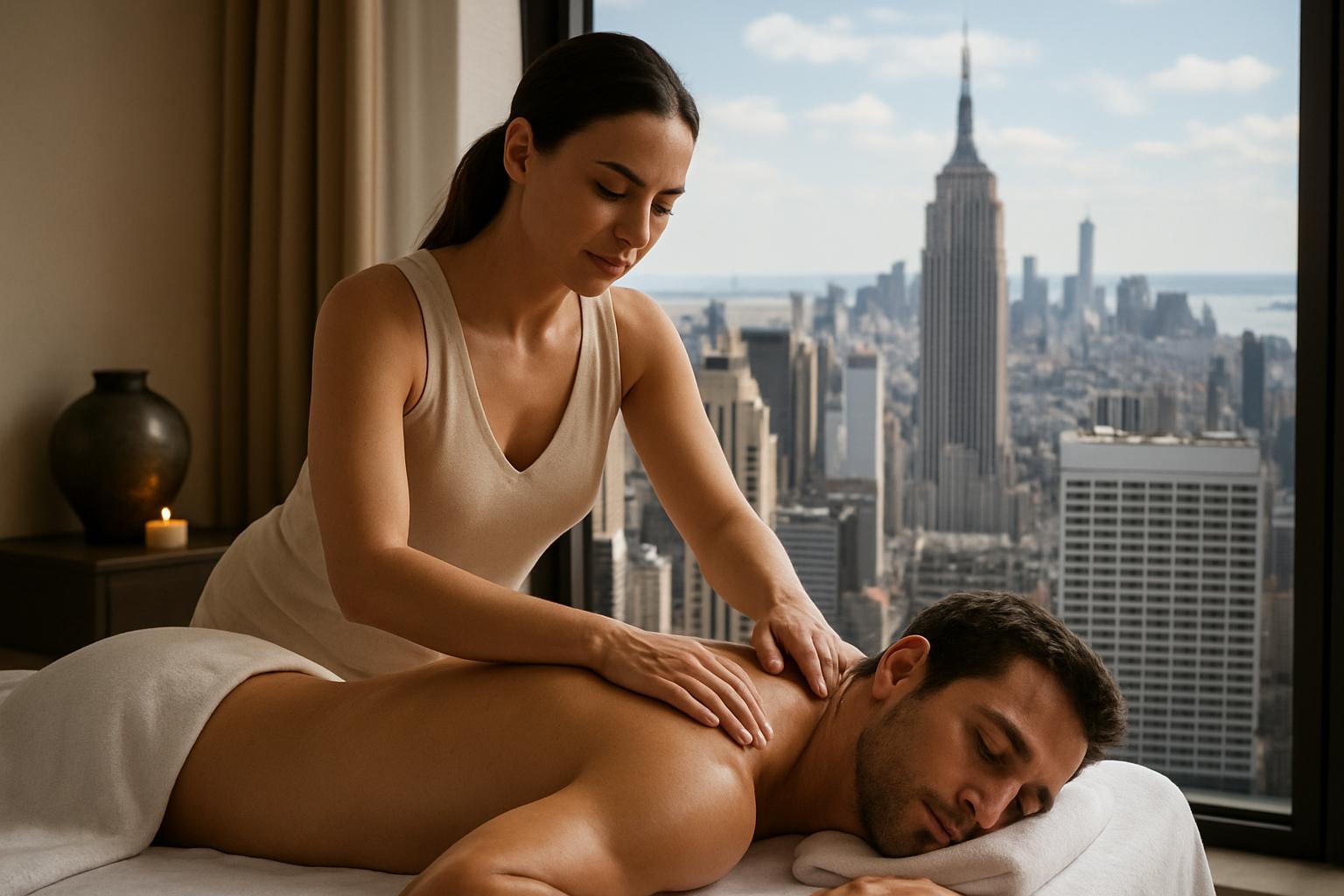
Massage and bodywork can reduce stress, ease muscle tension, improve circulation, and help with recovery after exertion. For chronic pain, regular sessions combined with exercise and ergonomic changes often produce the best results. There are limits: massage isn’t a cure-all. Certain conditions—recent surgeries, blood clotting disorders, uncontrolled high blood pressure, or infectious illness—may make some forms of bodywork inappropriate. When in doubt, check with your primary care provider or a specialist before booking a session.
Booking tools and practical logistics

Use online directories and verified booking platforms to compare reviews, prices, and available times. Many studios post therapist bios so you can match experience to need. If you need in-home service, confirm licensing and insurance, and ask for references. Keep note of cancellation policies; Manhattan therapists often have strict rules because a missed appointment is hard to fill.
Final tips for a great Manhattan body rub experience
- Bring clear goals: reduce neck stiffness, recover after a race, or just unwind—specifics help the therapist.
- Hydrate before and after sessions; it helps clear metabolic byproducts released from tissues.
- Schedule sessions off-peak if you prefer quiet times—weekday mornings or early afternoons are generally calmer than weekend evenings.
- Consider package deals if you plan regular work; many studios offer discounted multi-session bundles.
- Be upfront about medications or medical devices; these can affect suitable techniques.
Conclusion
Finding a quality body rub in Manhattan is a mix of clarity, common sense, and a little local knowledge: know what you want, check credentials and reviews, ask simple questions before you book, and follow basic etiquette and safety rules. Whether you need clinical relief for a chronic ache, a focused sports treatment, or a luxurious escape from the city’s pace, Manhattan’s range of therapists and studios makes it possible to find a session that fits your body and your schedule—just choose deliberately and trust your instincts.