
Outline
- What people mean by a «happy ending» and why the phrase persists
- Legal and regulatory context in New York
- The lived reality for clients and practitioners
- Risks, ethics, and human-rights concerns
- How to choose legitimate, professional bodywork
- Alternatives for intimacy, stress relief, and touch
- Conclusion
What people mean when they say «happy ending»
The term «happy ending» is shorthand in popular culture for a massage that culminates in sexual contact. It’s a phrase loaded with implication: a wink, a rumor, a stereotype. That shorthand hides a lot—history, economics, law, and human stories. For some people it conjures curiosity; for others, embarrassment; for many professionals in the massage industry it’s a nuisance or a threat to their reputation and safety.
Why the phrase persists
Language loves shortcuts. The phrase persists because it lets people talk about a taboo without naming it directly. That makes it useful in gossip, humor, and films. But when matters of consent, legality, and safety are at stake, euphemism becomes dangerous: it obscures who is being harmed and how.
Legal and regulatory landscape in New York
Licensing and professional standards
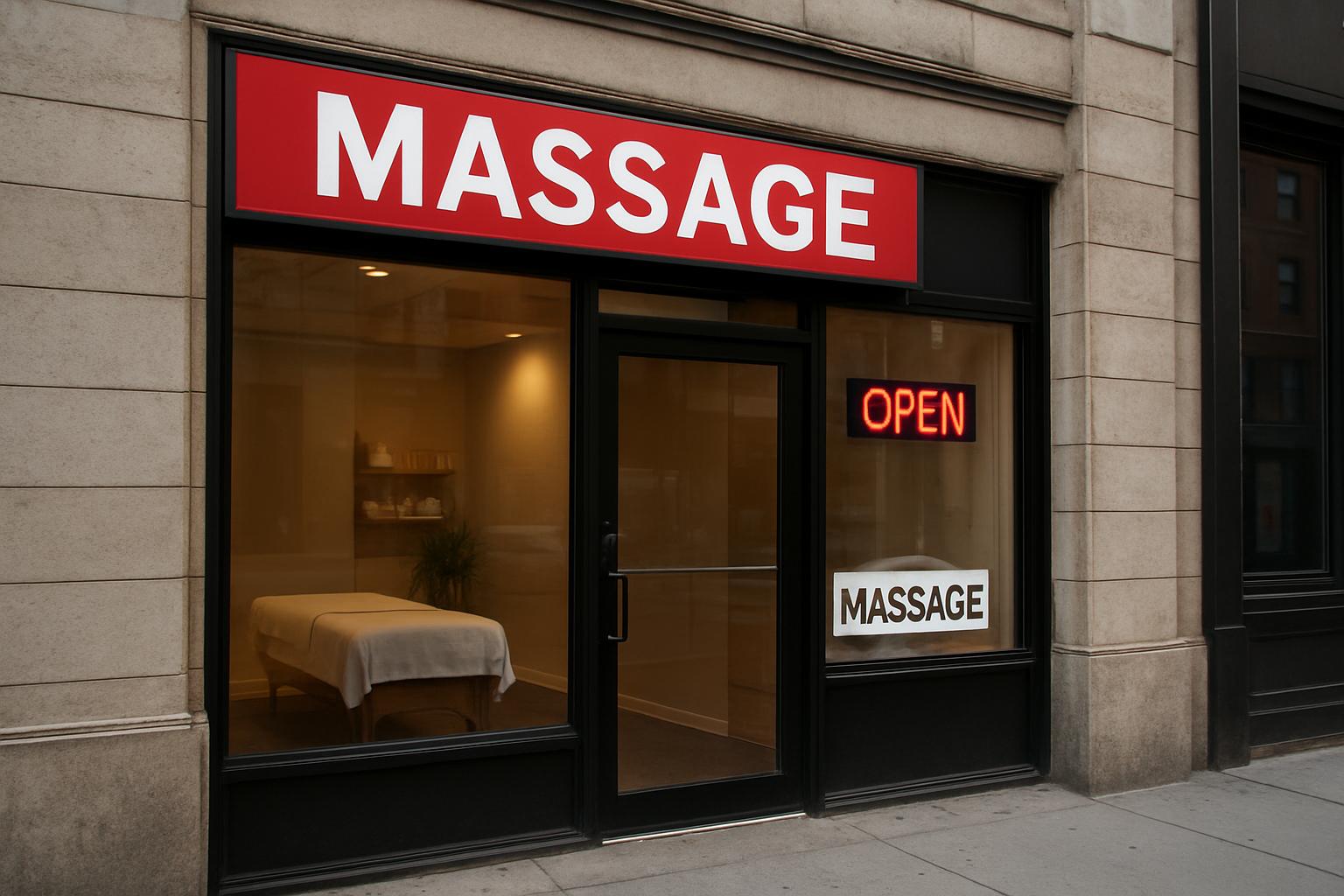
Massage therapy in New York is regulated: legitimate therapists complete specific training, pass examinations, and often register with local or state authorities. These credentials are intended to protect clients by ensuring practitioners know anatomy, hygiene, and professional boundaries. Businesses offering massage services are typically subject to municipal health and zoning rules as well.
Criminal law and enforcement
Sexual services exchanged for money can intersect with criminal statutes. Municipal and state authorities investigate and prosecute prostitution and related offenses; they also pursue cases tied to exploitation or human trafficking. Enforcement can include business closures, arrests, and professional discipline. For clients and practitioners alike, engaging in or soliciting illegal services carries real legal risk.
The industry reality: two parallel worlds
Professional massage clinics
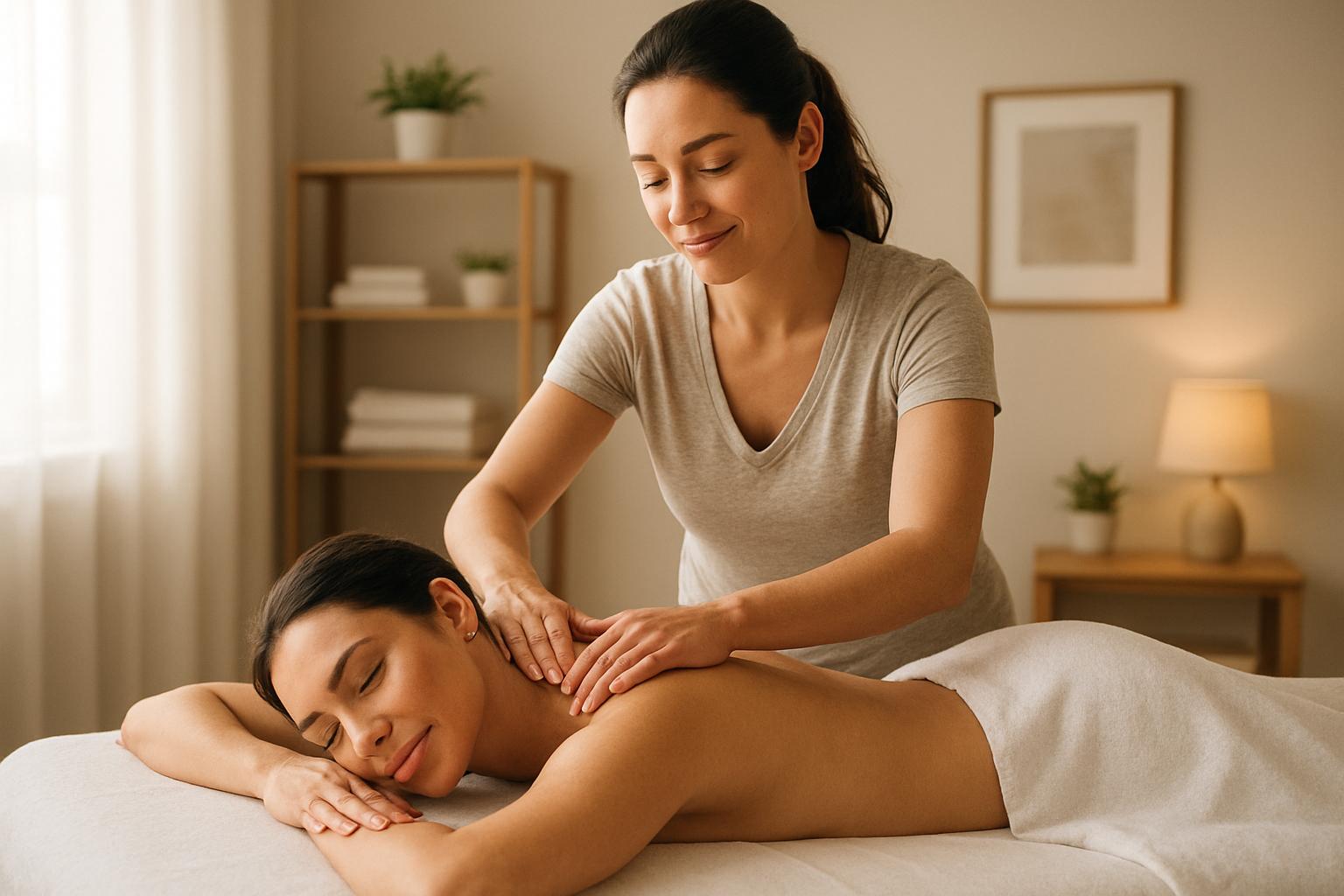
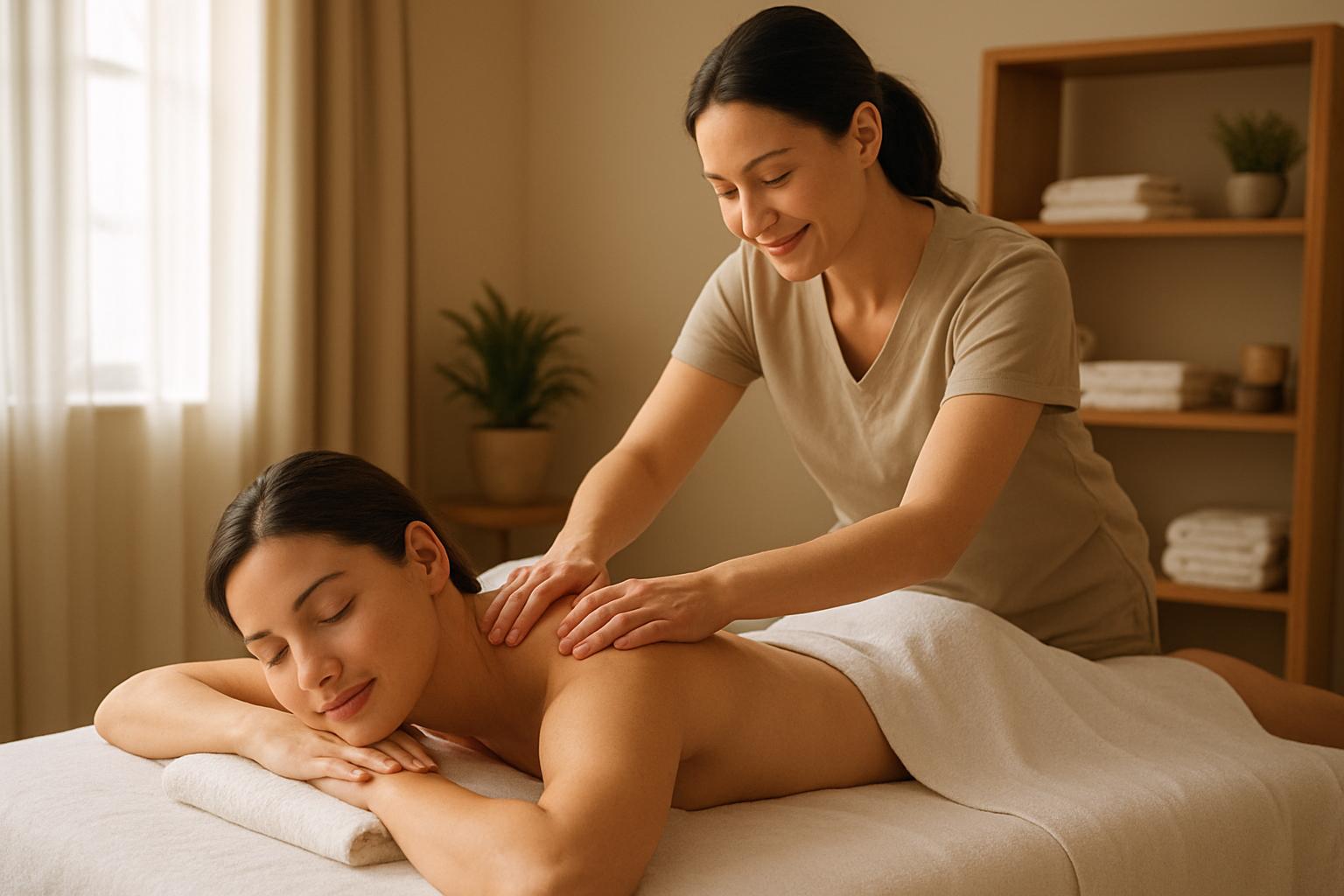
In one corner are clinics, spas, and therapists who focus on therapeutic outcomes: pain relief, stress reduction, and rehabilitation. These spaces emphasize clear intake forms, informed consent, and draping practices that respect privacy and modesty. Therapists in these settings rely on reputation, referrals, and visible credentials.
Illicit operations and the gray market
In the other corner are operations that blur legal, ethical, and safety lines. They may advertise seductively, use coded language, or operate out of noncompliant locations. Some are small-scale, consensual adult exchanges; others are tied to coercion or trafficking. The gray market is unpredictable: it can be unsafe for both clients and workers, and it’s where enforcement attention concentrates.
Brief anecdote
Consider Maya, who moved to New York and wanted a massage after months of desk work. She nearly booked a place that promised «special services» because the price was low and the reviews were glowing. A quick look at the clinic’s credentials and a call to a local licensing body redirected her to a reputable therapist. The session relieved her neck pain; it also spared her the anxiety that comes with stepping into an uncertain and potentially risky situation.
Health, safety, and ethical concerns
- Consent and boundaries: Clear communication and mutual consent are mandatory in professional bodywork.
- STI and personal safety risks: Sexual contact introduces health risks that professional clinics are not designed to manage.
- Exploitation and trafficking: Some workers are trafficked or coerced; buying sexual services can indirectly support abuse.
- Reputation and careers: Association with sexualized services can damage legitimate practitioners’ careers and well-being.
For therapists, the stakes are high. A single false or ambiguous encounter can lead to criminal investigation, loss of license, or personal danger. For clients, the stakes include legal exposure, unexpected encounters with law enforcement, and health vulnerabilities.
How to identify legitimate massage services
When you want therapeutic bodywork—whether for sports recovery, chronic pain, or relaxation—these practical checks protect you and the practitioner.
Red flags to watch for
- Vague or overly sexualized advertising copy (coded wording, suggestive photos).
- No visible credentials or refusal to provide a license number on request.
- Unusual payment methods or requests to pay off the books.
- Requests to undress beyond standard draping norms or any pressure to engage in sexual activity.
- Operating from private residences without appropriate business registration (this is not always illegal, but it increases risk).
What reputable clinics do
- Display licensing and certifications, often on their website and at the reception desk.
- Require intake forms and discuss medical history.
- Explain draping practices and consent for each part of a treatment.
- Offer clear pricing and receipts; accept standard payment methods.
- Have visible safety protocols and a public privacy policy.
Simple table: Licensed therapeutic massage vs illicit sexual services
| Feature | Licensed therapeutic massage | Illicit sexual services (gray market) |
|---|---|---|
| Purpose | Pain relief, rehabilitation, relaxation | Sexual gratification or undisclosed exchanges |
| Practitioner qualifications | Formal training, certification, continuing education | Often unregulated; credentials may be absent or fabricated |
| Operating environment | Registered clinic or licensed spa, public record | Private rooms, coded storefronts, sometimes residential |
| Legality | Legal and regulated | Potentially illegal; subject to enforcement |
| Safety | Standards for hygiene and boundaries | Higher risk for health, legal, and exploitation issues |
Alternatives to seeking sexualized services
If your interest is in intimacy, human touch, or sensual experience, there are lawful and safer avenues to explore:
- Couples’ massage classes or workshops that teach mutual, consensual techniques in a structured setting.
- Professional bodywork forms that incorporate non-sexual sensual elements—such as some forms of Tantra-informed therapy—offered by credentialed practitioners who set clear boundaries.
- Therapeutic touch therapies aimed at emotional regulation and stress relief, like somatic experiencing or trauma-informed massage.
- Communicating openly with a partner about needs and desires; seeking counseling or sex therapy when intimacy issues are involved.
These options prioritize consent, education, and mutual safety, and they reduce the risk of legal or moral entanglement.
What to do if you suspect trafficking or exploitation
If you suspect that a massage business is engaging in coercive or exploitative practices—workers who seem controlled, lack of freedom to leave, visible signs of abuse—report it. In the U.S., the National Human Trafficking Hotline (a confidential service) can be reached to get guidance and report situations. Local law enforcement and municipal licensing authorities can also be notified, but if someone is in immediate danger, call emergency services.
How to report safely
- Do not confront suspected perpetrators directly.
- Record non-identifying details—dates, addresses, visible behaviors—while preserving your safety.
- Use anonymous reporting channels if you fear reprisal.
Practical checklist before booking massage services
- Verify credentials online or ask politely at booking.
- Read reviews critically—watch for patterns rather than single-star or five-star extremes.
- Ask how they handle draping and privacy during the first phone call.
- Confirm payment methods and request a formal receipt.
- Trust your instincts: if something feels off, walk away.
Final thoughts
The phrase «happy ending massage» carries more than a punchline; it points to a tangle of curiosity, commerce, regulation, and harm. In New York—like in many places—the safest choices are informed ones: seek licensed therapists, learn the signs of reputable practice, and avoid situations that blur consent or legality. If your interest is intimacy or sensuality, look for lawful, consensual outlets that honor boundaries; if you suspect exploitation, report it to the appropriate authorities or hotlines. Touch can heal—when it’s offered transparently, professionally, and ethically—and protecting that line benefits everyone involved.
Conclusion
Discussions about «happy ending» services are often shrouded in jokes or secrecy, but the underlying issues are serious: legality, safety, and human dignity. For clients, the wisest course is to choose licensed, professional bodywork and to avoid any situation that pressures consent or skirts the law. For practitioners, maintaining clear boundaries and visible credentials protects both career and personal safety. And for bystanders and neighbors, staying alert to signs of coercion and reporting concerns to trafficking hotlines or local authorities can make a real difference. In a city as large and complex as New York, clear information and thoughtful choices turn an ambiguous phrase into a grounded understanding—and that benefits everyone who seeks or provides genuine care.